Is Pakistan Facing a Rising Internal Security Crisis as TTP Militarises?
Synopsis
Pakistan is alarmed as the Tehreek-e-Taliban Pakistan militarizes, signaling an inevitable rise in terror attacks. With leadership changes and expansion plans, the TTP poses a significant threat to national security. Explore the implications and the challenges ahead for Pakistan.
Key Takeaways
The TTP is expanding its military structure , raising alarms about future terror attacks.
Increased propaganda efforts are aimed at undermining the Pakistan Army.
Changes in leadership highlight the TTP's strategic evolution.
Pakistan's attempts to ally with groups like ISKP reveal its struggle to contain the TTP.
The TTP's strength is projected to escalate, posing a significant threat to national security.
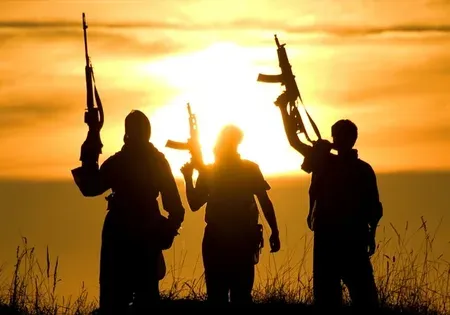
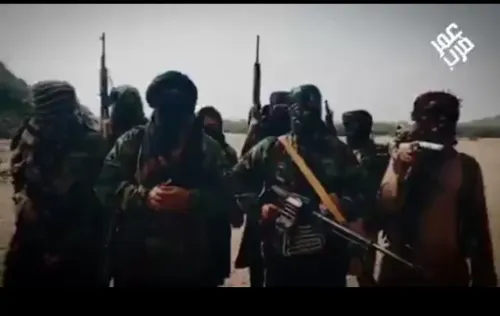
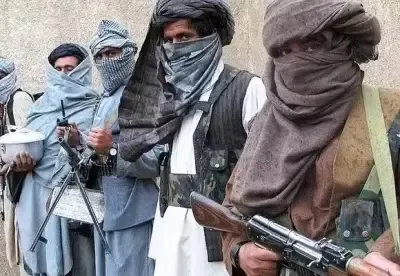
New Delhi, Dec 26 (NationPress) Pakistan is grappling with a new wave of challenges as the Tehreek-e-Taliban Pakistan (TTP) has opted to structure itself like a military organization. This development, which is already underway, raises alarms for Pakistan as an increase in terror incidents is anticipated in the forthcoming year.
Officials from the Intelligence Bureau indicate that the TTP has caused significant harm to the Pakistan Army, with expectations that hostilities will double in the following year. Pakistan continues to struggle to manage the TTP, and the upcoming challenges are likely to escalate.
As part of their expansion strategy, the TTP has bolstered its propaganda efforts, utilizing online platforms to amplify its messages against the Pakistan Army. In November 2022, the TTP terminated its ceasefire with Pakistan, leading to a dramatic rise in attacks across Balochistan and Khyber Pakhtunkhwa (KP).
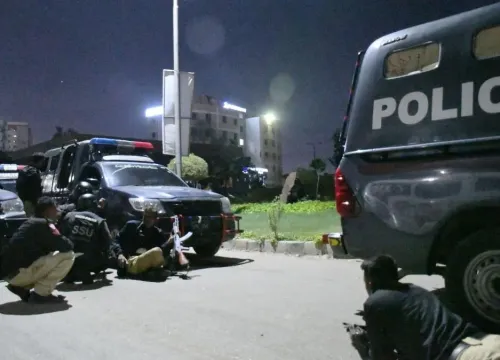
Since the ceasefire's conclusion, the TTP has increasingly targeted both military and law enforcement personnel. Notably, the TTP has extended its administrative reach to include Gilgit-Baltistan. The organization has also undergone leadership changes, appointing Ehsanullah Ipi, the great-grandson of Faqir Ipi, to oversee the Southern Military Zone.
Additionally, Hilal Ghazi has been appointed as the head of the Central Military Zone, with Azmatullah Mehsud leading the political commission, while Maulvi Faqir retains a position on the commission.
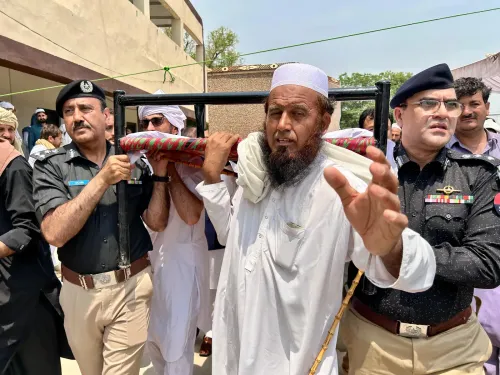
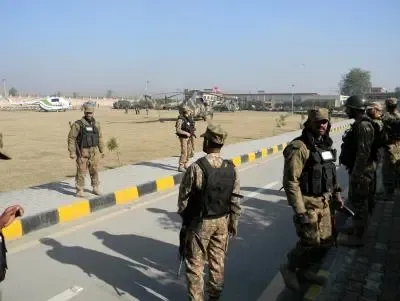
Reports suggest that the TTP is even contemplating the creation of its own Air Force, a plan under discussion that may only materialize by the end of 2026. Earlier this month, a roadside explosion claimed the lives of three Pakistani police officials near the Afghan border, which authorities quickly attributed to the TTP.
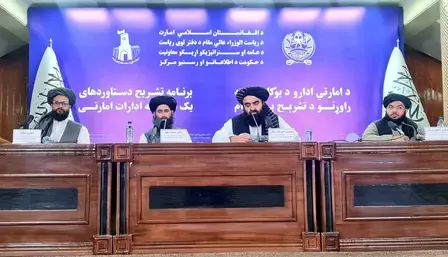
The persistent threat posed by the TTP shows no indications of abating soon, as the group appears determined to undermine the Pakistani establishment. The relationship between the Afghan Taliban and Pakistan has deteriorated significantly, with Pakistan alleging, without evidence, that the Afghan Taliban supports the TTP and allows them to conduct operations from Afghan territory.
Pakistan’s army chief, Field Marshal Asim Munir, has urged the Afghan Taliban to make a choice between siding with the TTP or Pakistan. However, the Taliban contends that the TTP is a matter for Pakistan to resolve.
In response, Pakistan has sought to forge alliances with the Islamic State Khorasan Province (ISKP) and Lashkar-e-Taiba to counter the TTP. While Pakistan hoped this coalition would effectively curtail the TTP, the group shows no signs of retreating. The ISKP has welcomed this partnership, as it seeks Pakistan's support against the Afghan Taliban.
Although the ISKP aims to dislodge the Taliban and gain control over Afghanistan, its efforts have largely been unsuccessful. Many within the Lashkar-e-Taiba, founded by Hafiz Saeed, disapprove of fighting against the TTP or Afghan Taliban, contributing to the slow progress of this alliance.
Experts monitoring Pakistan's situation believe that the TTP is gaining momentum, raising concerns for the Pakistani military. The group is expected to pose a more significant threat in the upcoming year than it has this year.
Point of View
I observe that the rise in TTP's military capabilities presents a significant challenge for Pakistan. The TTP's recent activities indicate a concerning trend that could destabilize the region, emphasizing the need for a robust and strategic response from the authorities.
NationPress
28 Sept 2026
Frequently Asked Questions
What is the Tehreek-e-Taliban Pakistan (TTP)?
The TTP is a militant group in Pakistan that seeks to impose its interpretation of Islamic law and has been responsible for numerous attacks on military and civilian targets.
Why is the recent militarization of the TTP concerning?
The militarization signifies an increase in operational capabilities, suggesting a heightened threat level of terrorism and insurgency in Pakistan.
What impact has the TTP had on Pakistan's security forces?
The TTP has inflicted significant casualties on the Pakistan Army and law enforcement, leading to heightened security concerns across the nation.
How has the TTP changed its strategy recently?
The TTP has expanded its territorial control and strengthened its propaganda efforts, indicating a shift towards a more organized and militaristic approach.
What is the relationship between the TTP and the Afghan Taliban?
Pakistan has accused the Afghan Taliban of supporting the TTP, complicating the security dynamics in the region.