Pakistan Army Plans to Use ISKP for Civilian Targeting Amid Taliban Support
Synopsis
In a significant shift, the ISKP has been directed by the ISI to launch attacks as Afghanistan rallies behind the Taliban against Pakistan. This precarious situation raises urgent concerns about civilian safety and regional stability.
Key Takeaways
ISKP directed to target civilians in Afghanistan.
Support for the Taliban is growing among Afghans.
The Pakistan Army is facing significant challenges despite its advantages.
Ongoing conflict presents opportunities for ISKP to regain influence.
Civilian safety is at high risk amidst the escalating violence.
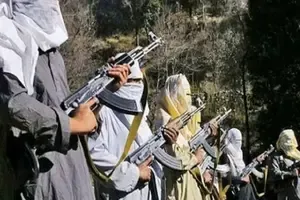
New Delhi, March 4 (NationPress) As Afghan citizens unite behind the Taliban against Pakistan, the Islamic State Khorasan Province (ISKP) has received directives from the ISI to initiate extensive assaults.
Many Afghans, previously opposed to the Taliban, now support the group, perceiving Pakistan's actions as excessively aggressive. They believe that any influence from Islamabad over Afghanistan could lead to their country's ruin.
Given this context, the ISKP is poised to launch large-scale attacks aimed at civilians. The ISI aims to convey a critical message: supporting the Taliban could result in dire consequences for the populace.
An official from the Intelligence Bureau stated that the situation in Afghanistan is being closely monitored, with no end to the conflict in sight. Both the Taliban and the Pakistan Army remain steadfast, with the latter treating the situation as a matter of pride and refusing negotiations, despite the Taliban's calls for dialogue.
Officials indicate that, although the Pakistan Army has technological and manpower advantages, the Taliban continues to pose significant challenges. Both sides have suffered considerable casualties, indicating a fierce struggle.
Counterterrorism analysts emphasize that defeating the Taliban on the ground is not straightforward. The Taliban currently holds a slight advantage in terms of ground presence, which concerns the Pakistan Army. This is why Pakistan seeks the ISKP's involvement, not only to intimidate local populations but also to provide logistical and manpower support.
Although the ISKP has struggled to establish a significant foothold in Afghanistan, it has shown adaptability and ideological resilience.
Desperate to assert its relevance, the ISKP views the current turmoil as a chance for resurgence, especially as statistics reveal a decline in its operational effectiveness.
The ISKP managed only five attacks in 2025, a stark contrast to the 19 it executed in 2024, emphasizing its diminishing influence. This ongoing conflict presents an opportunity for the ISKP to attempt a comeback.
Another source noted that the Taliban's focus is primarily on its conflict with the Pakistan Army, which offers the ISKP a prime opportunity to challenge the Taliban.
The Pakistan Army recognizes that the Taliban's strength lies in its popular support. Thus, instilling fear among the Afghan people and discouraging them from backing the Taliban is crucial, making the ISKP an ideal asset for the Pakistan Army.
Currently, the strategy does not involve direct engagement with the Taliban. Instead, the aim is for the ISKP to conduct strikes, capitalizing on the Taliban's preoccupation with its ongoing battle against the Pakistan Army.
Officials indicate that the Pakistan Army may continually adjust its tactics based on evolving circumstances, potentially employing the ISKP for direct engagement with the Taliban should the need arise.
Point of View
The unfolding events suggest a dangerous escalation in Afghanistan. The ISKP's activities, coupled with the Taliban's current focus on battling the Pakistan Army, could lead to significant civilian casualties and further destabilization. It is imperative to monitor these developments closely.
NationPress
30 Sept 2026
Frequently Asked Questions
What is the role of ISKP in Afghanistan?
The ISKP has been directed by the ISI to carry out attacks, particularly targeting civilians, as part of a strategy to deter support for the Taliban among the Afghan populace.
Why are Afghans supporting the Taliban now?
Afghans, previously opposed to the Taliban, are rallying behind them due to perceptions of Pakistan's aggression and a desire for sovereignty.
How has the conflict impacted civilian safety?
The increased activity of the ISKP and the ongoing conflict between the Taliban and the Pakistan Army pose significant risks to civilian safety in Afghanistan.
What challenges does the Pakistan Army face against the Taliban?
Despite having technological advantages, the Pakistan Army faces substantial resistance from the Taliban, which continues to maintain popular support.
What strategies might the Pakistan Army employ moving forward?
The Pakistan Army may adjust its tactics, potentially using the ISKP for direct engagement with the Taliban if necessary.