Pakistan's Diplomatic Response Lacks Accountability After Fatal Shooting of Citizens by US Security Guards
Synopsis
A shocking report reveals the killing of 12 Pakistani citizens by US Marine Security Guards in Karachi, prompting questions about the Pakistani government's commitment to accountability amidst diplomatic tensions.
Key Takeaways
12 Pakistani citizens were killed by US Marine Security Guards.
The incident occurred amidst protests over the assassination of Khamenei.
Pakistani officials have not held foreign forces accountable.
Questions arise about government priorities and interests.
The silence from the Foreign Office is notable.
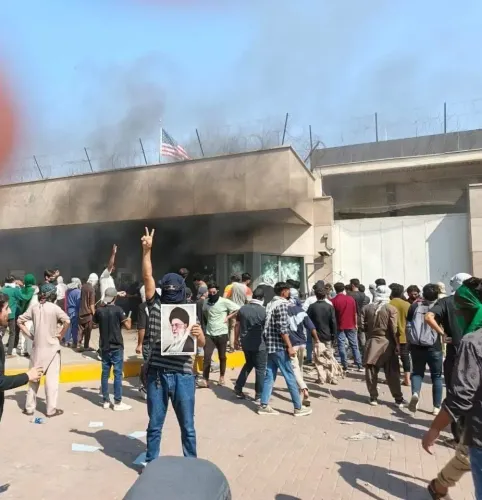
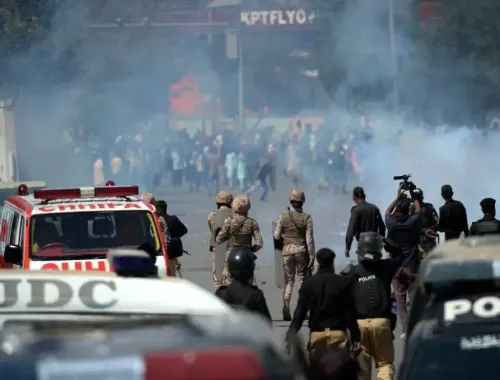
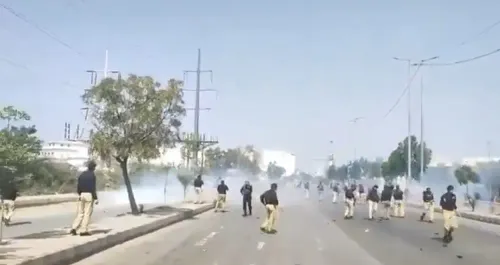
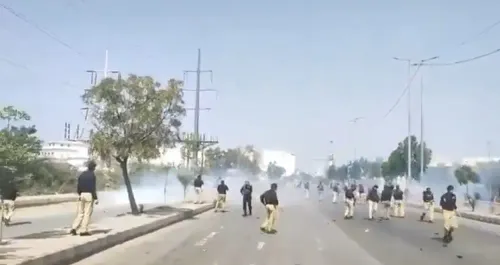
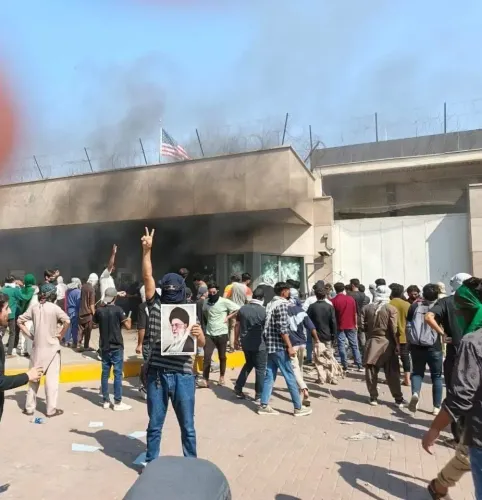
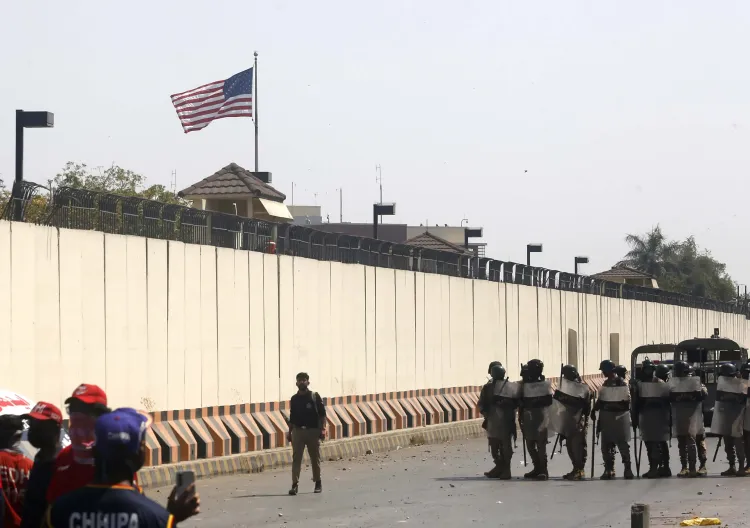
Islamabad, March 2 (NationPress) The tragic loss of at least 12 Pakistani lives in Karachi, caused by Marine Security Guards within the United States Consulate on Mai Kolachi Road, highlights yet another instance of violence on Pakistani soil. According to a report published on Monday, Islamabad appears more focused on managing diplomatic repercussions than seeking justice.
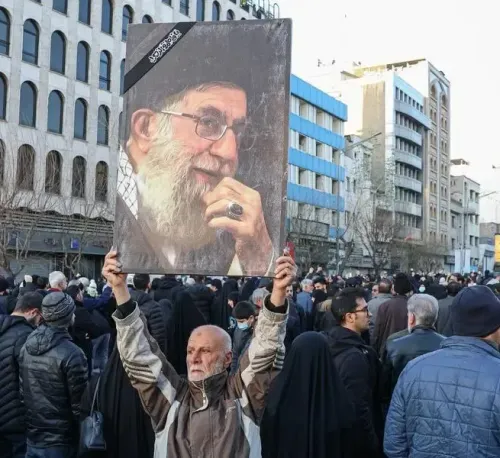
This incident came in the wake of violent protests sparked by the assassination of Iranian Supreme Leader Ayatollah Ali Khamenei during a coordinated US-Israel military action on Sunday.
As reported by the media outlet ‘Brief,’ Pakistan’s Interior Minister Mohsin Naqvi addressed the public without acknowledging the tragic shootings. He labeled the day as a day of mourning for the Muslim Ummah, expressed sorrow over Khamenei's death, and urged citizens to refrain from taking matters into their own hands.
Likewise, the Chief Minister of Sindh, Murad Ali Shah, referred to the Consulate fatalities as “extremely regrettable” and initiated an investigation that is beyond his institutional reach, given that the perpetrators are foreign military personnel shielded by diplomatic immunity. He subsequently dedicated his afternoon to contacting religious leaders to quell public unrest.
In a statement on social media platform X, Pakistani Prime Minister Shehbaz Sharif condemned Khamenei’s killing as a breach of international law while simultaneously expressing concern over damage inflicted by Pakistani protesters on US consulate property.
The report pointed out the absence of any statement from the Pakistani Foreign Office regarding the killings. It noted that no official demarche was made to the US Embassy, and there was no summoning of the ambassador to the Ministry of Foreign Affairs on Islamabad’s Constitution Avenue. No press secretary addressed the media with the urgency the situation warranted: that American military personnel had fatally shot Pakistani citizens on Pakistani land, demanding accountability from the government.
This analysis raises significant questions about the interests served by the authorities when they condemn their own citizens for protesting against the killings of Pakistanis by foreign forces on their territory. The protesters at the Consulate were well aware of this dynamic before they arrived. The deceased were also cognizant, shaped by a lifetime of experience in a system of managed subordination that requires no further explanation. The pain was genuine. The bullets were real. The silence from the Foreign Office is palpable.
Frequently Asked Questions
What happened at the US Consulate in Karachi?
Twelve Pakistani citizens were killed by Marine Security Guards stationed at the US Consulate on Mai Kolachi Road.
How has the Pakistani government responded?
Government officials, including the Interior Minister and Chief Minister, have expressed sorrow but have not pursued accountability for the killings.
What sparked the protests in Karachi?
The protests were ignited by the assassination of Iranian Supreme Leader Ayatollah Ali Khamenei in a US-Israel military strike.
Was there any official statement from the Pakistani Foreign Office?
No, the Pakistani Foreign Office did not release any statement regarding the killings.
What are the implications of this incident?
This incident raises serious concerns about Pakistan's diplomatic stance and the protection of its citizens from foreign military actions.