Pakistan acting as 'messenger not mediator' in West Asia, may seek economic bailout
Synopsis
A new report by The Secretariat punctures Pakistan's peacemaker narrative, arguing Islamabad is functioning as a messenger — not a mediator — in the West Asia crisis, and is simultaneously manoeuvring to extract economic bailouts from Riyadh, Washington, and Beijing. The finding reframes Pakistan's diplomatic activity as fiscally motivated rather than strategically principled.
Key Takeaways
A report by The Secretariat says Pakistan is acting as a 'messenger rather than a mediator' in the West Asia crisis.
Pakistan is allegedly seeking an economic bailout from Riyadh , Washington , and Beijing in exchange for its diplomatic role.
The report credits Saudi Arabia , Egypt , Qatar , Turkey , and Oman as equally significant players in any US-Iran peace process.
Pakistan's CPEC ties with China are flagged as giving Beijing direct access to the Indian Ocean and a platform to test military technology.
Chronic IMF bailout dependence, a narrow tax base, and recurring balance-of-payments crises underpin Pakistan's fiscal vulnerability.
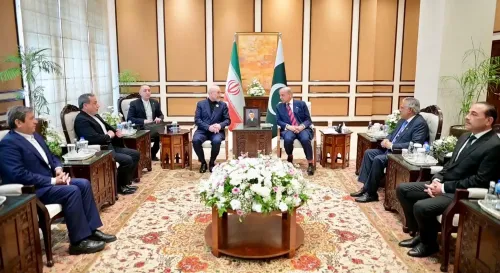
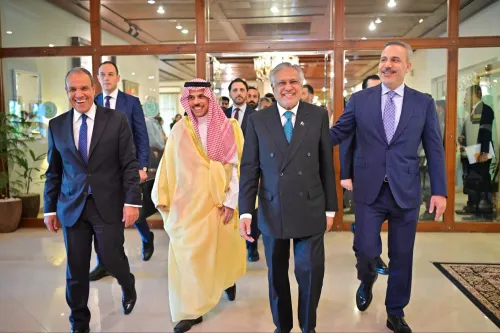
Pakistan's role in diplomatic outreach over the West Asia crisis amounts to that of a 'messenger rather than a mediator,' according to a new report by The Secretariat, which also warned that Islamabad could leverage any perceived peacemaking role to extract a significant economic bailout from its partners.
Key Findings of the Report
The report argues that Pakistan assuming a central mediator role carries considerable risks, citing the country's economic fragility and what it describes as its status as a state that is not a 'modern nation-state in the literal sense.' It alleged that Islamabad would 'demand a huge pound of flesh as an economic bailout, given its fledgling economy.'
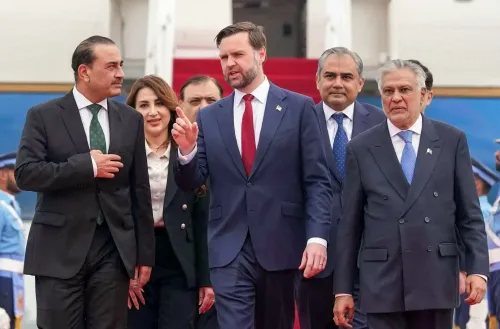
According to the report, Pakistan has already worked out a financial arrangement with Riyadh, while a separate package is reportedly being assembled from Washington. Islamabad is also said to be courting Beijing for additional grants and loans.
The Peacemaker Narrative and Its Limits
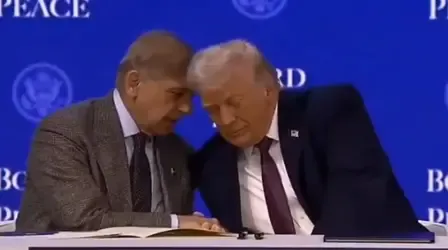
While Pakistan has sought to position itself as a key architect of any peace deal between the US and Iran, the report cautioned that history would recognise the significant contributions of several other regional actors — including Saudi Arabia, Egypt, Qatar, Turkey, and Oman — in any such diplomatic outcome.
The report also challenged Islamabad's broader image-building exercise, asserting that any role as a global peacemaker cannot, in its words, 'absolve its role in creating havoc through cross-border terror and extremism.' Critics have long argued that Pakistan's pursuit of a peacemaker image is partly aimed at deflecting international scrutiny over its alleged support for cross-border militant networks.
Pakistan's Strategic Alignment with China
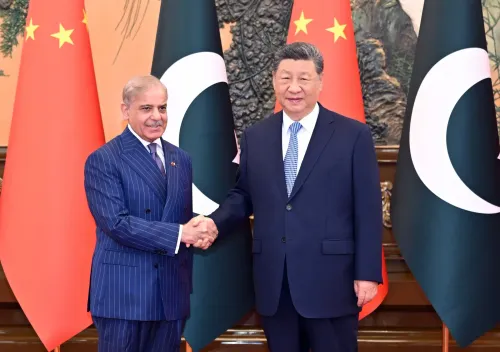
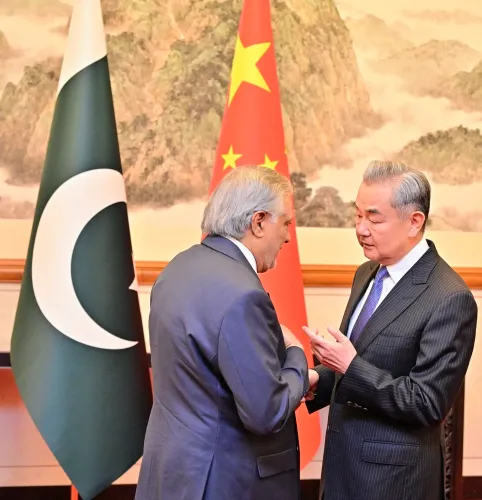
The report flagged Pakistan's deep strategic, military, and economic ties with China, describing Islamabad as a key partner for Beijing's military and geopolitical ambitions in the region. According to the report, China supplies the majority of Pakistan's military hardware and reportedly uses Pakistan as a strategic testing ground for its defence technology.
The China-Pakistan Economic Corridor (CPEC) continues to advance, bolstering Pakistan's energy and transport infrastructure while simultaneously giving China direct access to the Indian Ocean, the report noted. Beijing also provides consistent diplomatic cover to Islamabad, reportedly shielding it from international scrutiny and blocking United Nations (UN) sanctions against Pakistan-based terror operatives.
Economic Vulnerabilities Driving Bailout Calculus
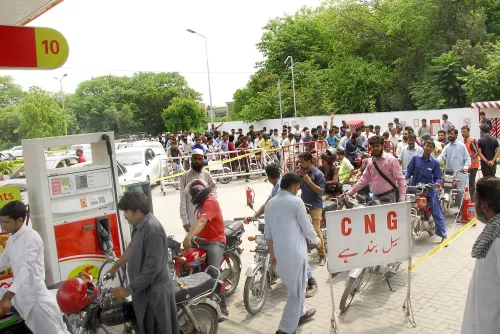
Pakistan's chronic economic fragility underpins much of this analysis. The country suffers from a narrow tax base, heavy import dependence, and recurring balance-of-payments crises — conditions that have forced it into repeated International Monetary Fund (IMF) bailout programmes. This structural vulnerability, the report suggests, shapes Islamabad's diplomatic behaviour: every international engagement becomes, at least in part, a vehicle for securing financial relief.
This is not the first time Pakistan's diplomatic positioning has been scrutinised through an economic lens. Analysts have previously noted a pattern where Islamabad's foreign policy pivots tend to coincide with periods of acute fiscal stress. As the West Asia crisis continues to evolve, the degree to which Pakistan can translate any messenger role into tangible economic concessions will be closely watched.
Point of View
And Beijing's diplomatic shielding of Islamabad at the UN is a direct return on that investment. The peacemaker branding may play well in Islamabad's press releases, but the report is right to ask whether a country simultaneously seeking bailouts from three directions can credibly claim the role of disinterested mediator.
NationPress
22 Sept 2026
Frequently Asked Questions
What role is Pakistan playing in the West Asia crisis?
According to a report by The Secretariat, Pakistan is functioning as a 'messenger rather than a mediator' in the West Asia crisis. It has engaged in diplomatic outreach but is not considered a central or credible mediator, given its economic vulnerabilities and domestic challenges.
Why might Pakistan seek an economic bailout for its diplomatic role?
The report alleges Pakistan is leveraging its involvement in West Asia diplomacy to secure financial concessions from Saudi Arabia, Washington, and China. Pakistan's economy is characterised by a narrow tax base, heavy import dependence, and a history of IMF bailouts, making economic relief a persistent foreign policy objective.
How significant is Pakistan's role compared to other regional players?
The report notes that Saudi Arabia, Egypt, Qatar, Turkey, and Oman have all played significant roles in any potential US-Iran peace process. Pakistan's claim to credit for any diplomatic success is, according to the report, overstated.
What does the report say about Pakistan's ties with China?
The report describes Pakistan as a key partner in China's military and geopolitical ambitions. China reportedly supplies most of Pakistan's military hardware, uses Pakistan as a testing ground for defence technology, and provides diplomatic cover at the UN. The China-Pakistan Economic Corridor (CPEC) also gives Beijing direct access to the Indian Ocean.
Can Pakistan's peacemaker image offset its record on cross-border terrorism?
The report argues it cannot, stating that Pakistan's peacemaking efforts do not 'absolve its role in creating havoc through cross-border terror and extremism.' The image-building exercise is characterised as an attempt to deflect longstanding international criticism.