Pakistan's Role in US-Iran Mediation: A Test of Trust and Ties
Synopsis
Pakistan's aspirations to mediate between the United States and Iran amidst ongoing West Asia conflicts face significant challenges, particularly in balancing its relationships with Tehran and Riyadh. This complicated dynamic raises questions about trust and the feasibility of successful negotiations.
Key Takeaways
Pakistan is attempting to mediate between the US and Iran amidst ongoing regional conflicts.
Challenges arise from trust deficits with Iran and strategic ties with Saudi Arabia.
Iran perceives Pakistan's actions as potentially favorable to the US, complicating trust.
Saudi Arabia expected more direct support from Pakistan during tensions.
Pakistan's military constraints limit its ability to assist Saudi Arabia, affecting diplomatic relations.
New Delhi, March 28 (NationPress) Pakistan has expressed its readiness to act as a mediator between the United States and Iran, aiming to alleviate the ongoing conflicts in West Asia. Islamabad is suggesting a back-channel strategy to facilitate communication between the two nations.
However, Indian officials caution that this initiative may encounter significant obstacles. They argue that while Pakistan seeks to position itself as a peacemaker, it grapples with ongoing tensions along its western border.
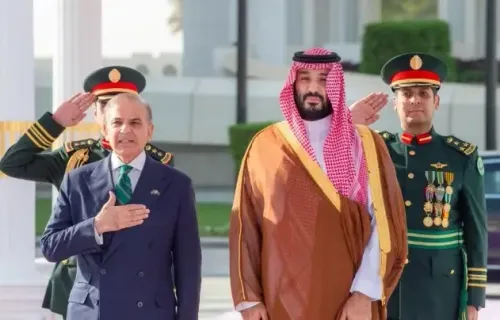
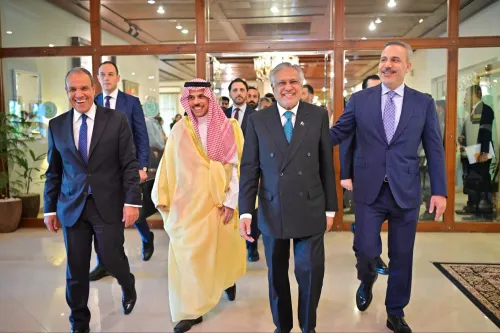
A major complication is the need to maintain a balance in its relationships with both Iran and Saudi Arabia. Iran views both the U.S. and Saudi Arabia as adversaries, while Pakistan has established strong strategic and military ties with Riyadh. A mutual security agreement between Pakistan and Saudi Arabia considers any aggression against one as a collective issue.
Officials note that Iran's trust in Pakistan is diminishing. Tehran suspects that Islamabad has leveraged its goodwill in ways that inadvertently support U.S. interests. This belief has reportedly been intensified by a recent event at the Strait of Hormuz.
Iran has permitted limited passage for vessels from select friendly countries, including Pakistan. Approximately 10 Pakistani ships were allowed to transit the Strait of Hormuz, a coordinated move perceived as indirectly aiding the U.S.
Tehran, however, interprets this situation differently, viewing Pakistan’s involvement as an effort to secure favor with the U.S. while capitalizing on Iranian concessions.
Furthermore, Pakistan faces challenges regarding its relationship with Saudi Arabia. According to their military agreement, Islamabad was expected to support Riyadh against attacks attributed to Iran. Pakistan’s decision to refrain from involvement has raised concerns within Saudi circles, leading the kingdom to seek defense collaboration with Ukraine, a partner with substantial combat experience against Russia and expertise in countering Iranian-manufactured Shahed drones.
Saudi Arabia anticipated Pakistan’s support amid this period of tension. Instead, Islamabad, often accused of harboring terrorist elements, has confined its role to diplomatic channels. An official indicated that Riyadh, which has historically viewed Pakistan as a security ally, feels disappointed as it observes Islamabad prioritizing mediation between the U.S. and Iran over backing an ally.
Saudi Arabia has provided financial aid to Pakistan multiple times in the past, assisting it during economic difficulties. However, recent developments have led to a growing sense of disillusionment among the senior leadership in Saudi Arabia.
Another official noted that Pakistan currently cannot offer military support to Saudi Arabia due to its forces being engaged in operations against the Afghan Taliban, the Tehreek-e-Taliban Pakistan (TTP), and the Balochistan Liberation Army (BLA). The ongoing military pressures have restricted its capacity to provide deployments or aerial support to Saudi Arabia.
With evolving dynamics affecting its relationships with both Saudi Arabia and Iran, Indian diplomats assert that Pakistan may struggle to facilitate a peace agreement. They emphasize that successful negotiations heavily rely on trust, and any doubts from either party could hinder progress towards a resolution.
On the issue of Saudi Arabia, Pakistan has refrained from taking a definitive stance, a position that has reportedly frustrated Crown Prince Mohammed bin Salman. Conversely, Iran perceives Islamabad as having utilized its goodwill in ways that benefit the U.S., which it views as a rival.
Analysts suggest that Pakistan’s approach seems less focused on genuine mediation and more on projecting itself as a champion of global peace while attempting to derive maximum advantages from both Iran and the U.S.
Point of View
Pakistan's mediation efforts between the U.S. and Iran highlight a complex interplay of regional alliances and trust dynamics. While aspirations for peace are commendable, the significant challenges posed by existing tensions and strategic partnerships must not be overlooked.
NationPress
10 Oct 2026
Frequently Asked Questions
What is Pakistan's role in mediating between the US and Iran?
Pakistan aims to facilitate communication between the US and Iran through a back-channel approach, seeking to ease conflicts in West Asia.
Why is there a trust deficit between Iran and Pakistan?
Iran suspects that Pakistan has leveraged its goodwill in ways that ultimately support U.S. interests, leading to growing mistrust.
How does Pakistan's relationship with Saudi Arabia affect its mediation efforts?
Pakistan's close ties with Saudi Arabia complicate its position as a mediator, as it must balance these relationships amidst regional tensions.
What has been Saudi Arabia's response to Pakistan's diplomatic approach?
Saudi Arabia is reportedly disappointed with Pakistan's limited involvement and is exploring defense partnerships with other nations.
Can Pakistan successfully mediate between the US and Iran?
Despite its intentions, significant trust issues and regional dynamics may hinder Pakistan's ability to broker peace effectively.