Concerns Arise Over Pakistan's Military Commitment to Saudi Arabia Amid Regional Tensions
Synopsis
As Iran's recent attacks on Saudi Arabia escalate tensions in West Asia, Pakistan's reluctance to send military forces raises important questions about its defence pact with Riyadh and the implications for regional stability.
Key Takeaways
Pakistan's military commitment to Saudi Arabia is in question.
The Strategic Mutual Defence Agreement faces practical scrutiny.
Security priorities along the Afghan border influence Islamabad's decisions.
Regional actors are reassessing the credibility of strategic alliances.
Diplomatic efforts may take precedence over military solutions.
Madrid, March 31 (NationPress) In light of the recent assaults on Saudi Arabia by Iran, Islamabad's lack of significant military deployment to assist Riyadh under their mutual defence agreement has raised eyebrows in diplomatic circles. This situation has cast doubts on the effectiveness and conditions of the pact between Pakistan and Saudi Arabia, according to a report released on Tuesday.
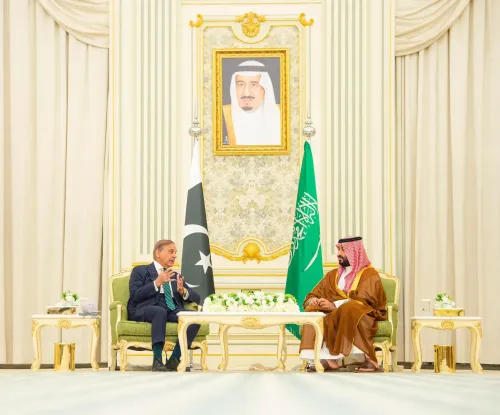
"Recently, Pakistan and Saudi Arabia formalized a Strategic Mutual Defence Agreement, which serves to strengthen their enduring military collaboration. The agreement specifies that if either side faces an external threat, the other is obligated to provide military assistance as resources permit. However, the ongoing crisis has underscored the intricate nature of these strategic commitments," stated Fatima El Hashimi, a Moroccan researcher and journalist, in the Spain-based media outlet 'Atalayar'.
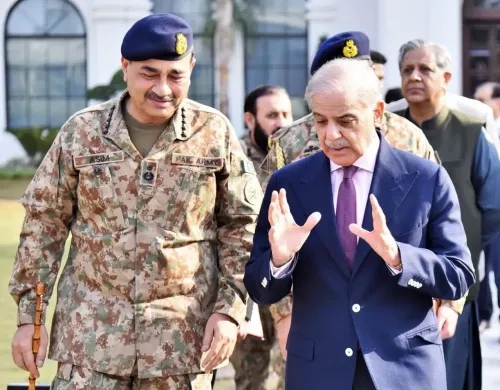
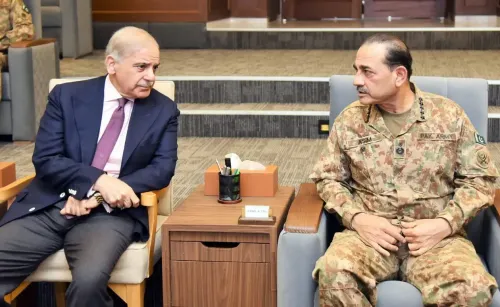
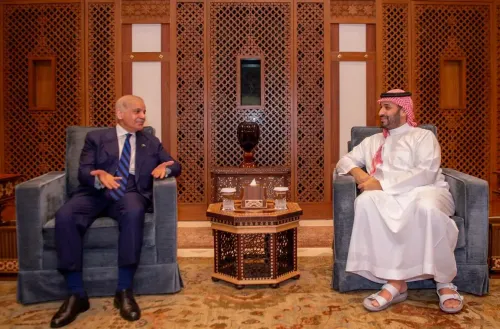
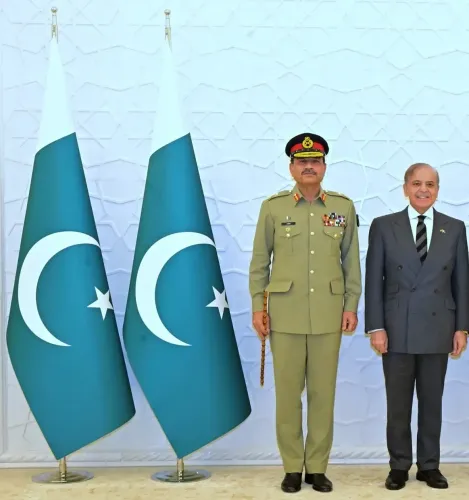
Fatima noted that the Pakistani Army Chief, Asim Munir, communicated directly with Saudi Crown Prince Mohammed bin Salman, indicating that Pakistan is currently unable to send troops to Saudi Arabia, as its primary concern remains securing the Afghan border.
Diplomatic sources suggest that Riyadh is vigilantly monitoring developments along the border. Some Saudi officials interpret the escalating military activities as evidence that Pakistan may have limited capacity or willingness for external military involvement, particularly as Riyadh faces its own security challenges.
This incident reflects a long-established trend recognized by Pakistani foreign policy analysts: "Islamabad adeptly balances its alliances to optimize economic, military, and diplomatic gains."
"From the Cold War era to the current war on terror, Pakistan has sustained strategic relationships with the United States, China, and Gulf monarchies, positioning itself as an essential partner while remaining guided by its own interests," the report added.
The present circumstances highlight a fundamental challenge associated with strategic defence alliances, wherein commitments are evaluated not merely by the terms of agreements but by actual capabilities during crises.
While Saudi Arabia seeks concrete military backing, Pakistan is focusing on mediation and diplomatic efforts—an approach that diverges from the original expectations of the pact.
"Pakistan's renewed military emphasis on the Afghan border has attracted international attention. Analysts are questioning whether this escalation is motivated purely by security needs or if it also reflects broader geopolitical considerations. For Saudi Arabia and other regional stakeholders, this situation prompts a reassessment of the reliability and extent of strategic alliances amid growing uncertainties," the report concluded.
The report also raised questions about whether Pakistan's commitments to its allies facing genuine threats are constrained by its military capabilities or if they are influenced by a "strategic political judgement" about when and with whom to engage.
Point of View
Pakistan's cautious approach towards military commitments is guided by its national priorities, especially regarding security along the Afghan border. This strategic balancing act highlights the complexities of international alliances and their real-world implications.
NationPress
22 Sept 2026
Frequently Asked Questions
Why is Pakistan not deploying military forces to Saudi Arabia?
Pakistan has prioritized its security concerns along the Afghan border, which has influenced its decision to refrain from deploying significant military resources to Saudi Arabia despite the ongoing crisis.
What does the Strategic Mutual Defence Agreement entail?
The agreement stipulates mutual military support in the event either country faces an external threat, but its practical application is under scrutiny due to current circumstances.
How are Saudi officials reacting to Pakistan's inaction?
Some Saudi officials perceive Pakistan's limited military deployment as a sign of either constrained capacity or a reluctance for external intervention during Riyadh's security challenges.
What historical patterns are reflected in Pakistan's foreign policy?
Pakistan has a long-standing tradition of balancing its alliances to maximize benefits, maintaining relationships with major powers while prioritizing its national interests.
What are the implications of this situation for regional security?
This situation raises critical questions about the reliability of military alliances and the effectiveness of commitments during crises, affecting perceptions of security in the region.