Nadda Urges Cancer Screening on Awareness Day
Synopsis
On National Cancer Awareness Day, Union Health Minister J. P. Nadda urged Indians to screen for oral, breast and cervical cancers, avoid tobacco and alcohol, and visit Ayushman Arogya Mandirs — linking early detection to the broader Ayushman Bharat NCD framework.
Key Takeaways
Union Health Minister J.
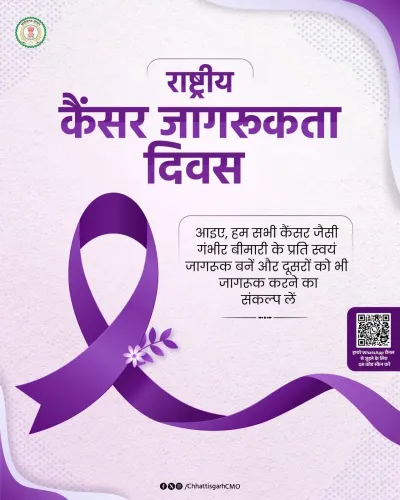
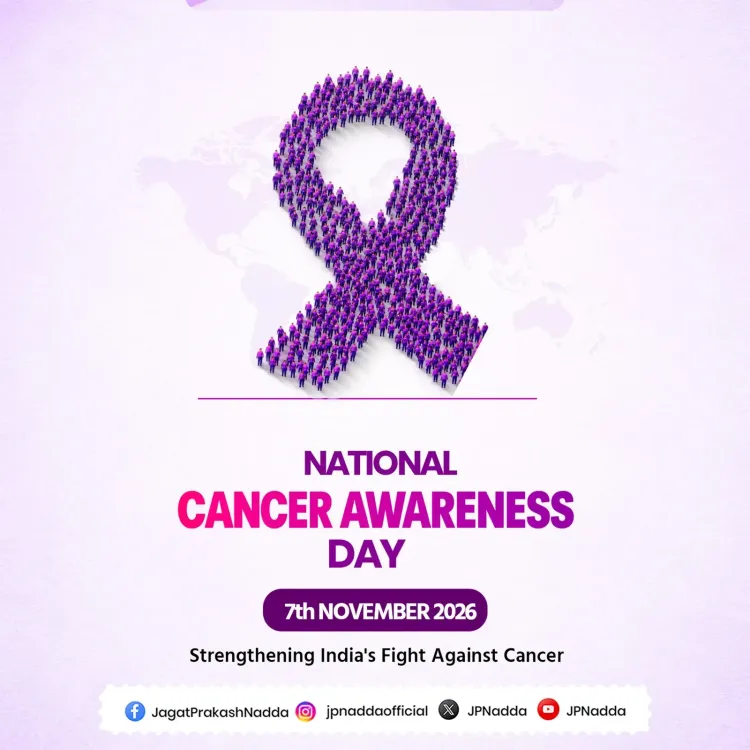
Nadda posted a cancer awareness call on 7 November 2026 , National Cancer Awareness Day.
He specifically urged screening for oral, breast and cervical cancers — the three priority cancers under India's national programme.
Citizens were directed to visit their nearest Ayushman Arogya Mandir or health facility for cancer screening information.
Lifestyle advice included avoiding tobacco and alcohol , exercising regularly, eating a healthy diet and seeking medical advice for persistent symptoms.
Ayushman Arogya Mandirs are community-level wellness centres born from the Ayushman Bharat initiative launched in 2018 .
The message extends the decade-long NP-NCD programme which since 2010 has anchored India's non-communicable disease prevention strategy.
India's cancer burden is growing — and catching it early is the single most powerful weapon against it. On National Cancer Awareness Day, 7 November 2026, Union Health Minister J. P. Nadda issued a direct, urgent call to every citizen: get screened, change your habits, and do not ignore your body's warnings.
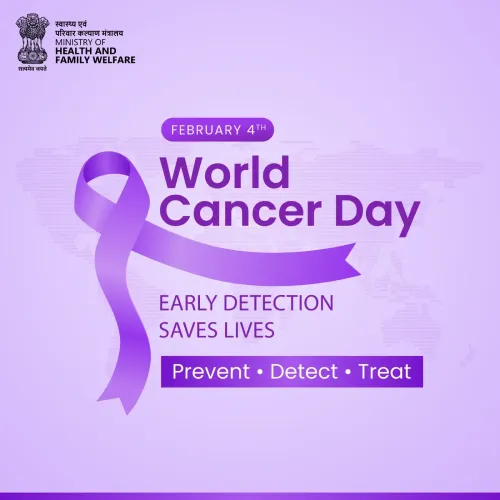
Posting on X, Nadda framed the message around a simple, non-negotiable truth: 'Early Detection Saves Lives.' He urged the public to screen for oral, breast and cervical cancers — the three cancers most targeted by India's national programme — and to visit their nearest Ayushman Arogya Mandir or health facility for information and access. 'I urge everyone to avoid tobacco, alcohol, exercise regularly, eat a healthy diet and seek medical advice for unusual or persistent symptoms,' he wrote, invoking Prime Minister Narendra Modi's leadership as the policy anchor for expanded screening access.
What Ayushman Arogya Mandirs Are Built to Do
Ayushman Arogya Mandirs are the community-level arm of India's landmark Ayushman Bharat initiative, launched in 2018 to transform sub-centres and primary health centres into full-service wellness hubs. The strategic bet was deliberate: shift NCD screening — historically confined to tertiary hospitals — directly into neighbourhoods, where patients are most likely to show up before symptoms become catastrophic.
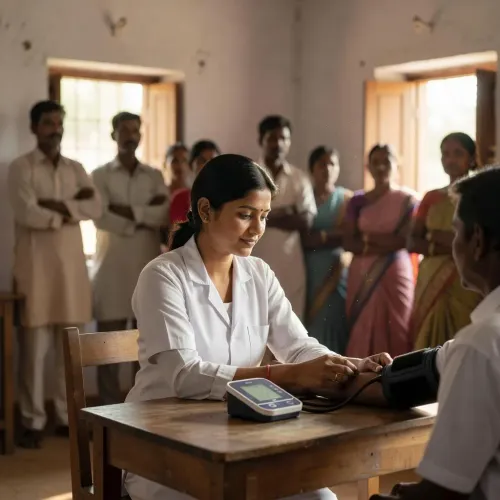
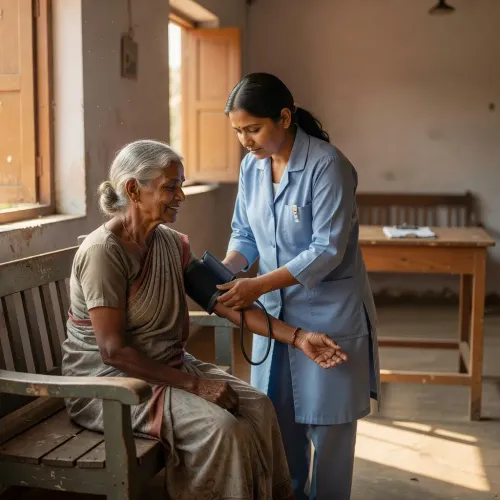
These centres are mandated to screen for a range of non-communicable diseases, including oral, breast and cervical cancers, bringing early detection within reach for millions who would otherwise never access a specialist. Nadda's call to 'visit your nearest Ayushman Arogya Mandir' is not ceremonial — it is a policy directive pointing citizens to infrastructure that already exists and is waiting to be used.
India's NCD Programme: From 2010 to Today
The public-health architecture behind today's message stretches back to 2010, when the government rolled out the National Programme for Prevention and Control of Cancer, Diabetes, Cardiovascular Diseases and Stroke (NPCDCS). Expanded and re-branded as NP-NCD, the programme has anchored lifestyle messaging — on tobacco, alcohol, diet and exercise — across public campaigns for over a decade.
The consistency of that message is itself significant. India's cancer challenge is not primarily about cutting-edge treatment; it is about catching disease early enough that treatment works. That is why National Cancer Awareness Day exists, and why the minister's post leans so hard on the word 'timely.'
Three Cancers, One Directive
Oral, breast and cervical cancers are singled out for good reason: all three have well-established, low-cost screening pathways, and all three are significantly more survivable when detected before Stage III or IV. Tobacco use remains the leading driver of oral cancers in India; cervical cancer is linked to HPV, preventable through vaccination and detectable through routine screening; breast cancer incidence is rising in both urban and rural populations.
The minister's lifestyle checklist — no tobacco, no alcohol, regular exercise, a healthy diet — targets the modifiable risk factors that cut across all three. It is a blunt, evidence-based inventory, not a platitude.
Point of View
It will validate the decade-long architecture from NPCDCS to NP-NCD; if it does not, the ministry faces pressure to explain the gap between infrastructure built and citizens served.
NationPress
7 Nov 2026
Frequently Asked Questions
What is National Cancer Awareness Day and when is it observed?
National Cancer Awareness Day is observed every year on 7 November in India to promote cancer prevention, early detection and timely screening.
Which cancers did J. P. Nadda urge people to screen for?
Nadda specifically urged screening for oral, breast and cervical cancers , the three most targeted under India's national cancer prevention programme.
Where can I get free cancer screening in India?
You can visit your nearest Ayushman Arogya Mandir or government health facility; these centres under the Ayushman Bharat initiative offer NCD screening including for oral, breast and cervical cancers.
What is the Ayushman Arogya Mandir and what does it do?
Ayushman Arogya Mandirs are rebranded primary health and wellness centres launched under the Ayushman Bharat initiative in 2018 to bring screening for non-communicable diseases, including cancers, to the community level.
What lifestyle changes reduce cancer risk according to the Health Minister?
Nadda recommended avoiding tobacco and alcohol , exercising regularly, eating a healthy diet and consulting a doctor for any unusual or persistent symptoms.