Will the Pakistan-Saudi Defence Pact Lead to Regional Instability?
Synopsis
As Pakistan and Saudi Arabia forge a new security pact, concerns arise over the potential for Islamabad to export instability and crises. This article delves into the implications of this partnership, highlighting the risks of internal power struggles influencing regional stability.
Key Takeaways
New Security Alliance: Pakistan and Saudi Arabia's pact aims for mutual military support.
Internal Challenges: Pakistan's internal crises may spill over into regional dynamics.
Military Influence: The role of the Pakistani military in politics complicates decision-making.
Arms Exports: Islamabad's weapon deals raise concerns about international norms.
Geopolitical Implications: The pact could redefine security alliances in the region.
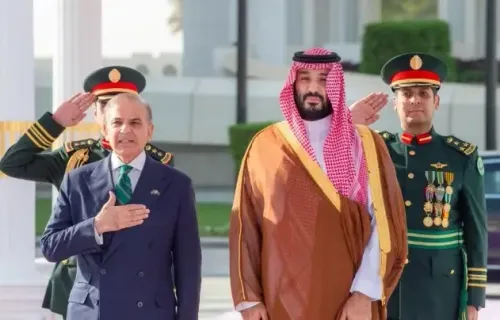
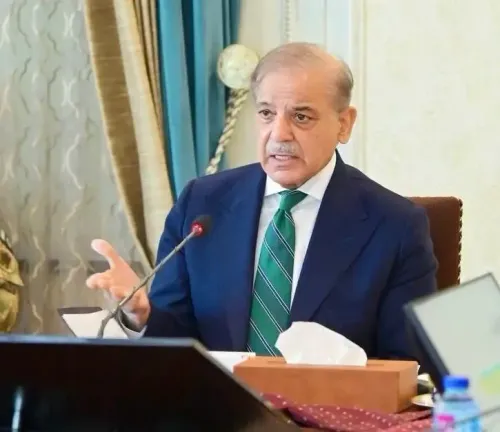
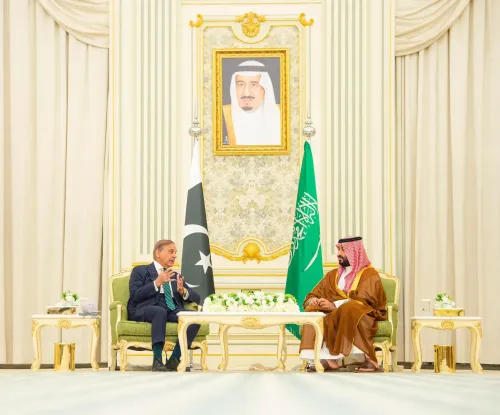
On January 10, Washington (NationPress) emphasized the emergence of a new security alliance between Pakistan and Saudi Arabia, revealing concerns that Islamabad might not only deepen military collaboration but also export instability and crises arising from internal power struggles.
In September, Pakistan and Saudi Arabia allegedly finalized a strategic mutual defence agreement, committing to assist each other in the event of aggression from any third party.
However, this evolving security partnership—potentially involving a nuclear deterrent for Riyadh—demonstrates the mercenary approach of Islamabad’s foreign policy, according to Natiq Malikzada, a journalist and human rights advocate from Afghanistan, in an article for the Washington-based publication 'The National Interest'.
“Should Pakistan leverage its nuclear strategy as a bargaining chip for regional influence, it could trigger repercussions that spiral beyond its control. A nation positioned as a security guarantor typically requires stability and a robust governance structure, characteristics that Pakistan currently lacks. Consequently, its ongoing internal turmoil has become a pressing regional concern,” the analyst emphasized.
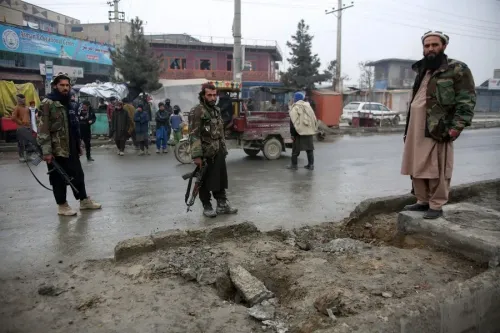
“For years, Pakistan has been plagued by violence and insurgency, particularly from Islamist groups it once aided for temporary political gains in Afghanistan but lost control over. Now promoting itself as a regional security provider—especially in the nuclear domain—amid these internal fractures, Pakistan risks exporting the uncertainty and crises born from its internal power dynamics,” Malikzada stated.
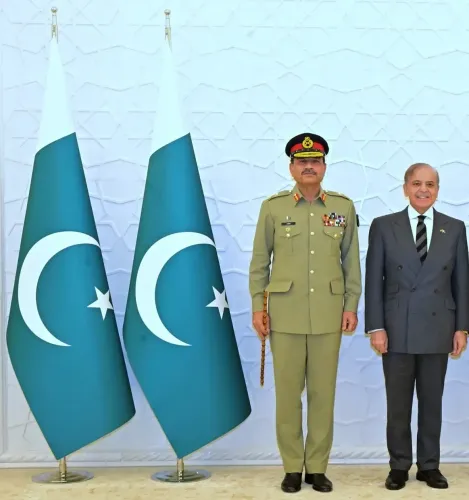
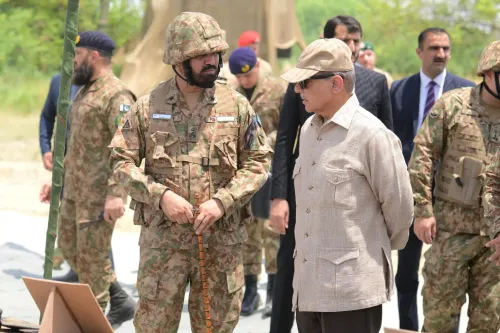
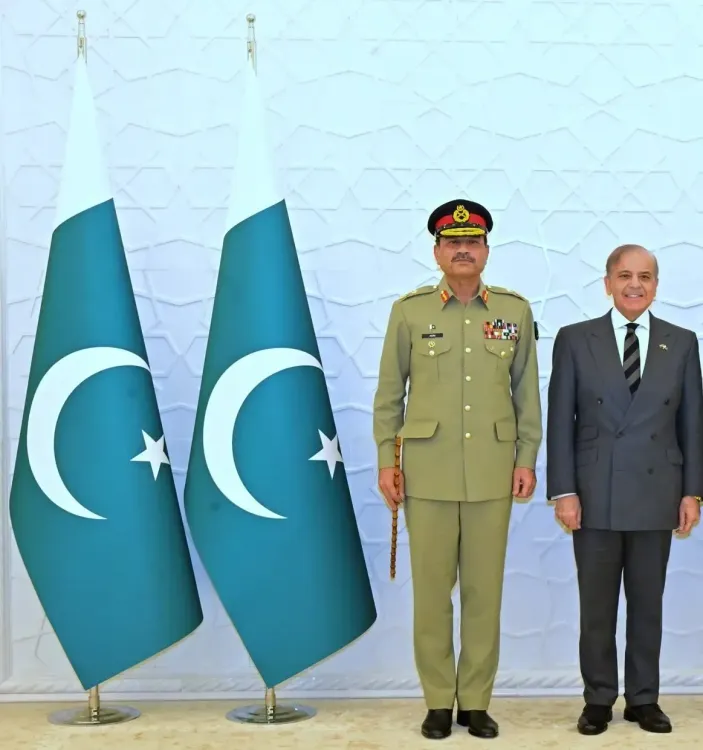
'The National Interest' outlines the ambition of Pakistani military leaders not only to make Saudi Arabia somewhat reliant on Islamabad but also to position their generals as protectors of a broader Islamic security framework.
However, Malikzada raised a critical question: in a future crisis, which country will take charge?
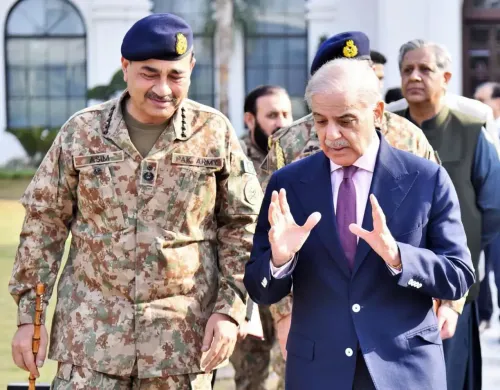
“In Pakistan, while the Prime Minister and his cabinet nominally hold decision-making power, it is widely recognized that the military exerts significant influence over politics and can unseat civilian leaders at will. When few individuals wield authority over crucial security decisions, the potential for crisis escalation increases, and diplomatic efforts diminish. Under such circumstances, even minor incidents can escalate into significant challenges, as unelected officials often fear that showing restraint might be perceived as weakness, both domestically and internationally,” he noted.
With reports of Pakistan entering a weapons agreement with Libya, the author suggests that Islamabad's diplomatic maneuvers extend beyond recognized governments in the Middle East and Central Asia.
“Despite the clear violation of the UN arms embargo by Pakistan’s arms transactions, Islamabad seems unperturbed, indicating a readiness to utilize arms exports as a tool for geopolitical leverage, regardless of the recipient,” the author observed.
Point of View
It is crucial to recognize the delicate balance of regional security dynamics. While Pakistan seeks to assert itself as a key player, the potential for internal crises to influence external relations must be carefully monitored to avoid further destabilization in the region.
NationPress
13 Oct 2026
Frequently Asked Questions
What is the significance of the Pakistan-Saudi defence pact?
The Pakistan-Saudi defence pact signifies a commitment to mutual support in the face of external aggression, but it raises concerns about Islamabad's internal instability potentially impacting regional security.
How might this pact affect regional stability?
The pact could exacerbate regional instability if Pakistan's internal power struggles lead to unpredictable military actions or decisions that affect neighboring countries.
Are there historical precedents for this type of military cooperation?
Yes, similar alliances have been formed in the past, often resulting in complex geopolitical ramifications, especially when internal conflicts influence external policies.