10th Deepotsav in Ayodhya: CM Yogi calls for Ram Rajya, welcomes VP Radhakrishnan
Synopsis
Ayodhya's Deepotsav turns ten — and CM Yogi Adityanath has used the milestone to frame the festival not just as a spiritual spectacle but as a vision of governance. With Vice-President C.P. Radhakrishnan and diplomats from friendly nations in attendance, the 10th edition signals Deepotsav's evolution from a state event into a marker of India's cultural diplomacy.
Key Takeaways
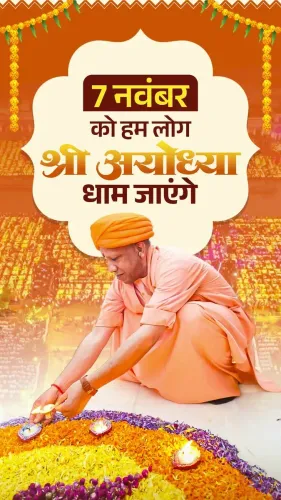
CM Yogi Adityanath marked the 10th Deepotsav in Ayodhya on 7 November 2026 , calling it a golden chapter in India's cultural revival.
Yogi called for Ram Rajya — a vision where development reaches the most deprived sections of society.
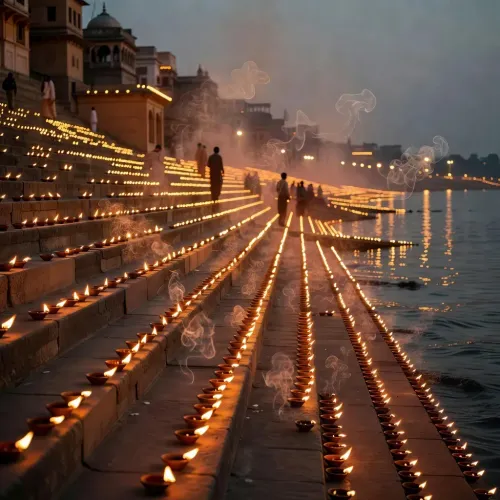
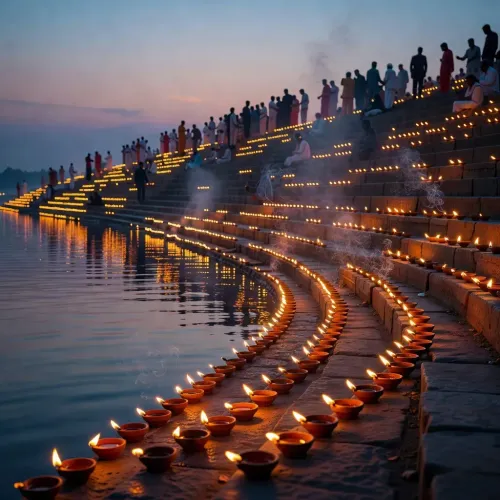
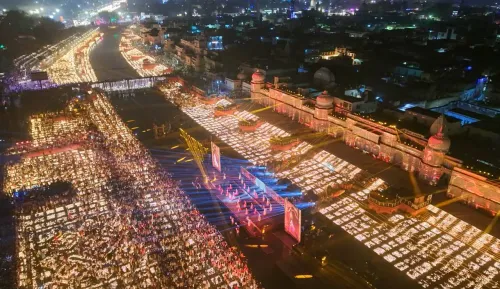
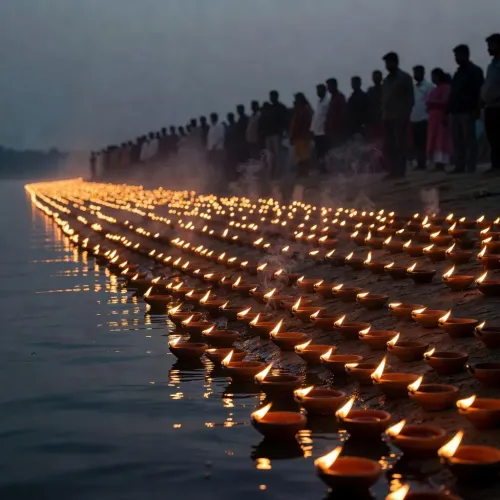
Lakhs of lamps were illuminated at Ram Ki Paidi on the banks of the Saryu .
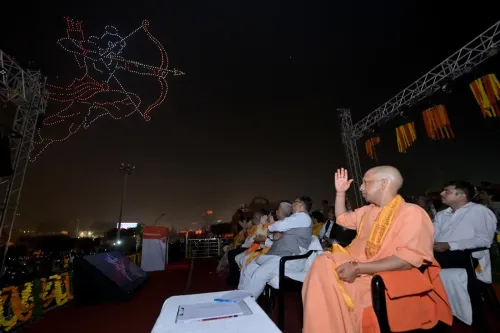
Radhakrishnan attended, alongside ambassadors, diplomats, and saints from India and abroad.
The Deepotsav tradition was started in 2017 and has since grown into a globally recognised cultural event.
Yogi appealed to citizens to light lamps at home in solidarity with the Ram Janmabhoomi celebrations.
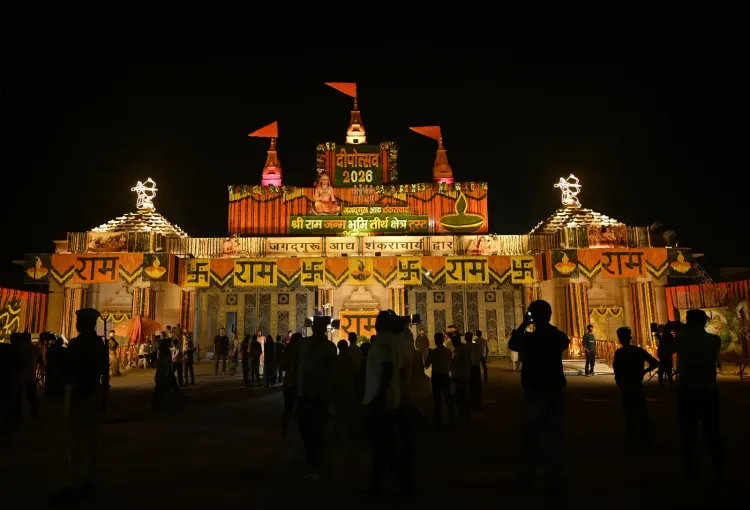
Uttar Pradesh Chief Minister Yogi Adityanath on Saturday, 7 November 2026, marked the 10th edition of Deepotsav in Ayodhya with a series of heartfelt messages, calling the decade-long celebration a transformative chapter in the revival of India's cultural identity and spiritual heritage. Speaking on the occasion, Yogi said the resolve kindled on the banks of the sacred Saryu in 2017 had now elevated India's cultural prestige on the global stage.
A Decade of Deepotsav: More Than Lamps and Records
The Chief Minister described the grand event as far more than the lighting of lamps or the setting of world records. According to Yogi, Deepotsav represents 'a golden chapter in the revival of the glory of Lord Shri Ram's city from the Treta Yuga, the renaissance of Sanatan culture, and the restoration of the nation's self-respect.' He said the hundreds of thousands of lamps illuminated at Ram Ki Paidi had spread a message of faith, social uplift, empowerment of marginalised communities, and local self-reliance.
Posting on social media platform X, Yogi noted that the decade-long journey of Deepotsav had transformed a centuries-old wait into a magnificent reality, restoring Ayodhya to its rightful place while reaffirming its cultural identity.
Call for Ram Rajya: Development Reaching the Last Person
In a pointed political and spiritual appeal, the Chief Minister urged citizens to incorporate the ideals of Lord Shri Ram into their daily lives and work towards establishing Ram Rajya — a vision of governance where the benefits of development reach the most deprived sections of society. 'Let us build a Ram Rajya where the light of development reaches the lives of those at the very bottom of society, and where this eternal flame of faith, harmony, and service continues to shine for ages to come,' he said.
The appeal is notable for blending religious symbolism with a development-first message, positioning the festival not merely as a cultural event but as a broader governance aspiration.
Ayodhya Decked Up for the Grand Celebration
Yogi described Ayodhya as fully adorned for what he called a 'divine confluence of joy, pride and devotion.' The holy city, situated on the banks of the Saryu, was set to witness the illumination of lakhs of lamps, symbolising the eternal victory of light, truth, and righteousness over darkness. 'Today, the sacred city of Shri Ayodhya Dham, nestled in the lap of Mother Saryu, whose waters are pure and holy, is fully adorned for the grand confluence of divine joy, pride and devotion — the Divine Festival of Lights,' he said.
He also appealed to citizens across the country to light lamps in their homes and courtyards in solidarity with the celebrations at Ram Janmabhoomi, saying the collective illumination would symbolise the triumph of eternal truth.
Vice-President and Global Dignitaries in Attendance
The Chief Minister extended a formal welcome to Vice-President C.P. Radhakrishnan, who arrived to attend the celebrations. The guest list also included ambassadors, high commissioners, and diplomats from friendly nations, alongside distinguished guests from India and abroad, as well as saints and devotees of Lord Ram. Yogi said their presence would make the 10th Deepotsav 'historic and unforgettable,' reflecting the festival's growing international stature.
Spiritual Significance: The Lamp as Consciousness
In a separate message, the Chief Minister reflected on the deeper symbolism of the diya, describing lamps as symbols of awakening and consciousness rather than merely earthen vessels. 'A lamp is not merely an earthen vessel; it is the awakening of consciousness. For ages, it has taught us that we need not fight darkness, we need only light a lamp, and darkness departs,' he said.
Yogi also described Ayodhya as the foremost among India's seven sacred cities and said the 10th Deepotsav stands as 'a grand celebration of the revival of faith, self-respect and India's eternal cultural consciousness.' With its growing international footprint and high-profile attendance, the festival's trajectory points to an increasingly prominent role in India's cultural diplomacy calendar.
Point of View
Not merely a state event. What bears watching is whether the development rhetoric accompanying the celebration translates into measurable outcomes in Ayodhya itself, a city that has seen massive infrastructure investment but whose ground-level economic transformation for its poorest residents remains a work in progress.
NationPress
7 Nov 2026
Frequently Asked Questions
What is Deepotsav in Ayodhya?
Deepotsav is an annual festival of lights held in Ayodhya, Uttar Pradesh, initiated by the state government in 2017 under Chief Minister Yogi Adityanath. It celebrates the return of Lord Shri Ram to Ayodhya and involves the lighting of lakhs of earthen lamps along the banks of the Saryu, often setting world records for the largest lamp-lighting ceremony.
What is the significance of the 10th edition of Deepotsav?
The 10th Deepotsav, held on 7 November 2026, marks a decade since the festival was launched in 2017. CM Yogi Adityanath described it as a milestone in the revival of Sanatan culture, the restoration of Ayodhya's spiritual glory, and a symbol of India's cultural identity on the global stage.
Who attended the 10th Deepotsav celebrations?
Vice-President C.P. Radhakrishnan attended the 10th Deepotsav along with ambassadors, high commissioners, and diplomats from friendly nations, as well as distinguished guests from India and abroad and saints and devotees of Lord Ram.
What did CM Yogi mean by 'Ram Rajya'?
CM Yogi Adityanath used the term 'Ram Rajya' to describe a vision of governance where the benefits of development reach the most deprived sections of society. He called on citizens to embrace the ideals of Lord Shri Ram and work collectively toward a society rooted in faith, harmony, and service.
When did Ayodhya's Deepotsav tradition begin?
The Deepotsav tradition in Ayodhya was started in 2017 by the Yogi Adityanath-led government in Uttar Pradesh. Over the past decade, it has grown from a state-level event into an internationally recognised cultural and spiritual celebration.