Pakistan's US-Iran mediation bid collapses, exposing limits of its diplomatic reach
Synopsis
Pakistan's much-publicised mediation between the US and Iran has collapsed — the MOU it helped broker is effectively dead, Iran rejected its frameworks within days, and Trump declared the ceasefire over on 10 July. A Geopolitical Monitor report argues this was never a power play: it was defensive diplomacy from a country trying to protect its own border and rehabilitate its global image. India's deliberate absence, the report says, was the smarter move.
Key Takeaways
Pakistan hosted US-Iran talks in Islamabad in April 2026 , contributing to an MOU signed on 17 June — which has since collapsed.
US President Donald Trump declared the ceasefire over on 10 July after a major exchange of strikes between the US and Iran.
Iran rejected Pakistan's proposed frameworks and issued counter-demands within days of the April talks.
Pakistan's strategy was driven by its need to secure a 900-kilometre border with Iran and rebuild an image 'tarnished by years of isolation,' according to the report.
The Geopolitical Monitor report argues India's absence was a deliberate strategic choice, not passivity, consistent with its status as the world's fifth-largest economy .
On trade, investment, connectivity, and technology — the metrics that will shape long-term regional influence — the report says India's position 'far exceeds Pakistan's.'
Pakistan's high-profile mediation between the United States and Iran has effectively unravelled, exposing what analysts describe as 'defensive diplomacy' driven by Islamabad's own strategic vulnerabilities rather than any genuine projection of rising power, according to a report by Canada-based Geopolitical Monitor.
How the Mediation Unfolded
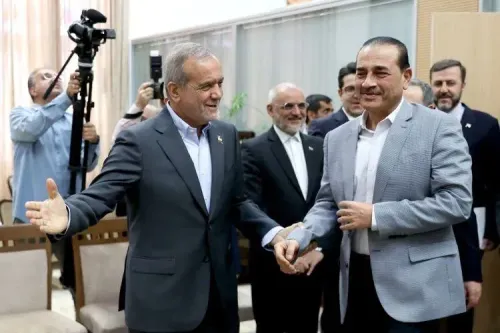
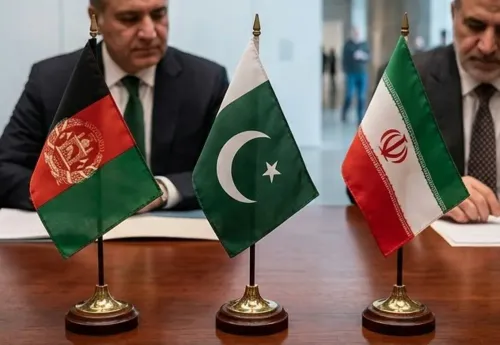
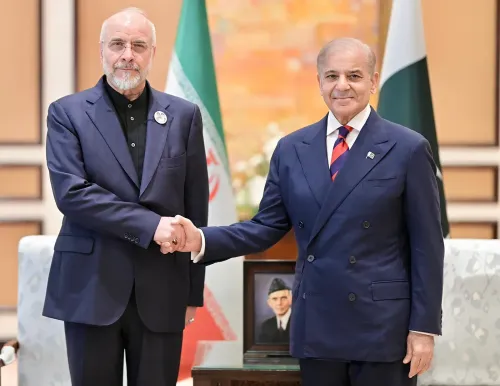
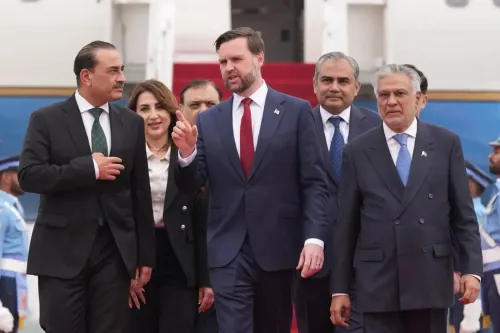
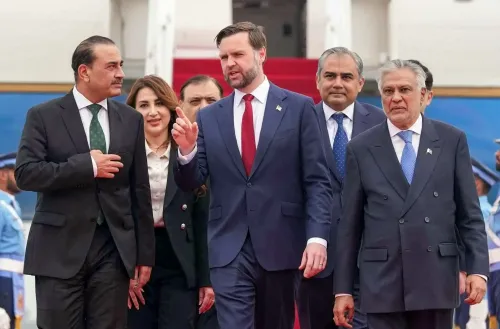
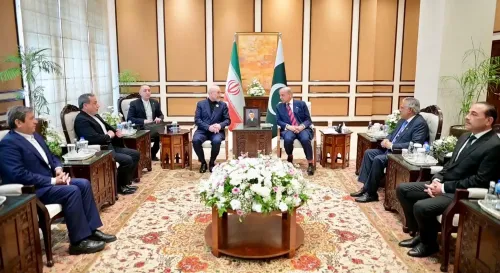
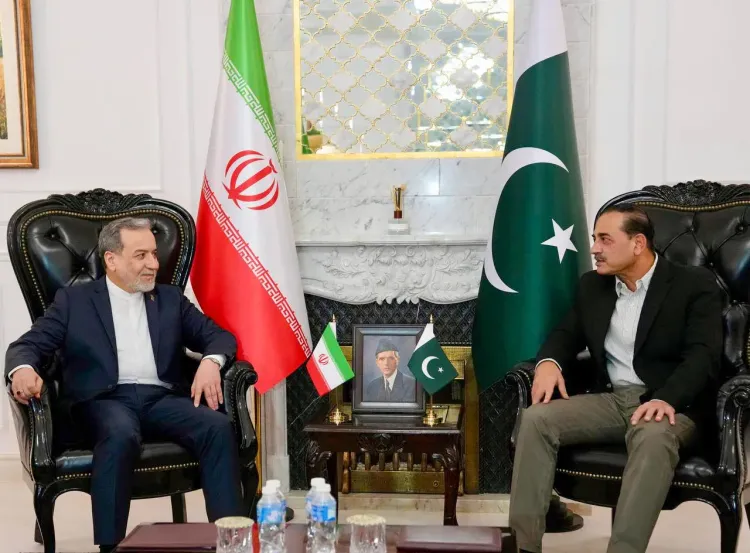
Pakistan hosted talks in Islamabad in April 2026, positioning itself as a neutral broker between Washington and Tehran. The effort contributed to a Memorandum of Understanding (MOU) signed on 17 June, but the breakthrough proved short-lived. Iran rejected Pakistan's proposed frameworks and issued counter-demands within days of the talks concluding.
The MOU left the hardest issues — including Iran's nuclear programme and long-term management of the Strait of Hormuz — entirely unresolved. US President Donald Trump declared the ceasefire over on 10 July, following a major exchange of strikes in which the US targeted Iranian sites and Iran retaliated against US military assets in the Gulf. 'Pakistan secured a process, not a resolution. That fragility is already evident,' the report stated.
The Vulnerabilities Behind Islamabad's Strategy
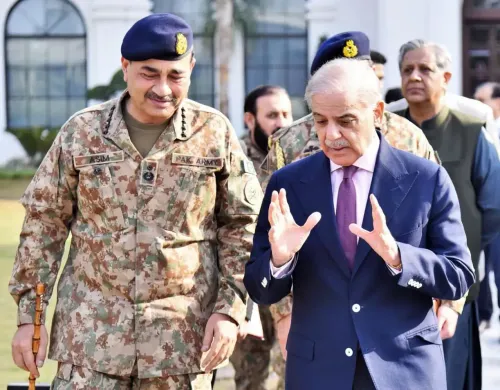
According to the report, Pakistan's motivations were shaped less by diplomatic ambition than by structural pressures. Islamabad sought to secure its 900-kilometre border with Iran, honour its defence commitments to Saudi Arabia, and rebuild an international image tarnished by years of isolation. The balancing act between the US, Iran, and Saudi Arabia has now become 'increasingly untenable,' the report argued.
The economic dividends Pakistan hoped to extract from its mediator role remain speculative. With the agreement collapsed, those anticipated gains appear unlikely to materialise in any near-term form.
India's Deliberate Absence — and What It Signals
Pakistan's mediation role quickly fuelled a domestic narrative of a diplomatic win over India, but the report pushed back sharply on that framing. 'India's absence from the mediation table was not passivity. It was a deliberate choice, and one consistent with how a power of India's size and ambition conducts itself in international politics,' it noted.
Emphasising India's position as the world's fifth-largest economy and a pivotal force in the Indo-Pacific security architecture, the report argued that inserting itself as a conduit between Washington and Tehran would have been 'a step down, not a step up.' India has instead relied on energy diplomacy, backchannel engagement, and its leverage as one of the world's largest importers to shape developments quietly.
Who Actually Gains in the Long Run
'The Iran war has produced an optical illusion: Pakistan looks active and therefore winning; India looks passive and therefore losing. But foreign policy is not decided by appearances,' the report asserted. It argued that when the region rebuilds its economic relationships, the decisive factors will be trade, investment, connectivity, and technology — metrics on which India's position 'far exceeds Pakistan's.'
With the MOU now in tatters and the ceasefire declared over, the coming weeks will test whether Islamabad can salvage any credibility from a mediation effort that promised much and delivered little.
Point of View
But economic weight. As the region recalibrates post-conflict, the country with trade, investment, and technology to offer will set the terms. Pakistan brokered a process that lasted weeks; India is positioning for relationships that last decades.
NationPress
17 Oct 2026
Frequently Asked Questions
Why did Pakistan's US-Iran mediation fail?
Pakistan's mediation failed because Iran rejected its proposed frameworks and issued counter-demands within days of the April 2026 Islamabad talks. The MOU signed on 17 June left core issues — Iran's nuclear programme and management of the Strait of Hormuz — unresolved, and US President Trump declared the ceasefire over on 10 July following a fresh exchange of strikes.
What motivated Pakistan to mediate between the US and Iran?
According to the Geopolitical Monitor report, Pakistan's mediation was driven by its own vulnerabilities — specifically the need to secure its 900-kilometre border with Iran, honour defence commitments to Saudi Arabia, and rebuild an international image damaged by years of isolation. Analysts describe it as 'defensive diplomacy' rather than a projection of rising strategic power.
Why did India not participate in the US-Iran mediation?
India's absence was a deliberate strategic choice, according to the report. As the world's fifth-largest economy and a key player in Indo-Pacific security, India assessed that inserting itself as a conduit between Washington and Tehran would be 'a step down, not a step up.' India instead pursued energy diplomacy and backchannel engagement to shape developments behind the scenes.
Does Pakistan's mediation role give it an advantage over India?
The Geopolitical Monitor report argues it does not. While Pakistan appeared active, the report calls this an 'optical illusion' — lasting regional influence will be determined by trade, investment, connectivity, and technology, metrics on which India's position 'far exceeds Pakistan's.' The MOU's collapse further undermines any short-term diplomatic dividend for Islamabad.
What is the current status of the US-Iran ceasefire?
The ceasefire is over. US President Donald Trump declared it finished on 10 July 2026 following a major exchange of strikes, with the US targeting Iranian sites and Iran retaliating against US military assets in the Gulf. The MOU that Pakistan helped broker has since effectively collapsed.