Karnataka tribal welfare: BJP MP Karajol flags VDVK gaps, ₹9.01 crore fund delay
Synopsis
Of 140 Van Dhan Vikas Kendras sanctioned for Karnataka, only 69 are running — and ₹9.01 crore in approved funds remains unreleased. BJP MP Govind Karajol's intervention at the Parliamentary tribal welfare committee lays bare a systemic gap between scheme sanction and ground-level delivery for Karnataka's tribal communities.
Key Takeaways
Karajol raised Karnataka tribal welfare issues at the Parliamentary Committee on the Welfare of Scheduled Castes and Scheduled Tribes on 21 August .
Only 69 of 140 sanctioned Van Dhan Vikas Kendras are operational in Karnataka; 71 centres are yet to begin work.
Of ₹20.87 crore sanctioned, only ₹11.86 crore has been released; ₹9.01 crore remains pending.
Under the PM-JANMAN scheme , 12 of 33 sanctioned VDVKs in Karnataka are non-operational.
Karnataka received 2,95,176 Forest Rights Act applications; 2,62,626 were rejected , with only 16,700 titles issued and 15,850 pending.
The Union Ministry of Tribal Affairs assured it would prioritise all issues and expedite fund release and pending work.
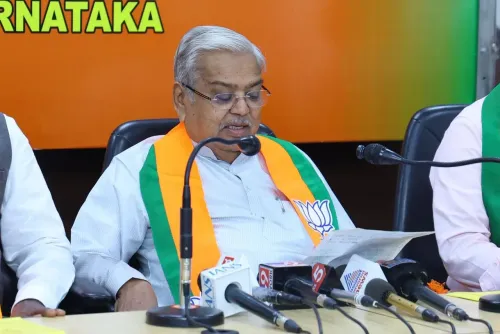
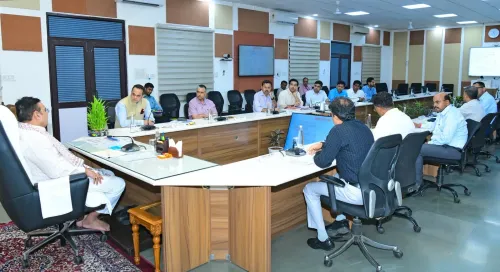
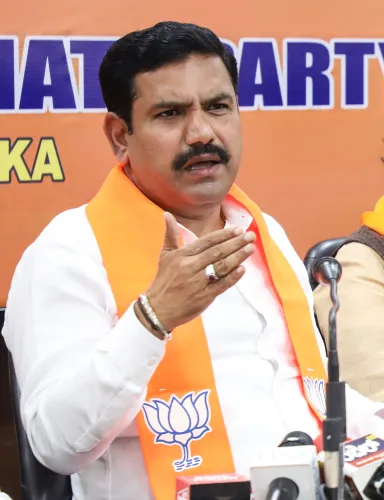
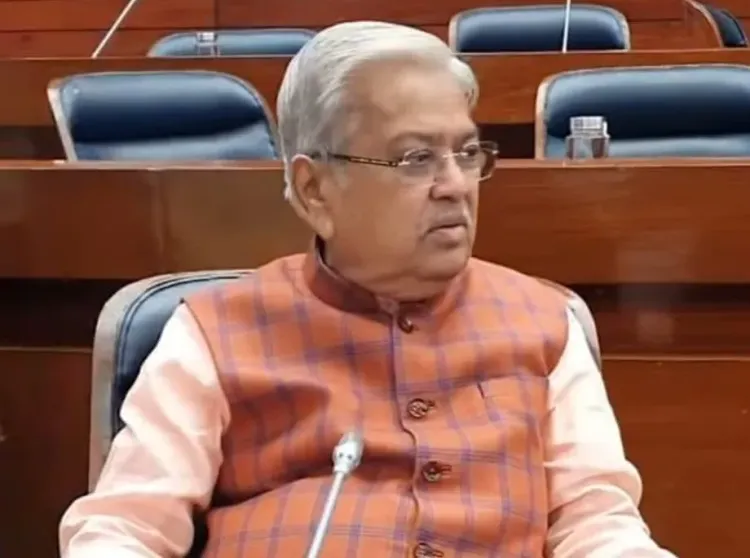
Chitradurga Bharatiya Janata Party (BJP) Member of Parliament and former Karnataka Deputy Chief Minister Govind M. Karajol raised a series of concerns about tribal welfare implementation in the state at a meeting of the Parliamentary Committee on the Welfare of Scheduled Castes and Scheduled Tribes on Friday, 21 August. The issues ranged from stalled Van Dhan Vikas Kendras (VDVKs) and a pending fund release of ₹9.01 crore to a high rejection rate of applications under the Forest Rights Act.
VDVK Operational Gaps in Karnataka
Karajol told officials from the Union Ministry of Tribal Affairs that of the 140 VDVKs sanctioned in Karnataka, only 69 are currently operational, leaving 71 centres yet to commence work. He sought clarity on the reasons for the delay and pressed the Ministry to provide a timeline for making the remaining centres functional.
Under the PM-JANMAN scheme, a separate tranche of 33 VDVKs has been sanctioned for Karnataka, of which 21 are operational while 12 remain non-functional. Karajol urged the Ministry to identify the bottlenecks and take corrective steps at the earliest.
Pending Fund Release of ₹9.01 Crore
On the financial front, Karajol pointed out that while ₹20.87 crore had been sanctioned for Karnataka, only ₹11.86 crore had been disbursed so far. The remaining ₹9.01 crore is yet to be released. He urged the Ministry to expedite the pending release so that operational centres are not hampered by resource constraints.
He also called for district-wise performance reports of the 69 operational VDVKs, covering the number of beneficiaries, fund utilisation, products manufactured, sales figures, and income generated for tribal communities. This comes amid broader concerns about accountability and outcome measurement in centrally sponsored tribal welfare schemes.
Forest Rights Act: High Rejection Rate Raises Concern
Karajol expressed serious concern over the large number of applications filed in Karnataka under the Forest Rights Act. According to figures presented at the meeting, the state has received 2,95,176 applications, of which 2,62,626 have been rejected — a rejection rate of nearly 89%. Only 16,700 applications have been approved and titles issued, while 15,850 applications remain pending.
He questioned the grounds for rejecting such a large proportion of applications and sought district-wise data detailing applications received, approved, rejected, and pending, along with details of forest rights titles distributed. Notably, the high rejection rate has been a point of contention in Karnataka for several years, with tribal rights groups arguing that procedural hurdles disproportionately disadvantage genuine claimants.
Ministry's Response and Assurances
Senior officials of the Union Ministry of Tribal Affairs assured Karajol that all the issues raised would be examined on priority and that necessary action would be taken at the earliest. They committed to steps for releasing the pending funds and issuing directions to concerned authorities to expedite pending works and application disposals.
Welcoming the assurances, Karajol urged the Ministry to ensure that the benefits of government schemes reach Karnataka's tribal communities without further delay. Whether the Ministry's commitments translate into ground-level action will be closely watched by tribal welfare advocates across the state.
Point of View
Delayed funds and stalled centres are not administrative footnotes — they are foregone livelihoods.
NationPress
5 Oct 2026
Frequently Asked Questions
What issues did BJP MP Govind Karajol raise at the Parliamentary tribal welfare committee?
Karajol raised concerns about 71 non-operational Van Dhan Vikas Kendras in Karnataka, a pending fund release of ₹9.01 crore, stalled PM-JANMAN scheme centres, and a near-89% rejection rate for Forest Rights Act applications in the state. He sought district-wise data and Ministry accountability on all counts.
How many Van Dhan Vikas Kendras are operational in Karnataka?
Of the 140 VDVKs sanctioned in Karnataka, only 69 are currently operational. An additional 33 were sanctioned under the PM-JANMAN scheme, of which 21 are functional and 12 have not yet commenced operations.
What is the status of Forest Rights Act applications in Karnataka?
Karnataka has received 2,95,176 applications under the Forest Rights Act. Of these, 2,62,626 have been rejected, only 16,700 have been approved with titles issued, and 15,850 remain pending — a rejection rate of nearly 89%.
How much tribal welfare funding is pending for Karnataka?
Of the ₹20.87 crore sanctioned for Karnataka under tribal welfare schemes, only ₹11.86 crore has been released. The remaining ₹9.01 crore is yet to be disbursed, which Karajol urged the Ministry to release immediately.
What did the Union Ministry of Tribal Affairs say in response?
Senior Ministry officials assured Karajol that all issues raised would be examined on priority. They committed to releasing pending funds and issuing directions to expedite pending works and disposal of Forest Rights Act applications.