Karnataka police get new media guidelines, ban unauthorised probe leaks
Synopsis
Karnataka has quietly redrawn the rules on what its police can say — and to whom. The new DG & IGP-issued framework bans unauthorised leaks on criminal probes, restricts FIR and evidence sharing, and limits social media commentary to designated officers. It is a significant institutional move that could reshape how the state's law enforcement communicates during high-profile cases.
Key Takeaways
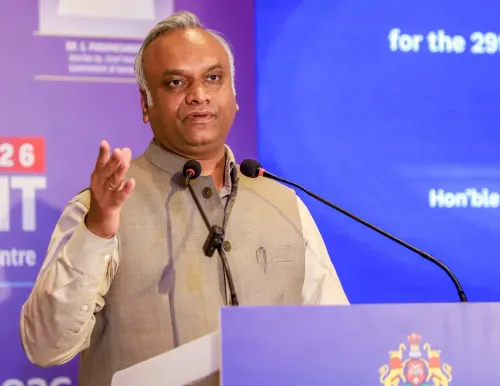
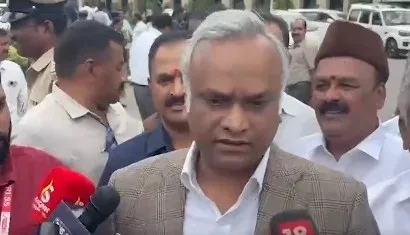
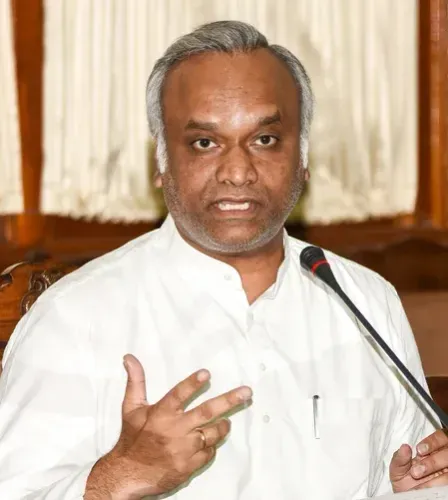
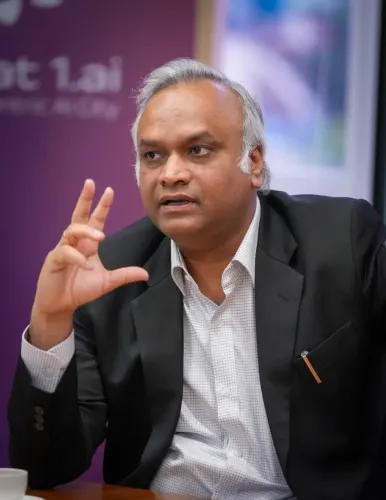
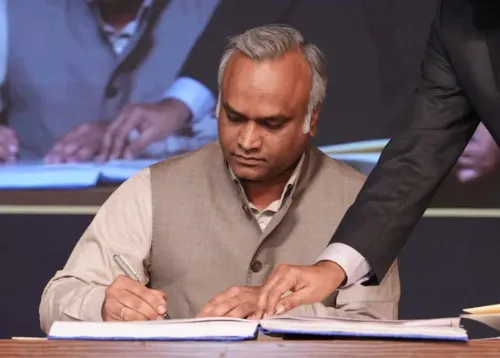
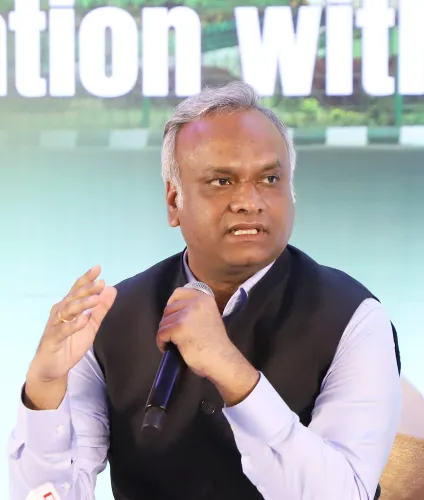
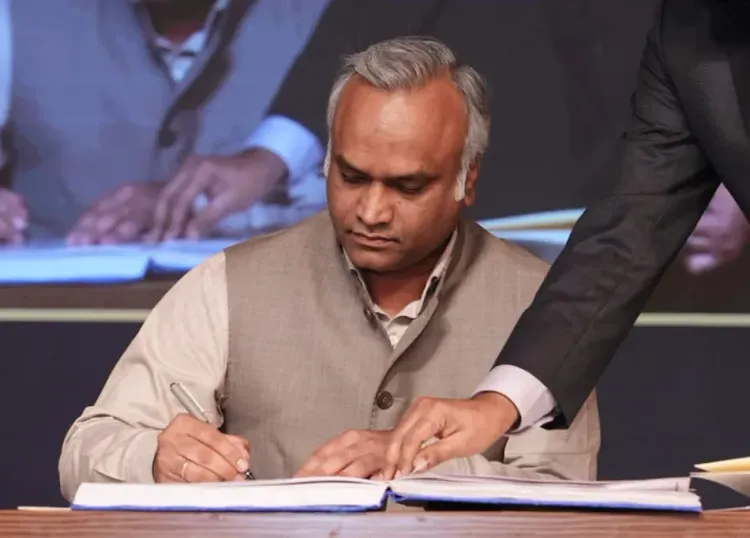
Karnataka Home Minister Priyank Kharge announced unified police media guidelines on 2 July .
Guidelines issued by the Office of the DG & IGP apply to all police stations, commissionerates, and specialised units statewide.
Unauthorised disclosure of FIRs , case diaries, evidence, accused statements, and intelligence inputs is now prohibited.
Only Superintendents of Police and City Police Commissioners can issue official information at the district level.
Police personnel are barred from sharing investigation-related content on social media without designated authorisation.
The move is expected to draw opposition scrutiny over potential impact on press access and police accountability.
Karnataka Home Minister Priyank Kharge on Thursday, 2 July announced unified media communication guidelines for the state's police department, establishing a structured framework to govern how law enforcement shares information on criminal investigations, law and order, and public safety matters. The guidelines, issued by the Office of the Director General and Inspector General of Police (DG & IGP), are set to apply across all tiers of the police hierarchy in Karnataka.
What the New Guidelines Establish
The framework creates a tiered communication protocol across the police department. Police Sub-Inspectors, Circle Inspectors, and Station House Officers (SHOs) will be permitted to share only preliminary, jurisdiction-specific incident details with the media. Higher-level disclosures will be handled exclusively by Superintendents of Police, City Police Commissioners, and heads of specialised units at the district level.
The guidelines cover police stations, district police offices, city police commissionerates, and specialised units across the state, mandating a uniform communication protocol when interacting with the press.
What Is Prohibited Under the Policy
The new rules explicitly prohibit the unauthorised disclosure of information related to criminal investigations, intelligence inputs, cybercrime, organised crime, and matters connected with ongoing legal proceedings. Police personnel have been directed not to share evidence, accused statements, First Information Reports (FIRs), case diaries, or any investigation-related documents without prior approval from designated authorities.
Notably, the guidelines also regulate police conduct on social media platforms. Only officers formally designated for the purpose will be authorised to communicate the official position of the department online or through other media channels.
What the Government Said
Home Minister Priyank Kharge said the unified policy is aimed at preventing the spread of misinformation while simultaneously protecting the confidentiality of active investigations. 'The government's clear objective is to ensure that accurate information reaches the public while preserving the confidentiality of investigations and maintaining the integrity of judicial processes,' Kharge said.
He added that the policy would enhance 'transparency, accountability, and professionalism' in the department's information-sharing mechanism and strengthen public confidence in law enforcement.
Political and Institutional Context
The announcement is likely to draw scrutiny from opposition parties, who may argue the restrictions limit press freedom or shield the police from accountability. This comes amid a broader national conversation about the balance between investigative confidentiality and the public's right to timely, accurate information during high-profile criminal cases.
Several other states have introduced similar structured communication protocols in recent years, but critics have at times flagged such frameworks as tools to manage narratives rather than safeguard investigations. Karnataka's guidelines, if enforced consistently, could set a benchmark — or become a flashpoint — depending on how the authorised officers exercise their discretion.
What Happens Next
The guidelines are now in effect across all Karnataka police units. Compliance will depend on internal enforcement by the DG & IGP's office. Opposition parties are expected to raise the matter in the coming days, and civil society groups focused on press freedom may also weigh in on the scope of the restrictions.
Point of View
But the practical effect is a tighter information cordon around criminal investigations — one that concentrates disclosure power with senior officers. That is not inherently problematic; uncoordinated leaks do distort investigations and prejudice trials. The harder question is whether the framework includes any mechanism for accountability when authorised officers themselves suppress inconvenient facts. Structured communication protocols work best when paired with independent oversight; without it, they can become instruments of narrative control as easily as tools of responsible policing.
NationPress
1 Oct 2026
Frequently Asked Questions
What are Karnataka's new police media guidelines?
Karnataka has introduced a unified communication framework, issued by the Office of the DG & IGP, that governs how police personnel at all levels share information with the media. The guidelines establish a tiered system of authorised spokespersons and prohibit unauthorised disclosure of investigation-related details including FIRs, evidence, and intelligence inputs.
Who is authorised to speak to the media under the new rules?
Sub-Inspectors, Circle Inspectors, and SHOs can share only preliminary incident information within their jurisdiction. At the district level, Superintendents of Police, City Police Commissioners, and heads of specialised units are the designated officers for official media communication.
What information is banned from being shared without approval?
Police personnel cannot share evidence, accused statements, FIRs, case diaries, intelligence inputs, or any information related to cybercrime, organised crime, or ongoing legal proceedings without prior authorisation from designated officers.
Why has Karnataka introduced these guidelines?
According to Home Minister Priyank Kharge, the policy aims to prevent misinformation, protect the confidentiality of active investigations, and maintain the integrity of judicial processes while ensuring accurate information reaches the public.
Will the guidelines affect press freedom or police accountability?
The move is expected to draw criticism from opposition parties and potentially from press freedom advocates, who may argue the restrictions limit journalists' access to information. How the guidelines are enforced in practice will determine their real-world impact on media access and police accountability.