Is the Karnataka Government Considering Restrictions on Children's Social Media Use?
Synopsis
The Karnataka government is contemplating measures to limit social media access for children due to rising concerns about risks and harmful content. Minister Priyank Kharge emphasizes the need for responsible usage and highlights ongoing initiatives, including a digital detox program. This significant discussion raises critical questions about children's safety in the digital age.
Key Takeaways
Karnataka government exploring social media restrictions for children.
Minister Priyank Kharge emphasizes the importance of responsible AI usage.
Collaboration with Meta on a digital detox program.
Concerns raised about children's exposure to inappropriate content.
Need for bipartisan discussions on public health and education.
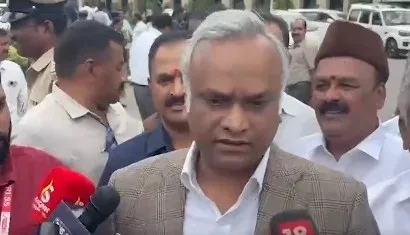
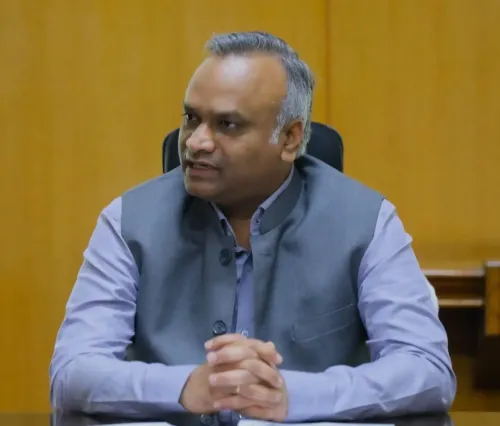
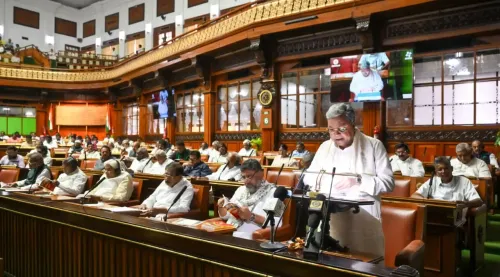
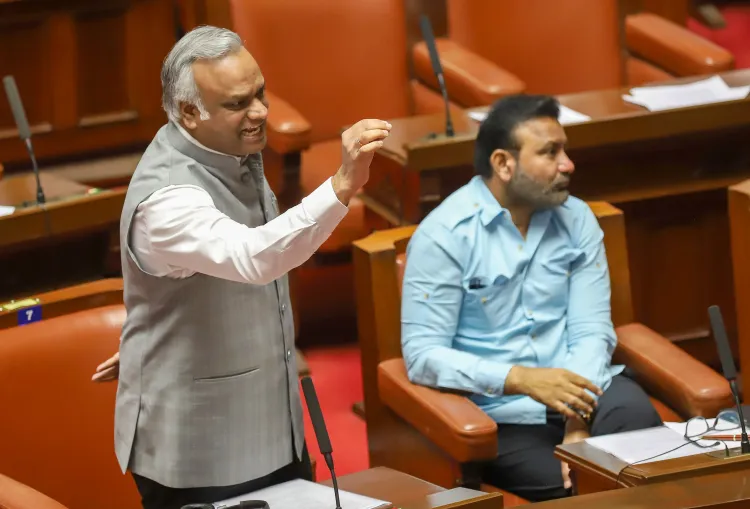
Bengaluru, Jan 30 (NationPress) The Karnataka government has announced that it is exploring options to limit children's access to social media due to the associated risks. Priyank Kharge, the Minister for Rural Development and Panchayat Raj (RDPR), IT and BT, made this announcement in the Legislative Assembly after a senior BJP MLA, S. Suresh Kumar, expressed concerns and urged for protective measures for children.
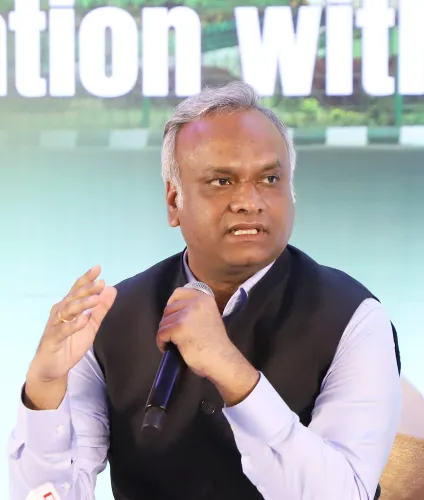
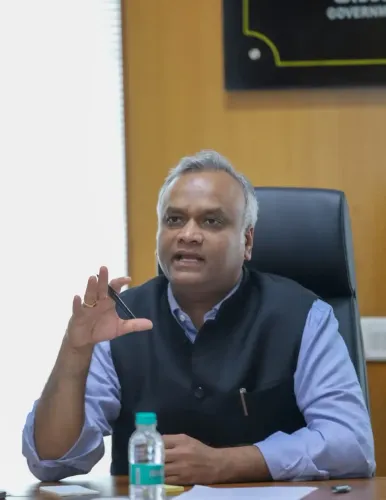
In response, Minister Kharge remarked, “The concern raised by the senior leader is quite serious. Countries like Finland have implemented measures, the UK is contemplating similar actions, and Australia recently decided to prohibit social media access for children. We are currently deliberating on how to promote responsible use of Artificial Intelligence and social media. This matter is actively under discussion.”
He further mentioned that the department, in partnership with Meta, has initiated a digital detox program that has engaged approximately three lakh children and around one lakh teachers. “This is a crucial issue, and I wish to convey what the government is currently undertaking,” he stated.
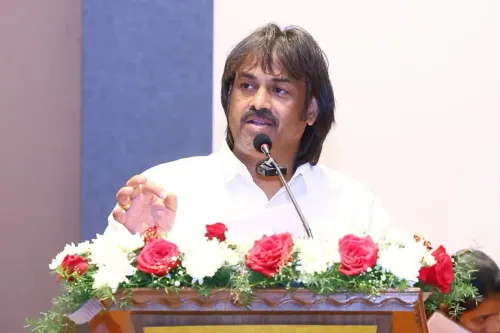
Earlier in the assembly, Suresh Kumar emphasized that Australia has set a benchmark by limiting social media access for those under 16. “Children are encountering inappropriate content before reaching adulthood. This issue is alarming. We need to implement protective measures. Otherwise, the future of our schools and families appears grim. A report on this concern has also been submitted to the central authorities,” he stated.
“We are jeopardizing our youth due to early exposure to social media. The state of Goa has also initiated certain actions. While complete control may be unattainable, we must at least take some steps,” he urged.
Suresh Kumar further insisted that such decisions should transcend party politics. “Regrettably, due to ongoing disputes between political factions, critical issues affecting the public—such as health and education—are often overlooked. A common man passing by Vidhana Soudha might wonder if their concerns will ever be addressed,” he said.
“It raises an important question about whether the common citizen is represented in these discussions. The government uses the Governor to address the assembly as ‘my government.’ Genuine governance will earn the trust of the citizens, who will then rightfully say it’s ‘my government.’ Until then, the system remains devoid of meaning,” he expressed.
Alluding to the recent tragic stampede in Bengaluru that resulted in 11 fatalities, Suresh Kumar queried about the status of the commission set up following discussions in the assembly. “What have been the findings? Who has been held accountable?” he asked.
Point of View
It's imperative to recognize the Karnataka government's proactive stance on protecting children from potential online hazards. The discussions regarding social media restrictions reflect a growing concern that transcends political boundaries, emphasizing the collective responsibility to safeguard our youth. This dialogue is essential in ensuring children's welfare in an increasingly digital world.
NationPress
19 Sept 2026
Frequently Asked Questions
What measures is the Karnataka government considering for children's social media use?
The Karnataka government is discussing potential restrictions on children's access to social media due to safety concerns and the risks associated with harmful content.
Why is the government focusing on children's social media access?
Concerns have been raised regarding children's exposure to inappropriate content online, prompting the government to consider protective measures to ensure their safety.
What initiatives has the government launched?
The government has partnered with Meta to launch a digital detox program, which aims to engage children and teachers in healthier online habits.
How many participants are involved in the digital detox program?
Approximately three lakh children and about one lakh teachers are currently participating in the digital detox initiative.
What other countries have implemented similar restrictions?
Countries like Finland and Australia have already taken steps to restrict social media access for minors, highlighting a global trend towards protecting children online.