Karnataka drought 2025: Shivakumar warns farmers as KRS drops to 22 feet
Synopsis
Karnataka's reservoirs are at a fraction of last year's levels — KRS at 22 feet against 100, Kabini at 26 against 79 — and inflows are running at just 20% of normal. Chief Minister Shivakumar's drought warning is not a precaution; it is an early crisis signal for a state where millions of farmers depend on Cauvery basin water.
Key Takeaways
Shivakumar warned of a potentially severe drought on 2 July 2025 , urging farmers not to depend on reservoir water.
KRS reservoir has dropped from around 100 feet to about 22 feet ; Kabini from 79 feet to nearly 26 feet ; Hemavathi from 80 feet to 40 feet .
Inflows into major reservoirs are currently at only around 20 per cent of normal levels.
District in-charge ministers assigned to monitor 2–3 districts each; Shivakumar to personally tour all four administrative divisions .
The Centre has already cautioned states about possible water and electricity shortages, prompting Karnataka to initiate precautionary measures.
Cabinet cleared ₹98.5 crore for the Bilagi Lift Irrigation Project and ₹320 crore (first phase) for a textile park in Kalaburagi .
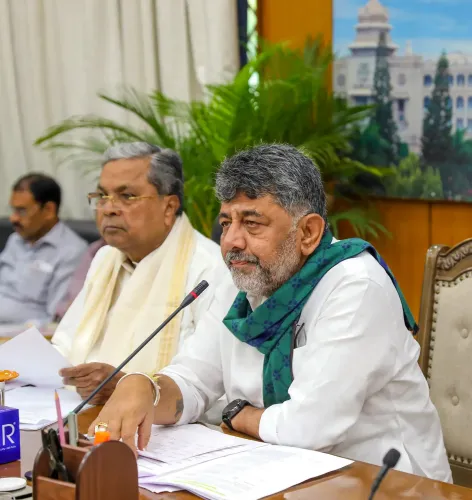
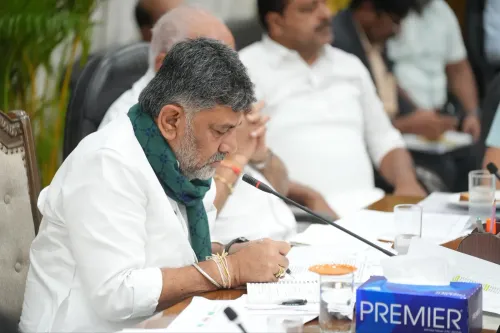
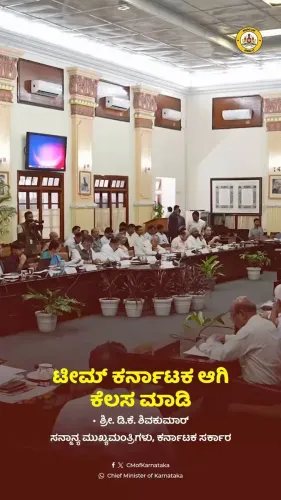
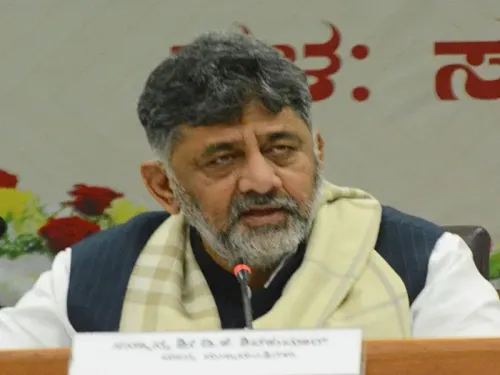
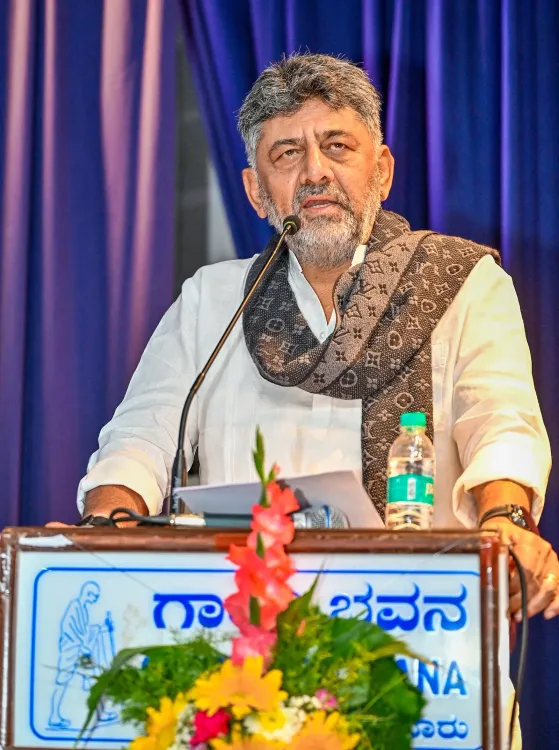
Karnataka Chief Minister D.K. Shivakumar on Thursday, 2 July issued a stark warning about a potentially severe drought this year, urging farmers across the state not to rely on reservoir water for cultivation as inflows into most major water bodies have fallen to negligible levels. The alert came after a state Cabinet meeting at Vidhana Soudha, Bengaluru.
Reservoir Levels at Critical Lows
Shivakumar laid out alarming figures from the Cauvery basin and beyond. The Hemavathi reservoir, which held around 80 feet of water during the corresponding period last year, now stands at approximately 40 feet. Storage at the Krishnaraja Sagar (KRS) reservoir has plummeted from roughly 100 feet to just about 22 feet, while the Kabini reservoir has dropped from 79 feet to nearly 26 feet. Inflows into these reservoirs are currently running at only around 20 per cent of normal levels.
The situation is similarly dire across other major water bodies. Reservoirs including Tungabhadra, Ghataprabha, Malaprabha, Narayanpur, and Vani Vilasa have recorded virtually no inflows compared to the same period last year, the Chief Minister said.
Government's Response and Monitoring Plan
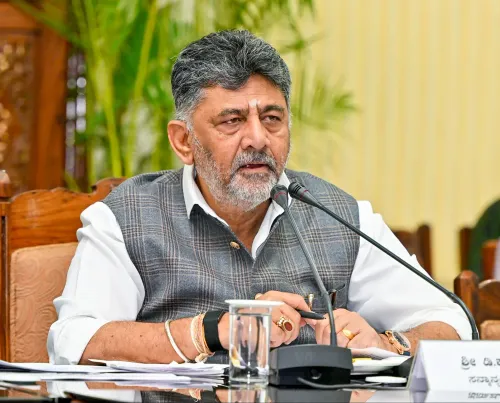
'There are indications that the country could face a severe drought this year. Inflows into most of Karnataka's reservoirs have fallen to negligible levels. I urge farmers not to sow crops depending solely on reservoir water. If rains improve, the government will ensure water is supplied,' Shivakumar said at the press conference.
To manage the unfolding crisis, district in-charge ministers have been assigned responsibility for monitoring two to three districts each. Shivakumar said he would personally tour all four administrative divisions of the state to review the ground situation. Officials have been directed to identify locations requiring emergency borewells, and district ministers have been instructed to assess both fodder availability and drinking water preparedness.
Notably, the Chief Minister added that the Centre had already cautioned states about possible shortages of water and electricity, prompting Karnataka to initiate precautionary measures ahead of a potential deepening of the crisis.
Cabinet Decisions: Power, Irrigation, and Welfare
On the proposed privatisation of electricity distribution, Shivakumar said the state government had directed all Electricity Supply Companies (ESCOMs) to file formal objections before the Karnataka Electricity Regulatory Commission (KERC). He noted that the previous Bharatiya Janata Party (BJP) government had allowed private entities to seek distribution licences, on the basis of which Tata had submitted an application. The current Congress government, he said, does not support the proposal.
The Cabinet also approved ₹98.5 crore for the Bilagi Lift Irrigation Project in Bagalkote district, which is intended to irrigate around 7,000 acres. A first-phase approval of ₹320 crore out of a proposed ₹700 crore was cleared for a textile park project in Kalaburagi. Other approvals included ₹26 crore for children's eye care services under the National Programme for Control of Blindness, ₹26 crore for a Tree Park on 60 acres at NGF, ₹33 crore for sports kits and educational materials for minority students, and ₹30 crore for a Common Facility Centre at the Aerospace Park in Devanahalli.
Shivakumar also said the implementation of the Centre's VBG RAM G scheme would impose an annual financial burden of approximately ₹3,806 crore on the state. Although Karnataka has challenged the scheme, the state would implement it subject to prescribed conditions, he added.
New 'Praja Seve' Grievance Initiative Launched
The Cabinet approved the launch of a new 'Praja Seve' initiative aimed at strengthening public grievance redressal. Under the programme, district in-charge ministers will be required to visit two Assembly constituencies every month — on the first and third Saturdays — to hear grievances directly from citizens. A separate department headed by an IAS officer will be created to coordinate grievances, protests, and public petitions.
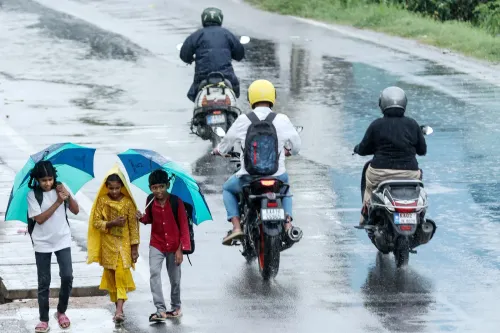
With reservoir levels at historic lows and the monsoon underperforming, Karnataka's agricultural and drinking water outlook for the coming months will hinge heavily on whether rainfall recovers in the weeks ahead.
Point of View
For fear of triggering panic or political backlash. That he chose to do so signals the reservoir data is genuinely alarming, not a negotiating posture ahead of Centre transfers. The deeper concern is structural: Karnataka has repeatedly faced Cauvery water disputes with Tamil Nadu during deficit years, and a season where KRS sits at 22 feet by early July raises the near-certain prospect of inter-state water conflict re-emerging before August. The Cabinet's simultaneous push on irrigation approvals and the Praja Seve grievance initiative suggests the government is bracing for a politically turbulent second half of 2025.
NationPress
1 Oct 2026
Frequently Asked Questions
Why has Karnataka CM Shivakumar issued a drought warning?
Chief Minister D.K. Shivakumar issued the warning on 2 July 2025 because inflows into Karnataka's major reservoirs have fallen to negligible levels and the state is recording a worsening rainfall deficit. Reservoir levels in the Cauvery basin — including KRS, Kabini, and Hemavathi — are a fraction of what they were at the same time last year.
How low are Karnataka's reservoir levels right now?
As of 2 July 2025, the KRS reservoir stands at about 22 feet against roughly 100 feet last year, Kabini has dropped from 79 feet to nearly 26 feet, and Hemavathi has halved from around 80 feet to about 40 feet. Inflows into these reservoirs are running at only around 20 per cent of normal levels.
What has the Karnataka government advised farmers?
The government has urged farmers not to sow crops depending solely on reservoir water and to plan their cropping pattern cautiously based on actual rainfall. Shivakumar said if rains improve, the government will ensure water supply.
What measures is the Karnataka government taking to manage the drought?
District in-charge ministers have been assigned to monitor two to three districts each, while Shivakumar will personally tour all four administrative divisions. Officials have been directed to assess fodder availability, drinking water preparedness, and identify locations needing emergency borewells.
What other decisions did the Karnataka Cabinet take on 2 July?
The Cabinet approved ₹98.5 crore for the Bilagi Lift Irrigation Project in Bagalkote, a ₹320 crore first-phase outlay for a textile park in Kalaburagi, and launched the 'Praja Seve' grievance redressal initiative. It also directed ESCOMs to oppose electricity distribution privatisation before KERC.