Cauvery dispute: Karnataka to fight TN's Supreme Court move legally, says Shivakumar
Synopsis
Tamil Nadu's fresh Supreme Court move on the Cauvery dispute has put Karnataka on legal alert — with CM Shivakumar vowing a coordinated legal response while the state simultaneously battles a dual crisis of floods and drought. With KRS and Hemavathi reservoirs still below capacity and 19 new Ministers just sworn in, Karnataka's political and water challenges are converging at once.
Key Takeaways
Shivakumar on 3 August said the state will respond legally to Tamil Nadu's Supreme Court petition on the Cauvery water dispute .
Karnataka says it has complied with all Cauvery Water Management Authority directions and enjoys cross-party unity on the issue.
19 new Ministers were directed to visit assigned districts from Wednesday to assess flood and drought damage and report to the Revenue Minister .
Reservoirs KRS and Hemavathi remain below capacity despite recent rainfall; rain-related incidents reported in Shivamogga and Thirthahalli .
The state has sanctioned ₹1 crore per Assembly constituency for drinking water needs; further decisions await district reports.
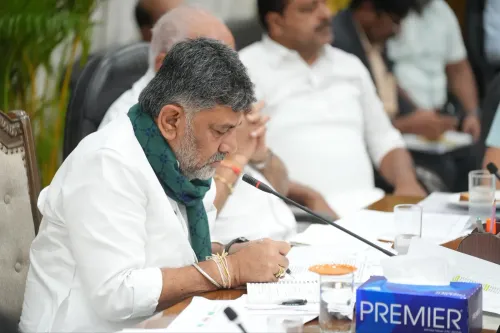
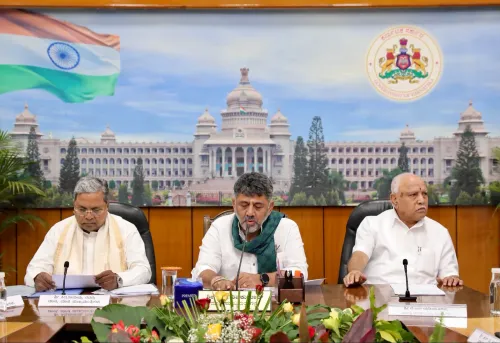
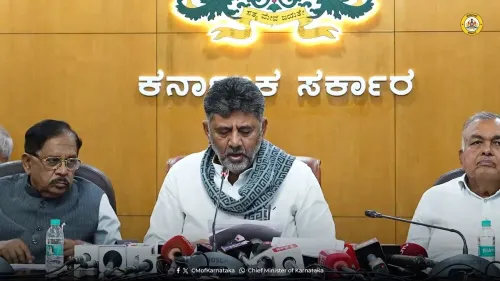
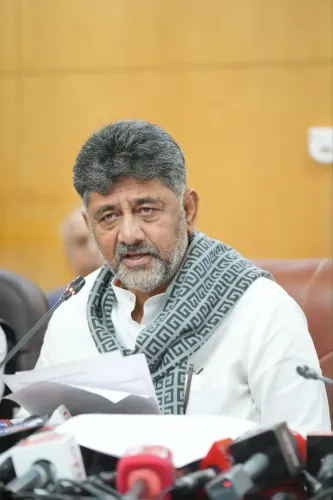
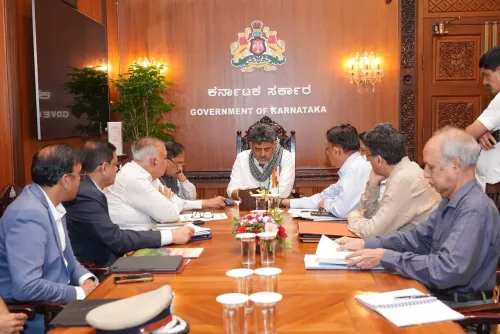
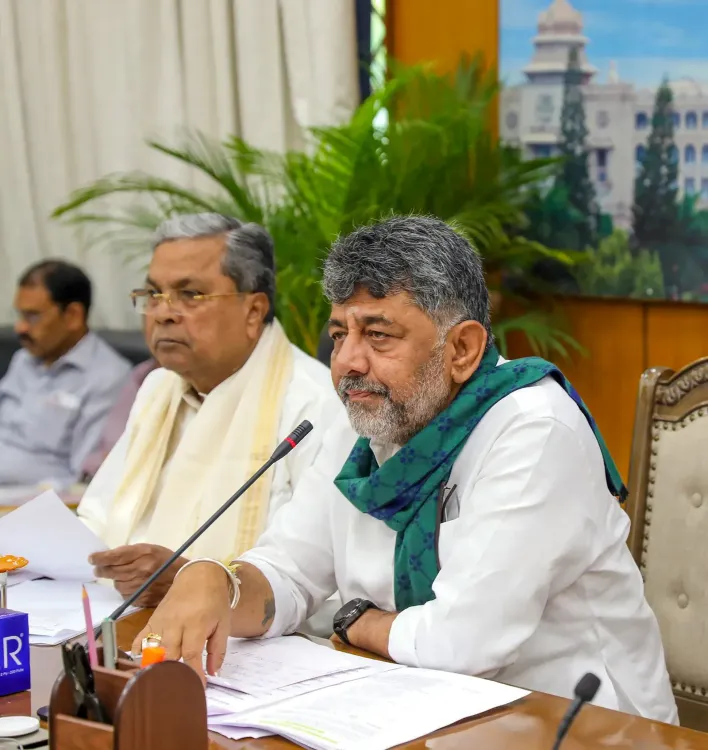
Karnataka Chief Minister D.K. Shivakumar on Monday, 3 August said the state would mount a legal response to Tamil Nadu's decision to approach the Supreme Court over the Cauvery water dispute, after consulting legal experts. Shivakumar made the announcement following a two-hour Cabinet meeting at Vidhana Soudha in Bengaluru — the first since 19 new Ministers were sworn in earlier that day.
Karnataka's Legal Stand
'We respect the law and will respond legally. Karnataka has complied with the Cauvery Water Management Authority's directions within the legal framework, and all political parties in the state have stood united in protecting Karnataka's interests,' Shivakumar said. The Chief Minister underscored that the state's response would be coordinated with senior legal counsel before any submission before the apex court.
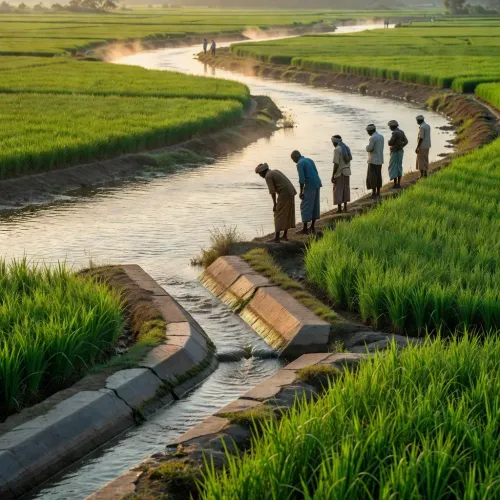
The Cauvery dispute is one of India's longest-running inter-state water conflicts, with Karnataka and Tamil Nadu locked in a decades-old disagreement over allocation from the river basin. Tamil Nadu's fresh Supreme Court petition adds a new legal dimension to a row that has historically flared during deficit monsoon years.
New Ministers Directed to Assess Flood and Drought Damage
The Cabinet meeting also took stock of Karnataka's twin crisis of heavy rainfall and drought across multiple districts. Shivakumar directed the newly inducted Ministers to visit their assigned districts from Wednesday, conduct field inspections alongside elected representatives from all parties, and submit detailed reports to the Revenue Minister.
'We have instructed the new Ministers to visit their respective districts, inspect areas affected by excessive rainfall and drought, and submit reports after conducting field assessments. The government will take decisions based on these reports,' he said.
Water Crisis: Partial Relief, Concerns Remain
The Chief Minister acknowledged that recent rainfall had eased an acute water shortage but cautioned that the situation remained precarious. Key reservoirs — including KRS and Hemavathi — were yet to reach adequate levels despite improved inflows.
'The situation had become extremely critical, but recent rains have brought temporary relief. Reservoirs such as KRS and Hemavathi are yet to fill up despite increased inflows. There have been rain-related incidents in Shivamogga and Thirthahalli, and appropriate relief measures will be taken after receiving reports,' Shivakumar said.
₹1 Crore Per Constituency for Drinking Water
The state government has already sanctioned ₹1 crore for every Assembly constituency to address immediate drinking water requirements. Further allocations will follow once district-level assessment reports are submitted. Cross-party field inspections have been mandated to ensure transparency in damage evaluation.
With Tamil Nadu's Supreme Court petition pending and Karnataka's reservoirs still below capacity, the coming weeks will test both the state's legal strategy and its ability to manage a compounding water emergency.
Point of View
Where past rulings have not always favoured the state. Meanwhile, the dual flood-drought crisis — unusual but not unprecedented in Karnataka — risks being overshadowed by the inter-state water politics, even as ordinary citizens in Shivamogga and Thirthahalli deal with immediate damage. The ₹1 crore-per-constituency water fund is a holding measure; the structural deficit in reservoir storage demands a longer answer.
NationPress
18 Sept 2026
Frequently Asked Questions
Why has Tamil Nadu approached the Supreme Court over the Cauvery dispute?
Tamil Nadu has moved the Supreme Court over the long-running Cauvery water dispute, seeking relief on water sharing from the river basin it shares with Karnataka. The fresh petition adds a new legal dimension to one of India's oldest inter-state water conflicts, typically intensifying during deficit monsoon periods.
How is Karnataka responding to Tamil Nadu's Supreme Court petition?
Karnataka CM D.K. Shivakumar has said the state will respond through legal channels after consulting legal experts. He stressed that Karnataka has complied with all Cauvery Water Management Authority directions and that all political parties in the state are united in protecting its interests.
What is the Cauvery Water Management Authority?
The Cauvery Water Management Authority is a body set up by the Supreme Court to supervise and regulate the sharing of Cauvery river waters between Karnataka, Tamil Nadu, Kerala, and Puducherry. Karnataka has maintained it has followed the Authority's directives within the prescribed legal framework.
What did the Karnataka Cabinet discuss besides the Cauvery issue?
The Cabinet reviewed the state's preparedness to handle heavy rainfall and drought conditions. New Ministers were directed to visit their districts from Wednesday, inspect flood and drought-hit areas, and submit reports to the Revenue Minister. The government has also sanctioned ₹1 crore per Assembly constituency for drinking water needs.
What is the current status of Karnataka's reservoirs?
Key reservoirs including KRS and Hemavathi are yet to reach adequate levels despite improved inflows following recent rains. While the rainfall has provided temporary relief from the water crisis, CM Shivakumar cautioned that drought concerns have not fully subsided, and rain-related incidents have been reported in Shivamogga and Thirthahalli.