Karnataka HC quashes SC/ST quota hike; Bommai urges Supreme Court challenge

Synopsis
The Karnataka High Court has struck down the state's 2022 law that pushed total reservations to 56 per cent — beyond the Supreme Court's 50 per cent ceiling. Former CM Bommai is demanding a Supreme Court challenge, warning he will file his own petition if the Congress government stays silent. The ruling directly affects lakhs of SC and ST aspirants in education and government jobs.
Key Takeaways
The Karnataka High Court on 12 October quashed the Karnataka SC/ST (Reservation) Act, 2022 , which had raised total state reservation from 50% to 56% .
SC quota reverts from 17% to 15% ; ST quota reverts from 7% to 3% .
The law had been enacted by the then Basavaraj Bommai -led BJP government on the basis of the Justice Nagamohan Das Committee report.
Former CM Bommai has urged the current state government to challenge the ruling in the Supreme Court , warning he will file a petition himself if they do not.
The ruling covered 103 SC sub-castes and 56 ST sub-groups whose enhanced quotas now stand nullified.
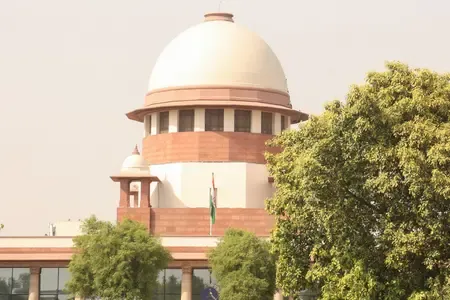
The Karnataka High Court on Monday, 12 October struck down the enhanced reservation quotas for Scheduled Castes (SCs) and Scheduled Tribes (STs) in educational institutions and state government services, nullifying a law that had pushed the state's total reservation ceiling from 50 per cent to 56 per cent. The ruling sets aside changes introduced by the then Basavaraj Bommai-led Bharatiya Janata Party (BJP) government under the Karnataka Scheduled Castes and Scheduled Tribes (Reservation) Act, 2022.
What the Court Ruled
A division bench comprising Chief Justice Vibhu Bakhru and Justice K.S. Hemalekha passed the order while adjudicating a Public Interest Litigation filed by Mahendra Kumar Mitra, who had challenged the constitutional validity of the 2022 Act. The court's decision effectively restores SC reservation to 15 per cent and ST reservation to 3 per cent, reversing the increases to 17 per cent and 7 per cent respectively — which had together raised the combined SC/ST share from 18 per cent to 24 per cent.
Origins of the Enhanced Quotas
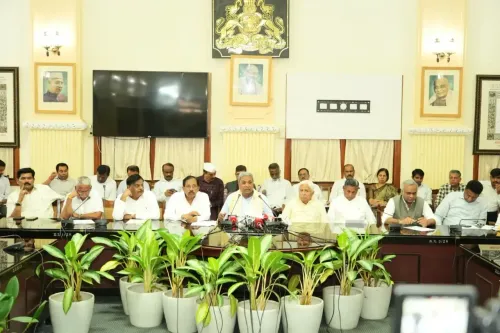
The upward revision had its roots in the recommendations of the retired Justice Nagamohan Das Committee, which had proposed aligning reservation percentages with the population share of the respective communities. Following an all-party meeting where political parties reportedly agreed to the changes, the then BJP Cabinet cleared the proposal. An ordinance was issued, the Governor gave assent, and a special gazette notification subsequently formalised the enhanced quotas. The revised policy covered 103 sub-castes among Scheduled Castes and 56 sub-groups among Scheduled Tribes, with the stated aim of improving their representation in education and government employment.
Bommai's Response and Call to Action
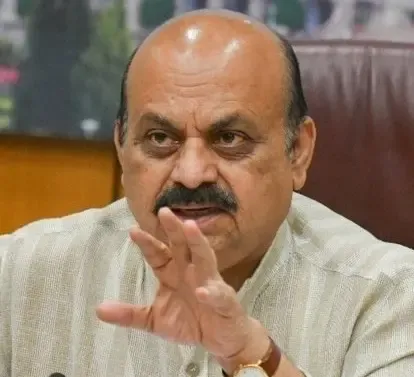
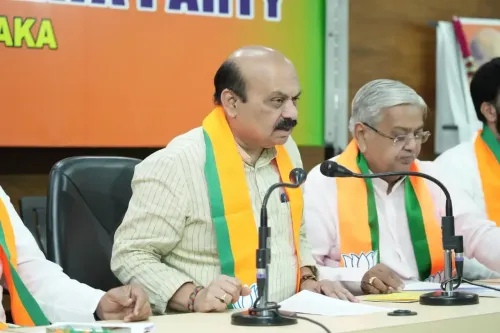
Former Chief Minister Basavaraj Bommai reacted sharply to the ruling, urging the current Karnataka government to challenge the High Court order in the Supreme Court through a writ petition. He stressed that the enhanced quotas were not an administrative fiat but were backed by the Justice Nagamohan Das Committee report and passed through legislation approved by both Houses of the state legislature. Bommai pointed to Tamil Nadu and Chhattisgarh — where reservation levels already exceed 50 per cent — as precedents that could support Karnataka's case before the Supreme Court. He warned that if the ruling government did not act, he would independently move the Supreme Court to seek relief.
Wider Context and What Happens Next
The Karnataka ruling reignites a long-running constitutional debate over whether states can breach the 50 per cent ceiling on reservations established by the Supreme Court's landmark Indra Sawhney judgment of 1992. Tamil Nadu's 69 per cent reservation survives under a special Ninth Schedule protection, a route not available to Karnataka without fresh parliamentary action. Critics argue that without a comparable constitutional shield, Karnataka's enhanced quotas were always vulnerable to judicial scrutiny. The current Congress-led state government's response — whether it chooses to defend the 2022 law's intent in the Supreme Court or let the High Court order stand — will have direct consequences for lakhs of SC and ST aspirants in the state's education system and public services.
Point of View
Which enacted the law, and the Congress, which inherited it, will now face pressure from SC and ST communities to pursue a Supreme Court remedy. Bommai's threat to file his own petition is political positioning as much as legal conviction, given that Tamil Nadu's comparable reservation survives only through a parliamentary shield Karnataka has never sought. The real question is whether any state government has the sustained political will — and the legal strategy — to build a Ninth Schedule case, or whether SC and ST aspirants will again find themselves the collateral damage of unfinished legislative architecture.
NationPress
13 Oct 2026
Frequently Asked Questions
What did the Karnataka High Court rule on SC/ST reservations?
The Karnataka High Court on 12 October struck down the Karnataka Scheduled Castes and Scheduled Tribes (Reservation) Act, 2022, which had increased the state's total reservation from 50 per cent to 56 per cent. The ruling restores SC quota to 15 per cent and ST quota to 3 per cent.
Why was the Karnataka SC/ST reservation law challenged?
The law was challenged through a PIL filed by Mahendra Kumar Mitra on the grounds that the enhanced quotas breached the Supreme Court's established 50 per cent ceiling on reservations. The High Court accepted the challenge and quashed the 2022 Act.
What was the basis for the enhanced reservation in Karnataka?
The increase was recommended by the retired Justice Nagamohan Das Committee, which proposed aligning reservation percentages with the population share of SCs and STs. The BJP Cabinet approved the proposal, and it was enacted through legislation passed by both Houses of the state legislature.
What has former CM Bommai said about the ruling?
Former Chief Minister Basavaraj Bommai has urged the current Karnataka government to challenge the High Court order in the Supreme Court via a writ petition. He has cited Tamil Nadu and Chhattisgarh as precedents and warned that he will personally approach the Supreme Court if the state government does not act.
Who is affected by the Karnataka High Court's decision?
Lakhs of SC and ST aspirants in Karnataka's educational institutions and state government services are directly affected, as the enhanced quotas — covering 103 SC sub-castes and 56 ST sub-groups — have been nullified pending any successful Supreme Court challenge.