Should the Karnataka Government Tackle the Issue of Illegal Bangladeshis with an Iron Hand?
Synopsis
In a recent address, R. Ashoka urged the Karnataka government to confront the rising issue of illegal Bangladeshi immigrants with determination. He warns that if left unchecked, this situation could escalate into serious threats to public safety.
Key Takeaways
Government Action: Immediate and decisive action is needed against illegal immigration.
Public Safety: The issue is a matter of public safety and should not be politicized.
Task Force: A specialized task force should be established for effective deportation.
Employment Issues: Local workers are losing job opportunities to illegal immigrants.
Civic Responsibility: Identifying and reporting illegal settlements should be encouraged, not penalized.
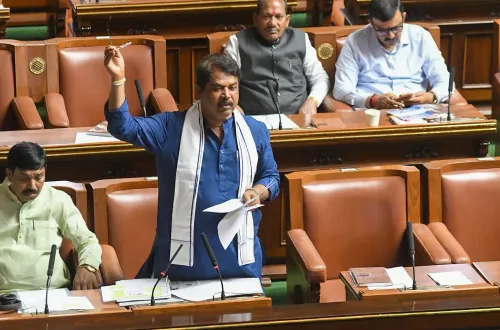
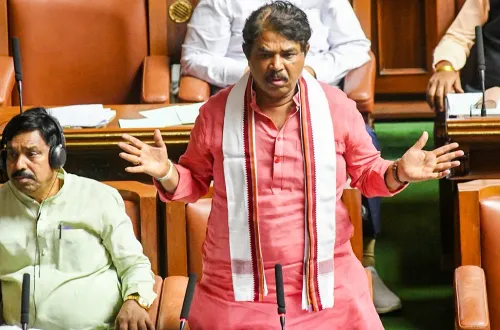
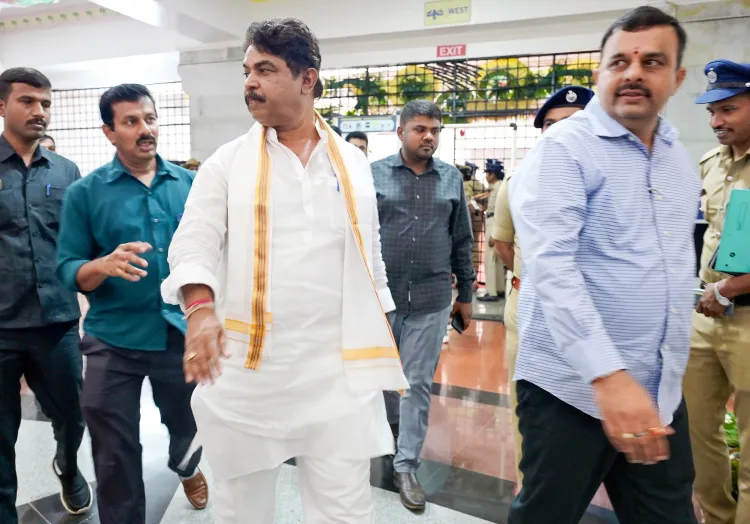
Bengaluru, Feb 2 (NationPress) The Leader of the Opposition (LoP) in the Assembly, R. Ashoka, emphasized on Monday that the Karnataka government must confront the situation regarding illegal Bangladeshi immigrants in the state with a firm approach rather than treating it as a matter of prestige.
During his address regarding the motion of thanks to the Governor's speech in the Legislative Assembly, he asserted, "Illegal immigrants are brazenly conducting business at village fairs, with some having already been apprehended. This is just the start; if not addressed decisively, it won't be long before these individuals turn to terrorism," he warned.
Ashoka proposed that the government establish a special operation aimed at deporting illegal Bangladeshi nationals, suggesting the formation of a dedicated team led by a police officer of the rank of DIG who should be empowered to act independently. He criticized politicians who are allegedly using illegal immigrants as a vote bank.
According to Ashoka, the administration should prioritize this issue as a matter of public safety rather than viewing it through a political lens. He stated, "More than 1.5 million migrants have settled in Karnataka, with over 600,000 residing in and around Bengaluru, resulting in job losses for local workers from rural areas. Some long-term residents are involved in criminal activities as well."
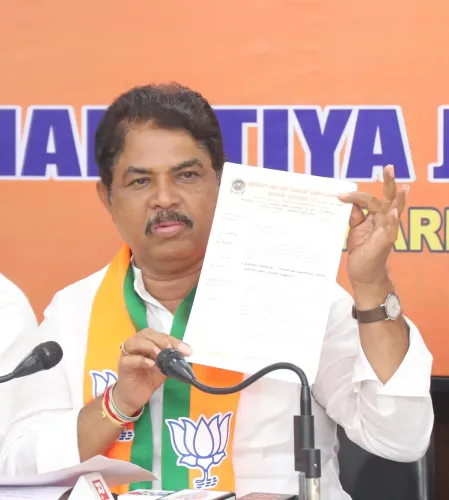
Ashoka pointed out that reports indicate the High Court denied bail to an individual caught with forged documents. It is concerning that police are filing cases against those who identify and reveal the locations of camps harboring illegal Bangladeshi nationals.
He recounted an incident where a woman was arrested for shouting slogans of “Jai Bangla” during an eviction operation. Questions have also arisen about how these migrants have settled in the Malnad district. Ashoka decried that instead of evicting illegal settlers, police have allegedly detained and harassed individuals who reported their locations.
Ashoka claimed that police are reportedly accepting monthly bribes from infiltration camps and landowners providing shelter to these migrants. He noted that illegal electricity connections have also been supplied to these settlements.
Many of the migrants are involved in various jobs, including construction, salons, scrap collection, housekeeping in hospitals, and working in hotels. In the Malnad area, they are predominantly employed in coffee and tea plantations, homestays, and resorts.
Additionally, illegal Bangladeshi nationals are repurposing abandoned LPG cylinders for sale, leading to numerous incidents of gas cylinder explosions.
After illegal Bangladeshis entered the Malnad region claiming to be from Assam, there has been a marked increase in conflicts, robberies, thefts, and narcotics-related cases. Reports suggest that police have acknowledged the detrimental impact of illegal immigrants on state law and order.
In Bengaluru's Whitefield and southeastern areas, the issue of illegal immigrants has escalated. Ashoka stated that these Bangladeshis are implicated in serious crimes, including fake currency circulation and extortion while posing as rag pickers, making it increasingly difficult to track and deport them.
The influx of illegal immigrants has surged since the initiation of the Special Intensive Revision (SIR) process in West Bengal. "We are all too familiar with the consequences seen in Kashmir and other regions," he concluded.
Point of View
It is essential to recognize the complexities surrounding the issue of illegal immigration. While security and public safety must remain a priority, it is also crucial to approach the matter with a balanced perspective that considers humanitarian aspects and the socio-economic contexts involved.
NationPress
30 Sept 2026
Frequently Asked Questions
What is the current stance of the Karnataka government on illegal immigrants?
The Karnataka government is urged to take a more aggressive stance against illegal immigrants, as highlighted by R. Ashoka, who believes it should be treated as a priority issue.
What issues have arisen due to illegal Bangladeshi immigrants in Karnataka?
Issues include job displacement for local workers, involvement in criminal activities, and rising conflicts and threats to public safety.
How many illegal Bangladeshi immigrants are reportedly in Karnataka?
There are claims that over 1.5 million migrants have settled in the state, with a significant concentration in Bengaluru.
What actions does Ashoka suggest to address the issue?
He suggests forming a special task force led by a senior police officer to deport illegal immigrants effectively and to prioritize the issue for public safety.
What impact have illegal immigrants had on local communities?
Local communities have faced job losses and increased criminal activities, leading to concerns about law and order.