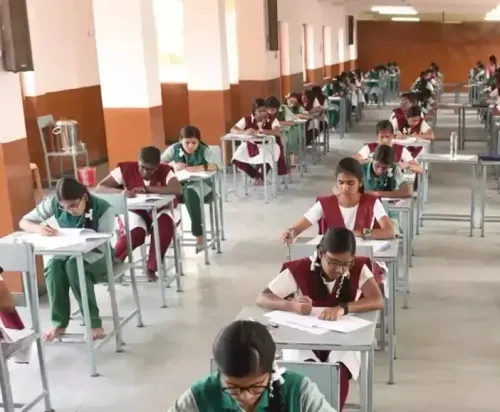
Karnataka Implements Grading System for Class 10 Third Language, Eliminates Pass-Fail Criteria
Synopsis
In a groundbreaking reform, Karnataka’s education minister has announced the introduction of a grading system for the Class 10 third language, eliminating the traditional pass-fail system. This initiative aims to ease academic pressure on students and promote holistic learning.
Key Takeaways
Karnataka's education reforms aim to reduce student stress.
The third language will now be graded instead of using a pass-fail system.
Moral Science classes will be introduced with free textbooks.
Parents are encouraged to monitor their children's social media usage.
The government plans to conduct three annual examinations to help students retain their best scores.
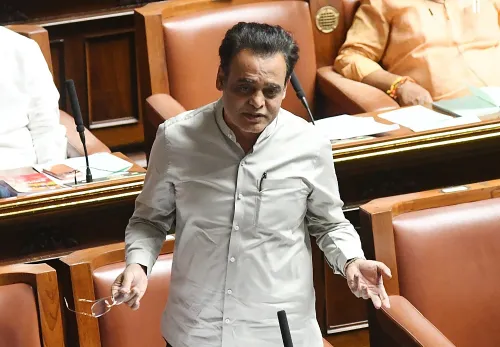
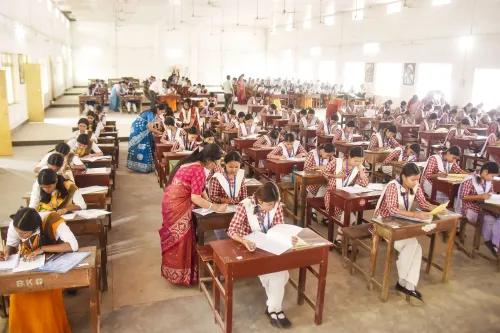
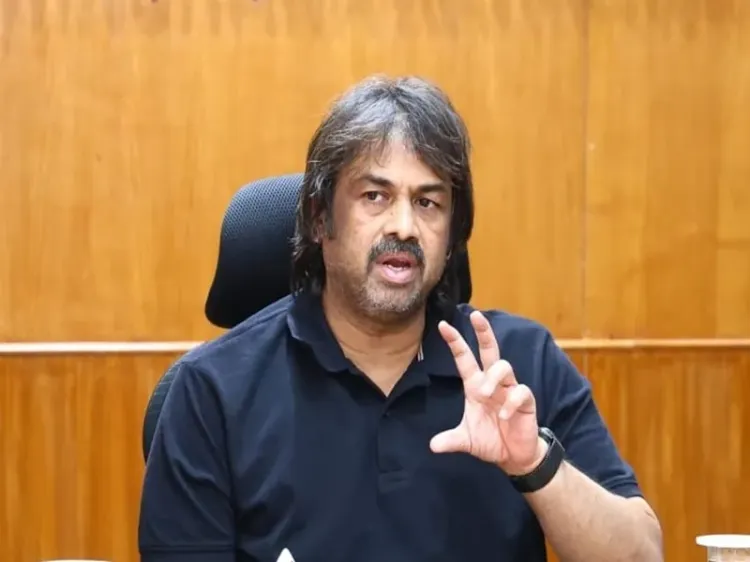
Bengaluru, March 27 (NationPress) In a significant effort to alleviate academic stress for SSLC students in Karnataka, School Education and Literacy Minister S. Madhu Bangarappa unveiled a series of reforms on Friday.
During a press conference following the Assembly session, the minister announced that the ‘third language’ component of SSLC examinations will now be evaluated using a grading system.
Minister Bangarappa stated, “Previously, 100 marks were assigned to the third language out of a total of 625 marks. Moving forward, there will be no pass or fail assessment for this language. Consequently, the scores obtained in the third language will not impact the final results. Instead, students will receive grades such as A, B, C, or D.”
This new regulation will encompass all third languages taught in the curriculum, including Hindi, Sanskrit, Tulu, Marathi, and Arabic. An official directive regarding this initiative will be released soon.
Additionally, the minister announced the introduction of Moral Science classes for students, with the government providing free Moral Science textbooks starting this academic year. This initiative is aimed at fostering responsible citizenship.
On the topic of social media usage among students, Bangarappa mentioned that a proposal to limit access to social media platforms for children under 16 was discussed in the Assembly and garnered broad support. He stressed that addressing this issue requires the involvement of parents to monitor their children’s mobile phone usage.
“Our government’s main goal is to bolster government schools, ensure transparency, and ease the pressure of examinations on students. To achieve this, we have implemented a system of three annual examinations, allowing students to choose their best scores,” the minister elaborated, highlighting the achievements of the department and its future objectives.
He reiterated the importance of the proposal to limit social media access for children under 16, considering both mental health and future implications, noting that it received widespread backing in the Assembly. Again, he urged parents to take a more active role in overseeing their children's mobile phone usage.
Emphasizing the government's commitment, Minister Madhu Bangarappa concluded: “Our primary aim is to strengthen government schools, foster transparency, and alleviate students' exam-related stress. We have introduced a system of conducting three annual examinations, allowing students to retain their highest scores.”
Point of View
The government aims to reduce academic stress and foster a more supportive learning environment for students.
NationPress
30 Sept 2026
Frequently Asked Questions
What is the new grading system for the third language?
The third language in SSLC examinations will now be assessed using a grading system instead of a pass-fail criterion, allowing students to receive grades like A, B, C, or D.
Which languages are included in the third language category?
The third language category includes Hindi, Sanskrit, Tulu, Marathi, and Arabic, among others.
What other reforms were announced alongside the grading system?
The introduction of Moral Science classes and free textbooks for students was also announced to promote responsible citizenship.
How will the changes affect students' final results?
Marks obtained in the third language will no longer count towards the final result, as students will be awarded grades instead.
What measures are being taken regarding social media usage among students?
A proposal to restrict social media access for children under 16 was discussed, emphasizing the need for parental involvement in monitoring usage.