What Are the Winter Challenges Facing Kashmiris?
Synopsis
As Jammu and Kashmir braces for a harsh winter, residents face challenges like severe cold temperatures, deteriorating air quality, and alarming water level declines. With no significant precipitation expected, Kashmiris must prepare for the impending 'Chillai Kalan,' a 40-day period of extreme cold. Discover how these factors are impacting daily life in the Valley.
Key Takeaways
Severe cold temperatures affecting daily life in Kashmir.
Air quality deterioration linked to prolonged dry weather.
Health experts advise residents to protect themselves from cold air.
Water levels in rivers and lakes are critically low. 'Chillai Kalan' represents a challenging winter period.
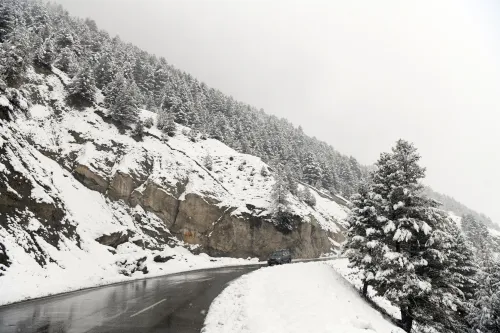
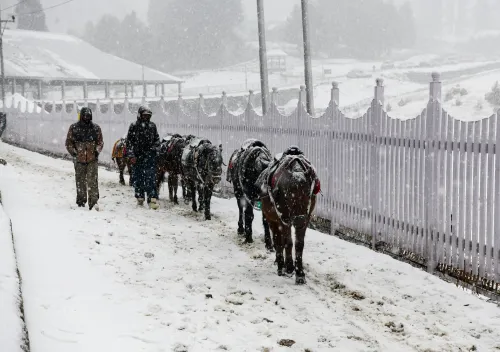
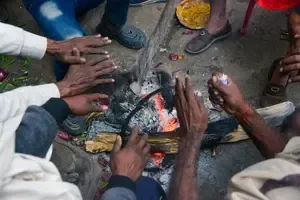
Srinagar, Dec 12 (NationPress) The biting cold continues to grip Jammu and Kashmir, with no significant rain or snowfall anticipated until the month's end. The minimum temperatures remain well below freezing across the Valley.
The city of Srinagar recorded a chilling -3.6 degrees Celsius, while Pahalgam saw -4.6 and Gulmarg was at 0.
In contrast, Jammu city experienced a relatively warmer 8.5 degrees Celsius, with Katra at 9.4, Batote 6.3, Banihal 4.2, and Bhaderwah 1.9.
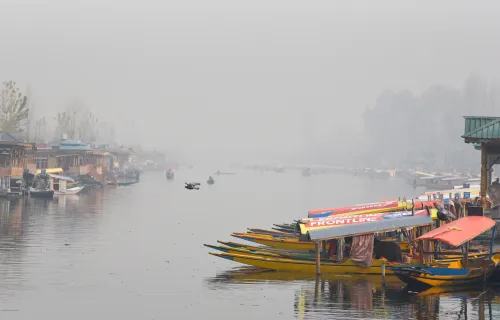
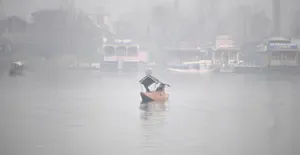
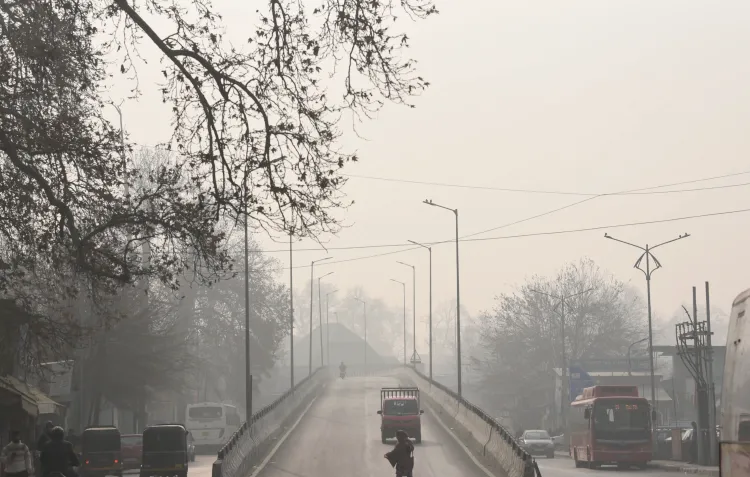
This prolonged dry spell has led to multiple challenges in Kashmir. The absence of precipitation has caused suspended particulate matter (SPM) to combine with low-lying fog, particularly around Srinagar, resulting in smog.
This deterioration in air quality has negatively affected many residents, leading to an increase in chest-related illnesses aggravated by the cold. Health experts are advising individuals to minimize direct exposure to the cold air by donning warm clothing, especially mufflers to shield their necks and faces when venturing outside in the mornings and evenings.
Those suffering from chronic chest conditions, like chronic obstructive pulmonary disease (COPD), are deemed the most susceptible during this harsh winter weather.
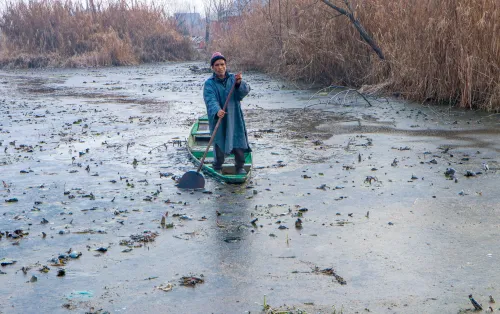
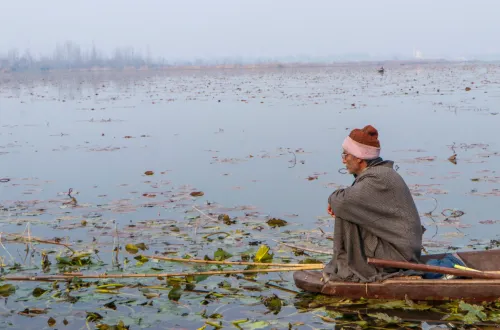
Additionally, water levels across rivers, lakes, streams, wells, and springs in the Valley have significantly dropped, with the Jhelum River, which traverses the region from south to north, nearly depleted.
The Meteorological (MeT) Department has not forecasted any rain or snow shortly. Apart from a couple of weak Western Disturbances that may yield isolated precipitation in the higher altitudes of Jammu and Kashmir, the likelihood of substantial snowfall before month-end appears bleak, stated Mukhtar Ahmad, Director of MeT.
The harsh winter period known as ‘Chillai Kalan’ spans 40 days, commencing on December 21 and concluding on January 30.
During this time, many water bodies in the Valley partially freeze, and the temperature gap between maximum and minimum readings diminishes, leading to extreme cold conditions.
Point of View
The challenges faced by the residents of Jammu and Kashmir during winter highlight the pressing issues of climate variability and its impact on health and the environment. As an editorial body, we remain committed to covering these developments and advocating for solutions that benefit the community.
NationPress
19 Sept 2026
Frequently Asked Questions
What is the current temperature in Kashmir?
The current temperature in Srinagar is recorded at -3.6 degrees Celsius, with other areas like Pahalgam and Gulmarg experiencing even colder temperatures.
Why is air quality deteriorating in Srinagar?
The lack of rain and snow has led to a mix of suspended particulate matter with low-lying fog, creating smog and worsening air quality.
What is 'Chillai Kalan'?
'Chillai Kalan' is a 40-day period of extreme winter cold in Kashmir, starting on December 21 and ending on January 30.
How are residents coping with the cold?
Health experts recommend that residents avoid direct exposure to cold air and wear warm clothing, especially mufflers, to protect against the harsh conditions.
Are there any forecasts for snowfall soon?
The Meteorological Department has not predicted any significant snowfall in the near future, with only weak disturbances expected.