Kashmiri Activist Javed Beigh Exposes Pakistan's Terrorism and Human Rights Violations
Synopsis
At the recent UNHRC session, Javed Beigh, a Kashmiri activist, unveiled shocking instances of terror attacks and human rights violations in Pakistan-Occupied Jammu and Kashmir and Khyber Pakhtunkhwa, urging global accountability for these atrocities.
Key Takeaways
Javed Beigh raised concerns over terror attacks and human rights violations at the UNHRC.
Highlighted the role of Lashkar-e-Taiba and The Resistance Front (TRF) .
Discussed severe issues in Pakistan-Occupied Jammu and Kashmir (PoJK) .
Reported atrocities in Khyber Pakhtunkhwa , including civilian casualties.
Both activists called for international accountability and action.
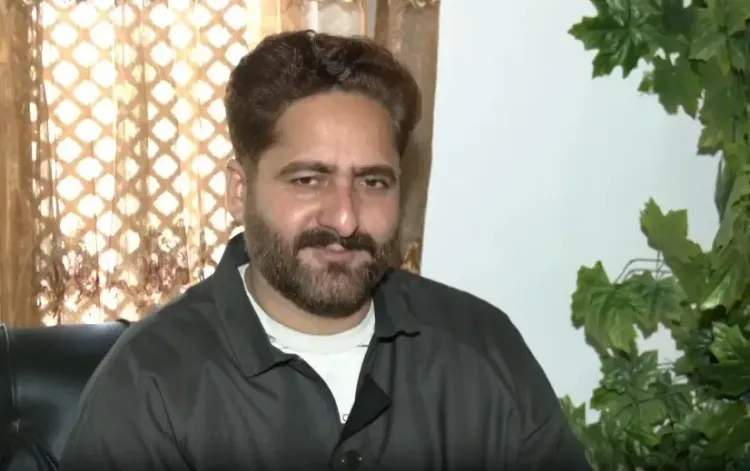
Srinagar, March 24 (NationPress) Javed Beigh, a notable human rights advocate and Kashmiri activist from Budgam, Jammu and Kashmir, raised alarming issues regarding numerous terror incidents and severe human rights abuses during the 61st session of the United Nations Human Rights Council (UNHRC) in Geneva.
In an interview with IANS, Beigh elaborated on three critical areas of concern, namely recent terror attacks in Pahalgam and Delhi, ongoing violations in Pakistan-Occupied Jammu and Kashmir (PoJK), and the atrocities occurring in Pakistan's Khyber Pakhtunkhwa region.
Regarding the recent Pahalgam terror incident, the Kashmiri activist explained how Lashkar-e-Taiba executed the attack, deliberately targeting innocent individuals based on their religious affiliation.
He also revisited the November blast incident in Delhi, highlighting how numerous children from Kashmir had been radicalised through various channels orchestrated by handlers across the border—a well-established fact he emphasized.
He firmly placed the blame on the Pakistani establishment, stating that The Resistance Front (TRF) had taken responsibility for these terror activities.
He urged that Pakistan must cease its terrorism sponsorship, warning of impending global isolation if it does not.
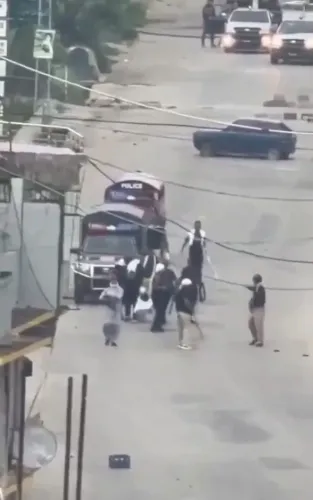
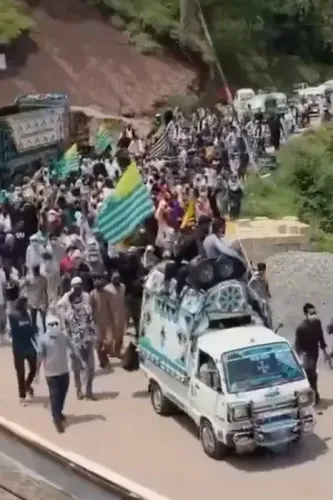
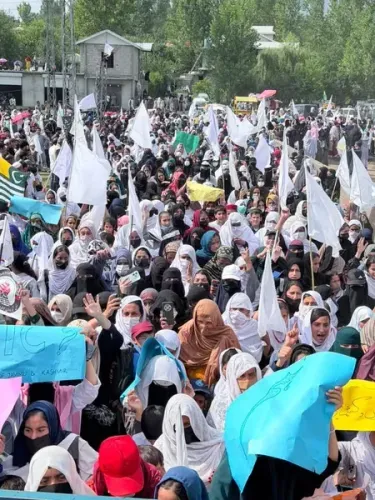
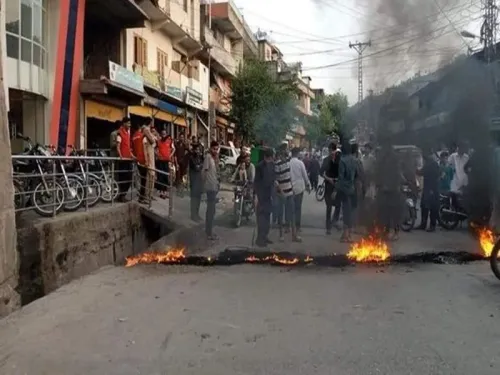
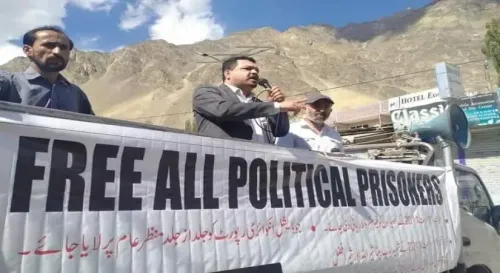
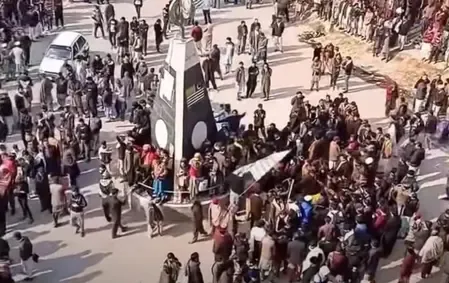
Shifting focus to PoJK, Beigh illuminated the severe human rights violations gripping the region, including the suppression of public protests and the stifling of legitimate civilian demands by local authorities and military forces.
He remarked that residents faced widespread governance challenges, lack of fundamental rights, and extensive human rights violations, which he has formally reported to the UNHRC.
He pointed out that the populace in PoJK has been protesting against soaring tariffs and rising costs of essential goods like food, yet their concerns have been met with state oppression.
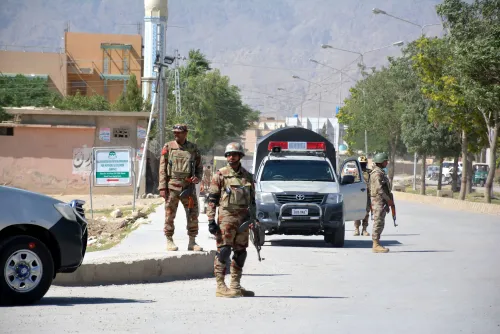
Furthermore, Beigh shed light on the atrocities in Khyber Pakhtunkhwa, where he reported that airstrikes by the Pakistan Army on civilian villages resulted in approximately 30 casualties.
Expressing deep concern over the attacks on innocent civilians and the ongoing targeting of non-combatants in conflict zones, Beigh also mentioned the tragic suicide attack on a Shia imambada in Islamabad that claimed over 100 lives, emphasizing the systematic exploitation of minority communities in Pakistan.
He detailed the alarming trend of abduction and forced conversion of young girls, who are subsequently married off to men significantly older than themselves, as a stark example of persistent religious persecution.
Meanwhile, Islamic scholar Maulana Bisharat Hussain Sakafi from Dhingla village in Poonch, who addressed the UN Human Rights Council via video link, condemned the Pakistan-backed cross-border terrorism that has resulted in more than 100 civilian deaths in Poonch between 2021 and 2023.
He characterized such killings as a contradiction to Islamic teachings, labeling it a "murder of humanity" masked as jihad.
Sakafi urged the Human Rights Council to acknowledge these atrocities and hold Pakistan accountable for its actions that violate both human rights and Islamic principles.
In their speeches, both Beigh and Sakafi called for immediate international attention and action to combat terrorism, radicalization, and human rights abuses, urging the global community to safeguard vulnerable populations and uphold essential freedoms.
Point of View
The report by Javed Beigh sheds light on the pressing issues of terrorism and human rights violations in regions affected by conflict. It is essential that the international community pays heed to these concerns and holds accountable those responsible for such grievous acts.
NationPress
22 Sept 2026
Frequently Asked Questions
What did Javed Beigh address at the UNHRC?
Javed Beigh addressed multiple terror incidents and severe human rights violations, focusing on attacks in Pahalgam and Delhi, and the situation in PoJK and Khyber Pakhtunkhwa.
Who is responsible for the terror attacks according to Beigh?
Beigh attributed the terror attacks to the Pakistani establishment, particularly highlighting the role of The Resistance Front (TRF).
What are the human rights issues highlighted in PoJK?
Beigh pointed out issues such as suppression of protests, lack of basic rights, and extensive governance challenges in PoJK.
What did Maulana Bisharat Hussain Sakafi say about cross-border terrorism?
Sakafi condemned the cross-border terrorism backed by Pakistan, which has resulted in numerous civilian deaths in Poonch.
What action did both speakers urge from the international community?
Both Beigh and Sakafi called for urgent international attention and action to counter terrorism, radicalization, and human rights abuses.