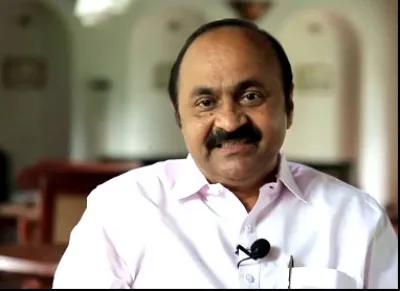
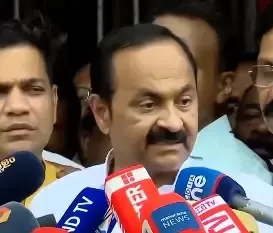
Kerala CM Satheesan alleges phone tapping, feeds false info
Synopsis
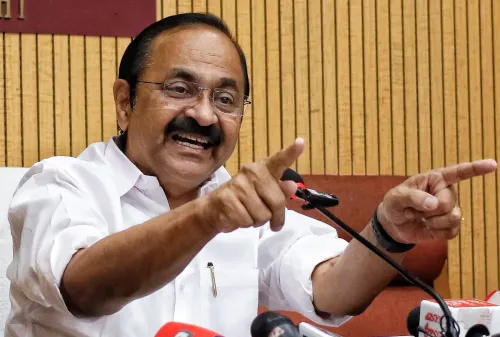
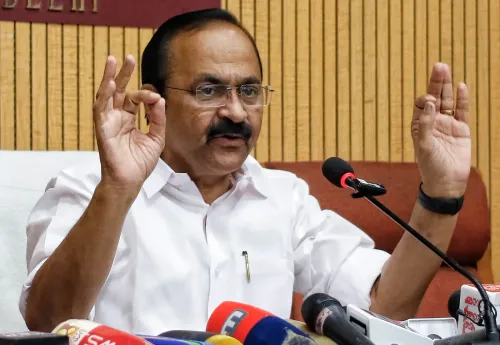
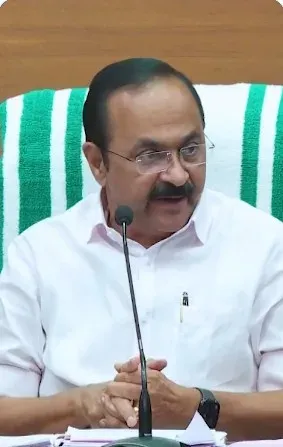
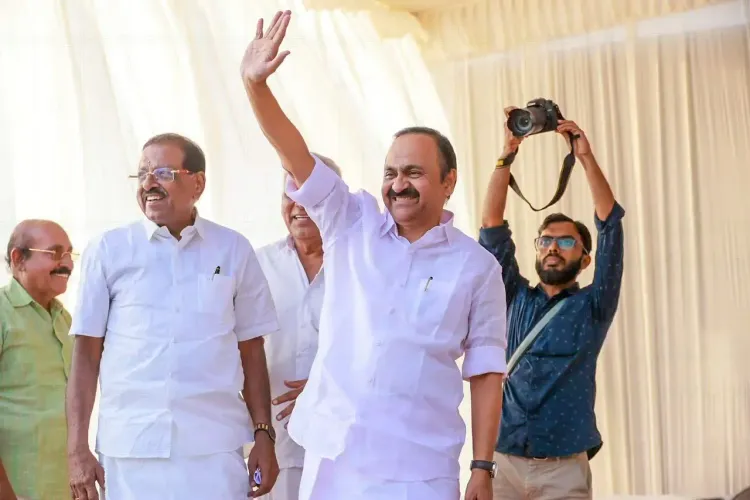
Kerala's Chief Minister says his phone is being tapped and that he deliberately feeds false information to whoever is listening. V.D. Satheesan made the claim at a Constitution Day event on fundamental rights but named no agency, so it is still unknown who is allegedly watching the state's top elected official.
Key Takeaways
Satheesan said he is under “constant surveillance” and that his phone is being tapped.
He said he deliberately alters details on calls to mislead those listening in.
The remarks were made at a Constitution Day function at Durbar Hall , Thiruvananthapuram .
Satheesan did not name any state or central agency, or any individual, behind the alleged surveillance.
Home Minister Ramesh Chennithala , who heads the state police and home department, is likely to face questions over the claim.
The claim revives the national privacy debate, which earlier centred on the Pegasus spyware row.
Kerala Chief Minister V.D. Satheesan has said he is under “constant surveillance” and that his phone is being tapped, adding that he deliberately feeds false information to those listening in. He made the remarks at a Constitution Day function at the Durbar Hall in Thiruvananthapuram, reported on 27 November 2026.
The Chief Minister did not name any agency or individual he believes is behind the alleged monitoring.
What the Chief Minister Said
Satheesan said he has grown so used to being watched that it no longer causes him any tension. The feeling, he said, follows him whether he is speaking to someone, getting into his car, or entering his house or room.
He said he knows his phone is being tapped. To counter it, he said, he deliberately changes details during phone conversations to mislead whoever is listening and keep them guessing.
He described himself as no longer bothered by the situation.
Unanswered Questions on the Alleged Surveillance
It remains unclear who is allegedly listening to the Chief Minister's calls. Satheesan did not say whether he suspects a state agency, a central agency or any other party.
Notably, phone interception in India is generally carried out by law enforcement and intelligence agencies and is subject to legal safeguards. Because the claim comes from the head of the state government, it raises questions about who could be monitoring the state's top elected official, and under what authority.
The disclosure is also likely to draw the attention of Home Minister Ramesh Chennithala, who oversees the state's police and home department. Any formal response from his department could indicate whether the government treats the remarks as a serious complaint or as an offhand comment.
Privacy Debate and the Pegasus Backdrop
The setting adds a layer of irony. Satheesan described his own alleged surveillance at an event held to highlight constitutional values and fundamental rights.
The remarks also have national relevance. They come amid earlier controversies over the alleged misuse of surveillance technology, most prominently the Pegasus spyware row, which raised questions about the monitoring of politicians, journalists and activists.
The Supreme Court has recognised the right to privacy as a fundamental right under Article 21 of the Constitution. That principle has shaped the debate over state surveillance in India ever since.
Political Significance and What Comes Next
Observers are divided on how to read the comments. Some see a light-hearted aside, others a political dig, and others a serious warning about unchecked surveillance.
His claim that he deliberately misleads those listening also raises a further question. If the monitoring is real, the people behind it may be hearing only what the Chief Minister wants them to hear.
Political pressure is likely to grow for Satheesan or the state government to say who he believes is behind the monitoring. Until then, it is unclear who is listening and what they are actually hearing.
Point of View
Ordinary citizens have little reason to trust the oversight of interception powers. By naming no agency, Satheesan protects himself politically but leaves the accountability question open. His own government, including the Home Department under Chennithala, now has to answer it. Saying he feeds tappers false information is clever as politics, but it is not a remedy. Surveillance that a Chief Minister can only dodge, not stop, is itself evidence of the problem.
NationPress
27 Nov 2026
Frequently Asked Questions
What did Kerala CM V.D. Satheesan say about surveillance?
Satheesan said he is under “constant surveillance” and that his phone is being tapped. He added that he deliberately feeds false information to those listening in to keep them guessing.
Where did Satheesan make the phone tapping remarks?
He spoke at a Constitution Day function held at the Durbar Hall in Thiruvananthapuram. The event was meant to highlight constitutional values and fundamental rights.
Who is allegedly tapping the Kerala Chief Minister's phone?
It is not known. Satheesan did not name any individual or agency, and he did not say whether he suspects a state or central body.
Why do Satheesan's remarks matter?
They raise questions about the privacy of the head of a state government and about oversight of phone interception, which is generally limited to law enforcement and intelligence agencies under legal safeguards. They also revive the debate that followed the Pegasus spyware controversy.
Is privacy a fundamental right in India?
Yes. The Supreme Court has recognised the right to privacy as a fundamental right under Article 21 of the Constitution.