Congress Accuses Kerala Cooperative Department of ₹700 Crore Scam, Calls for Election Commission Action
Synopsis
In a significant move, Congress leader Ramesh Chennithala has alleged a staggering ₹700 crore scam in Kerala's Cooperative Department, claiming the irregularities threaten the integrity of the upcoming elections. Urging swift intervention from the Election Commission, he outlines serious concerns regarding the handling of a crucial software project.
Key Takeaways
Congress alleges a ₹700 crore fraud in Kerala's Cooperative Department.
The original contract was awarded to TCS but was later canceled.
New tender conditions favored less experienced bidders.
The project cost is projected to rise significantly, indicating potential losses.
Chennithala calls for immediate intervention from the Election Commission.
Thiruvananthapuram, March 27 (NationPress) Senior Congress figure and CWC member Ramesh Chennithala has raised serious concerns regarding a staggering Rs 700-crore scam within Kerala’s Cooperative Department. He claims these irregularities are emerging as the state approaches a significant election period.
Kerala is poised to hold elections on April 9 for 140 seats in the Legislative Assembly.
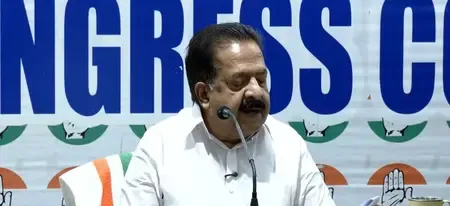
In a media briefing, Chennithala stated that the suspected fraud—potentially the largest within the state's cooperative sector—centers around a project designed to deploy a unified software system across 4,415 primary cooperative societies.
He noted that the project was originally awarded to Tata Consultancy Services (TCS) for Rs 206 crore but was later nullified under “mysterious circumstances” and re-tendered in a manner that allegedly favored less experienced companies at exorbitantly inflated prices.
To provide context, Chennithala explained that since 2016, there has been a directive for a unified core banking software system across India, in accordance with guidelines from the Reserve Bank of India (RBI) and the National Bank for Agriculture and Rural Development (NABARD), with full funding from the central government.
However, the Kerala government, led by Chief Minister Pinarayi Vijayan, decided on a customized software solution, citing the unique needs of the state's cooperative sector, he elaborated.
A high-level committee, chaired by the Chief Secretary, had designated TCS as the only qualified bidder in September 2023, leading to a formal order in April 2024 that awarded the company a Rs 206-crore contract for the project's implementation and maintenance.
Chennithala alleged that despite following all necessary protocols, the contract was suddenly revoked due to political meddling.
He further claimed that a new e-tender issued in April 2025 established “tailor-made conditions” that effectively barred established IT firms from competing. Requirements like a mandatory workforce presence in Kerala reportedly hindered companies such as TCS from participating.
According to him, only two local cooperative entities from Kannur—the Kerala Dinesh Beedi Workers Central Cooperative Society and the Malabar Information Technology Cooperative Society—submitted bids under this revised tender.
The Dinesh Beedi Cooperative reportedly proposed Rs 58 crore for software implementation across just 280 societies. “At this rate, extending the project to all 4,415 societies would escalate costs beyond Rs 900 crore, compared to the Rs 206 crore quoted by TCS—indicating a potential loss exceeding Rs 700 crore to the public treasury,” he stated.
Chennithala branded the limited participation in such a vast undertaking as “highly questionable” and alleged that this move signifies not merely financial misconduct but also a “backdoor strategy” to exert political control over the cooperative sector.
With the Model Code of Conduct currently in effect, he accused the government of attempting to gain approval from the Election Commission to expedite the tender process. He called on the election authority to intervene promptly and halt the proceedings.
Chennithala indicated that a formal complaint would be lodged and assured that a future United Democratic Front (UDF) government would annul the deal if elected.
Point of View
The allegations made by Ramesh Chennithala regarding a ₹700 crore scam in Kerala's Cooperative Department highlight significant concerns about transparency and governance, particularly as the state approaches a crucial electoral period. The call for Election Commission intervention indicates a serious apprehension about potential political manipulation within this sensitive context.
NationPress
29 Sept 2026
Frequently Asked Questions
What is the alleged scam in Kerala's Cooperative Department?
Senior Congress leader Ramesh Chennithala has alleged a ₹700 crore fraud in the Kerala Cooperative Department related to a software implementation project.
Who was initially awarded the contract for the software project?
The contract for the software project was initially awarded to Tata Consultancy Services (TCS) for ₹206 crore.
What changes were made to the tender process?
The tender process was revised with conditions that allegedly favored inexperienced bidders and excluded established IT firms like TCS.
What is the potential financial impact of this alleged scam?
Chennithala claims that the revised costs for implementing the project could exceed ₹900 crore, indicating a loss of over ₹700 crore to the government.
What actions is Congress planning to take regarding this issue?
Ramesh Chennithala stated that a formal complaint will be filed, and a future UDF government would scrap the deal if elected.