Kerala Elections: A Complex Three-Way Battle Unfolds
Synopsis
With voting imminent in Kerala's Assembly elections, the intricate dynamics among the LDF, UDF, and BJP reveal a landscape shaped by local sentiments and minority communities' choices, setting the stage for a gripping electoral showdown.
Key Takeaways
883 candidates are contesting in the Kerala elections.
The electorate consists of 2.7 crore voters.
The LDF aims to maintain power amid local discontent.
The UDF hopes to capitalize on local grievances.
The BJP is focused on increasing its relevance rather than winning outright.
Thiruvananthapuram, April 8 (NationPress) With voting set to begin in less than 24 hours across Kerala's 140 Assembly constituencies, the magnitude of this electoral event highlights its intricacy and importance.
A total of 883 candidates are competing, averaging six to seven candidates per seat, with numerous constituencies evolving into busy battlegrounds as rebels and independents join the fray.
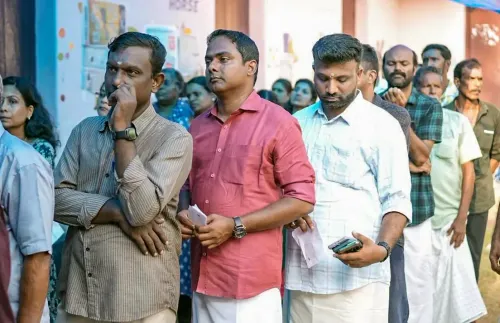
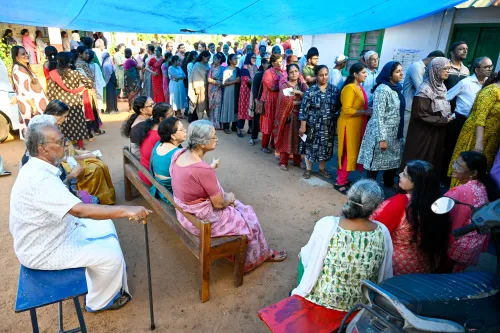
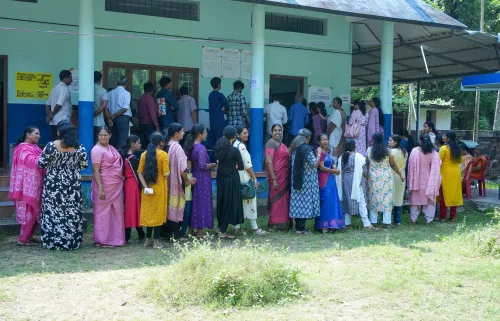
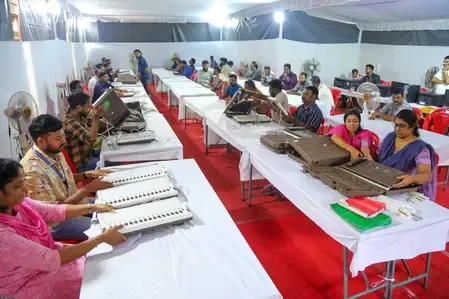
With a robust electorate of 2.7 crore voters spread across over 30,000 polling stations, this election in one of India's most politically dynamic states is poised for significant voter turnout. However, the real story transcends the numbers.
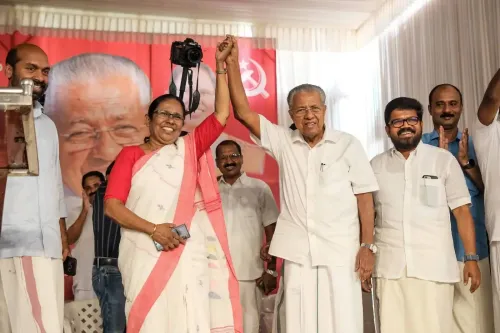
The ruling Left Democratic Front (LDF), under the leadership of Chief Minister Pinarayi Vijayan, broke the traditional pattern of alternating governments by retaining power in 2021, a shift that continues to influence the current political landscape.
Nevertheless, the pressures of a decade in power are palpable.
What emerges on the ground is not a massive backlash against the incumbent but rather localized discontent, a form of micro anti-incumbency aimed more at local leaders than the overall party leadership.
Issues such as governance fatigue, constituency-level complaints, and unmet expectations simmer just below the surface.
Each political faction is interpreting this sentiment to its advantage.
The LDF is relying on continuity, effective welfare programs, and a strong organizational framework, asserting that there is no widespread discontent against them.
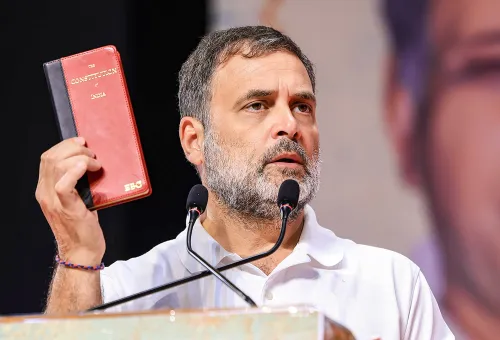
Conversely, the United Democratic Front (UDF) perceives the same situation differently, banking on a quiet, seat-by-seat transformation driven by local grievances and a bolstering of its traditional support.
For the Bharatiya Janata Party (BJP), this election is less about winning power and more focused on increasing its relevance.
In this competitive environment, even slight shifts in voter preferences could lead to significant changes in certain constituencies.
The true variable, as always in Kerala, is voter turnout.
With historical participation rates between 70 and 80 percent, even minor fluctuations can dramatically impact results across various seats.
In essence, this election is not characterized by a single narrative but rather by fine margins and diverse signals.
As voters enter polling booths, Kerala’s decision will likely emerge not from a sweeping storyline but from numerous micro-battles occurring statewide.
All three fronts recognize that their fates hinge significantly on the choices made by minority communities, particularly Muslims and Christians, who together represent around 42 percent of the electorate. This was evident in the 2024 Lok Sabha elections and the local body elections in December.
Security measures are stringent, with approximately 2,500 booths of the over 30,000 identified as sensitive, and both Central forces and units from the Tamil Nadu Police are deployed across the state.
Point of View
The outcome is expected to hinge on localized grievances rather than overarching trends. The significant role of minority communities adds another layer of complexity to the electoral landscape.
NationPress
8 Oct 2026
Frequently Asked Questions
What is the total number of candidates in the Kerala Assembly elections?
There are 883 candidates contesting in the Kerala Assembly elections.
What percentage of the electorate do Muslims and Christians represent in Kerala?
Muslims and Christians together make up around 42 percent of Kerala's electorate.
How many polling stations are set up for the elections in Kerala?
There are over 30,000 polling stations established for the elections in Kerala.
Which party is currently in power in Kerala?
The Left Democratic Front (LDF) is the ruling party in Kerala.
What is the expected voter turnout in Kerala elections?
Historical voter turnout in Kerala typically ranges between 70 and 80 percent.