Kerala proposes higher minimum wages, wider bonus cover under Labour Codes
Synopsis
Kerala is pushing back against the central Labour Codes on its own terms — a special committee's draft report, handed to CM Satheesan on 4 November, proposes expanding the minimum wage family unit from three to five members, broader bonus coverage, free medical checks for hazardous workers, and stronger state powers over lockouts and layoffs. It is a signal that Kerala intends to implement the codes without diluting its historically robust worker protections.
Key Takeaways
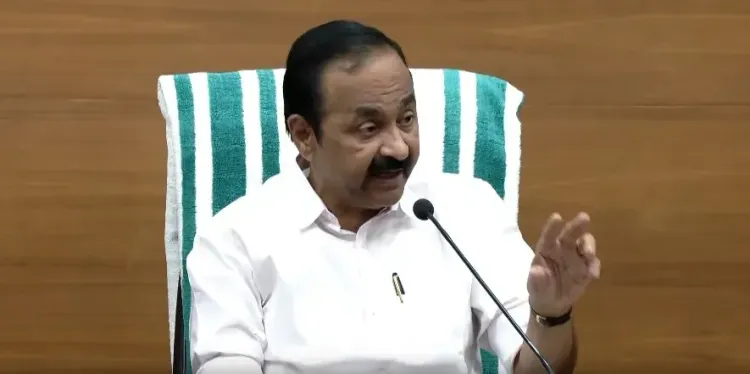
Labour Minister Bindu Krishna handed a draft recommendations report to Chief Minister V.D.
Satheesan on 4 November 2026 in Thiruvananthapuram .
The report proposes expanding the minimum wage family unit from 3 members to 5 members by including the worker's parents, raising the wage calculation base.
It recommends extending bonus and statutory benefit coverage to a larger section of Kerala's workforce.
Free medical examinations are proposed for workers in hazardous processes, along with strict safety safeguards for women on night shifts.
Amendments to lockout and layoff provisions are proposed to give the state government greater intervention powers.
The report was prepared by a special committee convened by the Labour Commissioner after ten days of discussions involving seven trade union representatives and department officials.
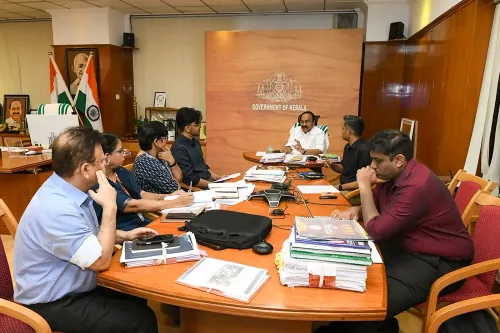
Kerala is moving to raise minimum wages and extend bonus benefits to a larger section of its workforce under its proposed state rules for implementing the central Labour Codes. A draft report carrying key recommendations was handed over to Chief Minister V.D. Satheesan by Labour Minister Bindu Krishna on Wednesday, 4 November 2026, in Thiruvananthapuram.
Key Recommendations in the Draft Report
The most significant structural proposal is a revision to the family unit used for minimum wage calculation. The existing unit of three members is proposed to be expanded to five members by including the worker's parents, which would directly raise the wage baseline and create scope for higher minimum wages across categories. The report also recommends bringing more workers under the coverage of bonus and other statutory benefits, ensuring a broader section of the workforce receives protections available under labour law.
Worker Safety and Night Shift Protections
Worker safety features prominently in the committee's recommendations. The report calls for free medical examinations for employees engaged in hazardous and dangerous work processes. It also proposes strict safety provisions for women working night shifts, with the state rules set to include specific safeguards that protect them while permitting night-hour employment. These provisions reflect longstanding demands from trade unions, particularly in sectors such as manufacturing and healthcare.
How the Committee Was Formed
The recommendations were prepared by a special committee constituted at a meeting chaired by Chief Minister Satheesan on 22 October 2026. The panel was convened by the Labour Commissioner and included the Law Department Additional Secretary, representatives of seven trade unions, and Labour Department officials. The committee concluded its work after ten days of deliberations, examining the concerns of both the state government and trade unions over the Labour Codes. Earlier, state-level amendments had been examined by the Justice Gopal Gowda Committee, which submitted recommendations on necessary legal changes.
Lockout and Layoff Amendments Proposed
The report additionally calls for amendments to provisions relating to lockouts and layoffs, aimed at giving the state government greater powers to intervene in such situations. Critics of the central Labour Codes have long argued that the consolidation of 29 central laws into four codes risks diluting protections built over decades. Kerala's draft proposals are explicitly framed to ensure that the state's implementation does not erode existing worker safeguards on wages, welfare, and workplace safety.
What Happens Next
The draft report will now be examined by the state government as it proceeds with framing formal state rules under the Labour Codes. The process of finalising these rules will determine how effectively Kerala balances compliance with the central framework while preserving the worker-protective standards the state has historically maintained. The outcome could also serve as a reference point for other states navigating similar tensions between the central codes and existing state-level labour protections.
Point of View
Since the central codes deliberately narrow the space for state-level deviation on industrial action. Kerala's approach may become a template for other trade-union-aligned state governments watching how much flexibility the Centre will ultimately permit.
NationPress
4 Nov 2026
Frequently Asked Questions
What are Kerala's proposed changes to minimum wages under the Labour Codes?
Kerala proposes changing the family unit used to calculate minimum wages from three members to five by including the worker's parents, which would raise the wage baseline and create scope for higher minimum wages. The recommendation is part of a draft report handed to Chief Minister V.D. Satheesan on 4 November 2026.
Who prepared the draft report on Kerala's Labour Code rules?
A special committee formed at a meeting chaired by Chief Minister Satheesan on 22 October 2026 prepared the report. The Labour Commissioner convened the panel, which included the Law Department Additional Secretary, representatives of seven trade unions, and Labour Department officials who deliberated for ten days.
What worker safety measures are proposed in Kerala's Labour Code draft?
The draft recommends free medical examinations for employees engaged in hazardous and dangerous work processes. It also calls for strict safety provisions for women working night shifts, ensuring their protection while permitting night-hour employment.
What changes are proposed for lockouts and layoffs in Kerala?
The report calls for amendments to provisions relating to lockouts and layoffs that would give the Kerala state government greater powers to intervene in such situations. These changes are aimed at preventing the Labour Codes from reducing existing state-level protections for workers.
What happens next with the Kerala Labour Code recommendations?
The draft report will be examined by the state government as it proceeds to frame formal state rules under the central Labour Codes. The finalised rules will determine how Kerala balances compliance with the central framework while maintaining its historically protective labour standards.