Kerala Labour Code rules: Satheesan govt forms panel, 10-day deadline set
Synopsis
Kerala CM V.D. Satheesan has constituted a special committee with trade union representatives to draft state rules for the central Labour Codes — and given it just 10 days. With the state pushing the Centre to lower the applicability threshold and promising to protect workers' rights within legal limits, Kerala is positioning itself as a model for how states can push back on the Labour Codes framework.
Key Takeaways
Satheesan chaired a meeting on 22 October 2026 at the Thiruvananthapuram Secretariat to discuss Labour Code rule implementation.
A special committee has been formed, convened by the Labour Department Secretary , with seven trade union representatives and a 10-day deadline to submit recommendations.
The government will allow trade unions not on the panel to attend sittings and present their views before finalising the rules.
Kerala plans to urge the Central government to lower the threshold for Labour Code applicability to cover more workers.
Trade unions will also get a chance to suggest amendments to a 2021 draft before the final state rules are published.
CM Satheesan expressed hope that Kerala's rules would serve as a model for other states.
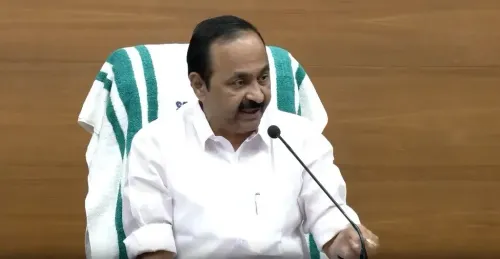
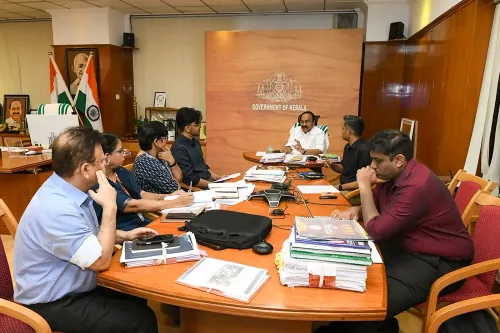
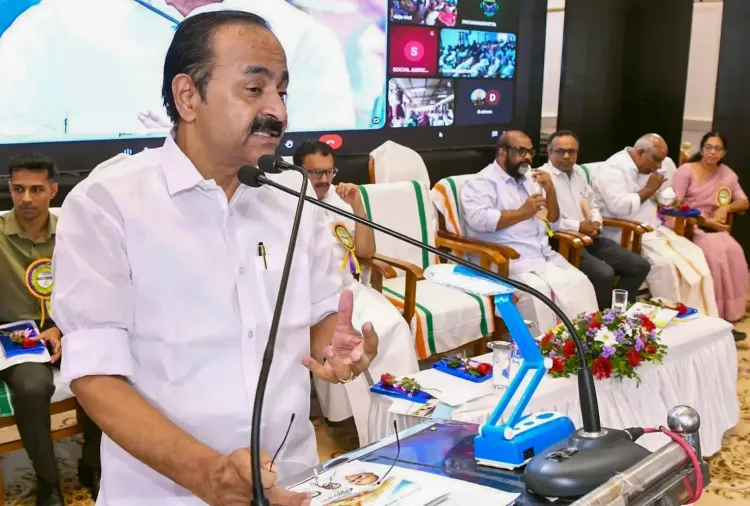
The Kerala government has decided to hold broader consultations with trade unions before finalising state rules for implementing the central Labour Codes, setting up a special committee tasked with submitting its recommendations within 10 days. The decision was taken at a high-level meeting held on Thursday, 22 October 2026, at the Secretariat in Thiruvananthapuram, chaired by Chief Minister V.D. Satheesan.
Key Decisions from the Meeting
The meeting, attended by Labour Minister Bindu Krishna and 22 trade union office-bearers, agreed to constitute a special committee convened by the Labour Department Secretary, with the Law Department's Additional Secretary as a member. The panel will include seven representatives from various trade unions alongside Labour Department officials.
Significantly, trade unions not represented on the committee will also be permitted to attend its sittings and present their views — a measure aimed at ensuring inclusivity in the drafting process. The committee's draft recommendations will be circulated to all unions before any final decision is taken.
What the Government Has Committed To
Chief Minister Satheesan made clear that the government would take a final call on implementation only after hearing all stakeholders and examining legally permissible options. He assured trade union representatives that the state was committed to protecting workers' rights and interests, and would seek to minimise any adverse impact of the Labour Codes within the applicable legal framework.
Notably, Satheesan expressed hope that the rules framed by Kerala would serve as a model for other states — signalling the government's intent to position the state as a benchmark on labour welfare.
The Centre and the Threshold Issue
One of the most contentious matters flagged at the meeting concerns the threshold prescribed for the applicability of Labour Code provisions. Kerala has decided to take up the issue with the Central government and urge it to lower this threshold — a move that could extend protections to a larger share of the workforce.
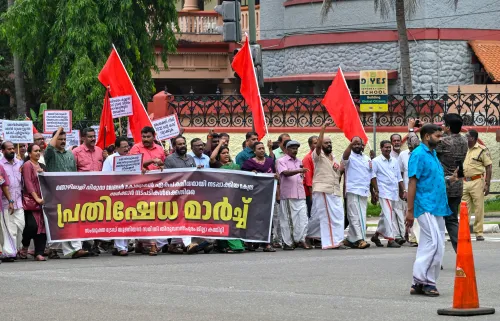
This comes amid longstanding concerns from trade unions across India that the four Labour Codes, enacted by the Centre, dilute existing worker protections and reduce the bargaining power of organised labour. Kerala's approach — seeking state-level rule modifications where legally permitted — reflects a broader pattern of states attempting to cushion the impact of the new framework.
Process and Timeline
The government will also give trade unions an opportunity to suggest amendments to a draft prepared in 2021 before rules are finalised. The final state rules will be drawn up after considering both the special committee's report and recommendations from trade unions at large.
The 10-day deadline sets a tight window for committee deliberations, though the government's own final decision on implementation is expected to follow the full consultation cycle. All participating trade unions reportedly found common ground on the need to safeguard workers' interests — a rare show of consensus in Kerala's typically fractious union landscape.
How the state navigates the legal constraints of the central Labour Codes while protecting its workforce will closely watched by both unions and other state governments in the weeks ahead.
Point of View
Which is far from guaranteed given the political divergence between Thiruvananthapuram and New Delhi. If Kerala does produce rules that meaningfully protect workers while staying legally compliant, it could pressure other Opposition-ruled states to follow — but the 10-day committee timeline is extremely tight for reforms of this consequence.
NationPress
22 Oct 2026
Frequently Asked Questions
What has the Kerala government decided on Labour Code rules?
The Kerala government has decided to hold wider consultations with trade unions before finalising state rules for implementing the central Labour Codes. A special committee with trade union representatives has been formed and given a 10-day deadline to submit its recommendations.
Who is on the special Labour Code committee in Kerala?
The committee is convened by the Labour Department Secretary, with the Law Department's Additional Secretary as a member. It includes seven representatives from various trade unions along with Labour Department officials. Trade unions not on the panel may also attend sittings and present their views.
What is Kerala's concern about the Labour Code threshold?
Kerala is concerned that the threshold prescribed for the applicability of Labour Code provisions excludes too many workers from its protections. The state has decided to urge the Central government to lower this threshold to extend coverage to a larger share of the workforce.
When will Kerala finalise its Labour Code rules?
The government's final decision will follow the full consultation process. The special committee has 10 days to submit recommendations, after which a 2021 draft will be opened for union suggestions, and final rules will be published after considering all inputs.
Why does Kerala's Labour Code approach matter for other states?
CM Satheesan has said he hopes Kerala's rules will serve as a model for other states. The state's attempt to protect workers within the legal limits of the central Labour Codes is being watched by trade unions and Opposition-ruled states across India as a potential template for state-level pushback.