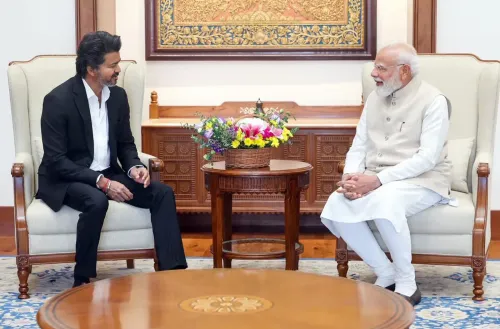
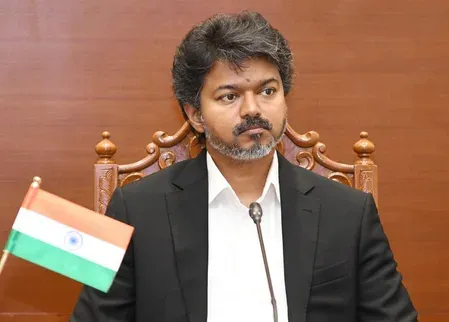
CM Joseph Vijay writes to PM Modi for Supreme Court bench in Chennai
Synopsis
Tamil Nadu Chief Minister C. Joseph Vijay has formally written to Prime Minister Narendra Modi on 4 November 2026, urging the Centre to establish a branch of the Supreme Court of India in Chennai — reviving a long-standing demand for greater judicial access in southern India.
Key Takeaways
Joseph Vijay wrote to Prime Minister Narendra Modi on 4 November 2026 seeking a Supreme Court bench in Chennai .
The letter was formally announced by the Chief Minister's Office of Tamil Nadu on the official CMO account on X.
The demand for a regional Supreme Court bench in southern India is backed by prior resolutions of the Tamil Nadu Legislative Assembly .
The Supreme Court of India is currently headquartered exclusively in New Delhi , creating significant geographic and financial barriers for litigants from southern states.
The proposal has featured in parliamentary debates and judicial reform discussions for decades without resulting in a new bench being established.
The key next step is a formal response from the Prime Minister's Office or a referral to a Law Commission review on judicial infrastructure.
A formal letter from Tamil Nadu's Chief Minister to the Prime Minister of India has reignited one of the country's most persistent judicial reform debates: should the Supreme Court of India establish a regional bench in Chennai? The Chief Minister's Office of Tamil Nadu announced on Wednesday, 4 November 2026 that Chief Minister C. Joseph Vijay has written to Prime Minister Narendra Modi, urging the Centre to take appropriate steps to set up a branch of the apex court in the state capital.
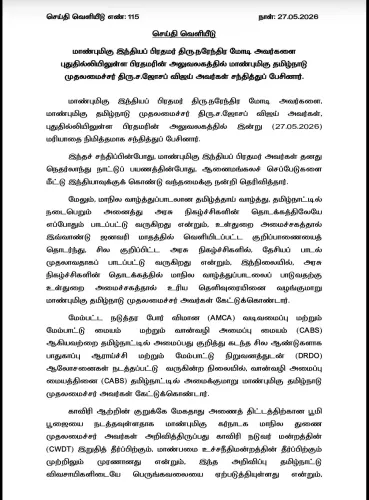
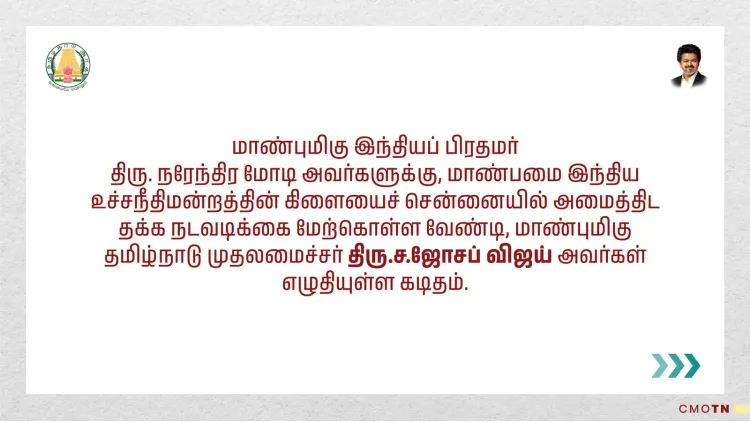
The post, shared in Tamil, states: 'The letter written by Honourable Tamil Nadu Chief Minister Mr. C. Joseph Vijay to Honourable Prime Minister Mr. Narendra Modi, requesting that appropriate steps be taken to establish a branch of the Honourable Supreme Court of India in Chennai.' The hashtag #CMJosephVijay accompanied the announcement, alongside three images — presumably of the letter itself.Why Chennai, and why now
The demand is not new — it carries decades of political and legal weight. The Supreme Court of India, headquartered in New Delhi, is the sole apex constitutional court in a country of over 1.4 billion people spread across a subcontinent. For litigants in the southern states, the journey to Delhi — in cost, time, and logistical burden — is a significant barrier to justice. Tamil Nadu's Legislative Assembly has previously passed resolutions urging a Supreme Court bench for southern India, making this latest letter a continuation of a long-standing legislative consensus within the state.
The legal fraternity in Tamil Nadu and neighbouring states has consistently argued that geographic concentration of the apex court in Delhi creates structural inequity. A litigant from Chennai, Madurai, or Thiruvananthapuram faces a vastly different burden compared to one filing from Mumbai or Delhi — both in terms of legal costs and physical accessibility.
A reform debate that has outlasted multiple governments
Proposals for Supreme Court benches in different regions have surfaced in parliamentary debates and judicial reform discussions across multiple decades, without translating into new benches. Law Commission reports have periodically examined judicial infrastructure and access to justice, and the subject of regional Supreme Court benches has been part of that conversation. Yet the institutional and constitutional complexities involved — including questions about the court's collegiate structure and the uniformity of legal interpretation — have kept the proposal in the reform 'pending' tray.
Chief Minister Vijay's letter now puts the demand formally back on the Centre's desk, addressed directly to Prime Minister Modi. The key watch point is whether the Prime Minister's Office responds substantively or whether the matter is referred to a future Law Commission examination of judicial infrastructure.
One letter cannot move a mountain alone — but every serious reform in Indian judicial history has started with someone insisting, in writing, that the mountain move.
Point of View
Not merely a legal procedural matter. At the national level, any positive signal from the PMO would have cascading implications for judicial federalism, since several other states have made similar requests. The absence of action thus far reflects not a lack of political will alone, but deep structural debates about whether regional benches could fragment the uniformity of constitutional interpretation.
NationPress
4 Nov 2026
Frequently Asked Questions
What has Tamil Nadu CM Joseph Vijay requested from PM Modi?
Chief Minister C. Joseph Vijay has written to Prime Minister Narendra Modi requesting that appropriate steps be taken to establish a branch of the Supreme Court of India in Chennai, Tamil Nadu.
Why is Tamil Nadu demanding a Supreme Court bench in Chennai?
Litigants in southern India face substantial financial, logistical, and time-related barriers in accessing the Supreme Court, which is headquartered exclusively in New Delhi. A regional bench in Chennai would significantly improve access to justice for people across southern states.
Has Tamil Nadu made this demand before?
Yes. The Tamil Nadu Legislative Assembly has passed resolutions in prior years urging the establishment of a Supreme Court bench for southern India, making this letter a continuation of a long-standing legislative and political consensus within the state.
Has the Supreme Court ever had regional benches in India?
The Supreme Court of India has remained headquartered solely in New Delhi since its establishment. Proposals for regional benches have featured in parliamentary debates and Law Commission discussions for decades, but no additional benches have been created to date.
What happens next after CM Vijay's letter to PM Modi?
The key development to watch is a formal response from the Prime Minister's Office or a referral of the matter to a Law Commission review on judicial infrastructure and access to justice.