Will the Kerala HC's Decision Impact Vijayan Government's Employee Regularisation Plans?
Synopsis
The Kerala High Court's recent ruling has put the brakes on the Vijayan government's plan to regularise employees, igniting political controversy just before the elections. With prior setbacks in the local elections, this decision raises questions about the government's future stability.
Key Takeaways
The Kerala High Court has temporarily halted employee regularisation plans.
This decision could impact the Vijayan government ahead of Assembly elections.
The court emphasized compliance with previous rulings regarding temporary appointments.
The regularisation plan covered various public sector roles.
Political controversies surround the beneficiaries of this plan.
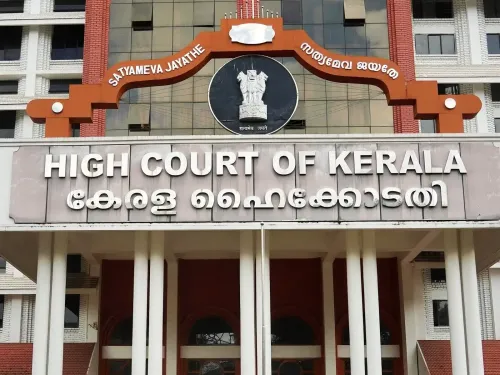
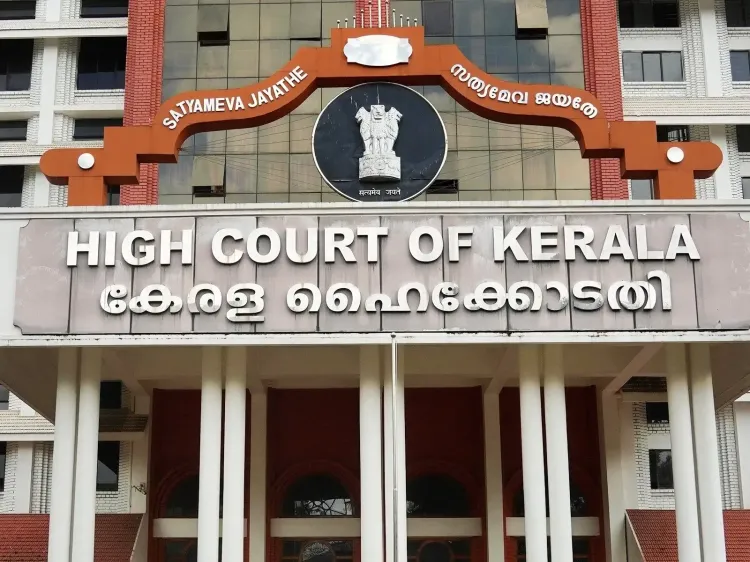
Kochi, Feb 20 (NationPress) In a notable blow to the state administration, the Kerala High Court has temporarily halted the initiative to regularise employees who have been serving for over a decade on a daily wage and contract basis across government-controlled Public Sector Undertakings, autonomous entities, and the Kerala Kalamandalam. With the Assembly elections approaching, this development has taken the Vijayan government by surprise.
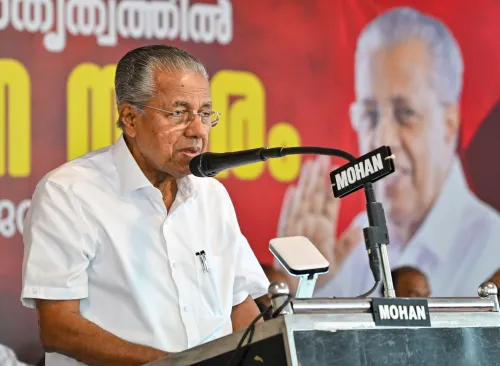
After suffering significant losses in the local body elections held last December, the reputation of the state government has taken a hit, prompting CM Vijayan to strive for stability.
On February 17, the High Court issued another setback by suspending an ongoing survey intended to assess public sentiment.
The court ruled that no temporary appointments would be regularised beyond September 2025.
This decision came while addressing a petition that claimed the government’s new effort to provide permanent status to temporary employees breached a prior court order.
In 2021, just before the first Pinarayi Vijayan government left office, the mass regularisation of temporary staff had faced legal challenges.
The court had previously decided that only those appointed against sanctioned positions could be regularised, and no further regularisations should proceed.
The current petition argued that the latest move is tantamount to contempt of court.
Two weeks ago, the court mandated the Chief Secretary to submit an affidavit regarding this issue.
The regularisation plan encompassed positions in gram panchayats, municipalities, cultural institutions, panchayat libraries, bal mandirs, and nursery schools.
Individuals working on an honorarium or daily wage basis—including librarians, nursery teachers, and ayahs with at least ten years of continuous service—were to be integrated as part-time contingent employees.
The Cabinet had also approved the permanent status for those initially appointed as part-time via the Employment Exchange and later transitioned to daily wage roles.
This proposal has stirred political debate, with accusations that numerous beneficiaries are related to or are supporters of the ruling party.
Point of View
The recent ruling by the Kerala High Court highlights critical issues surrounding governance and the rule of law. It raises questions about the balance between political expediency and judicial oversight. As the situation unfolds, it will be crucial to monitor how this decision impacts both the government and the affected employees.
NationPress
26 Sept 2026
Frequently Asked Questions
What did the Kerala High Court rule regarding employee regularisation?
The Kerala High Court stayed the government's initiative to regularise employees working for over a decade on a daily wage and contract basis, stating that no temporary appointees shall be regularised after September 2025.
Why is this ruling significant?
This ruling is significant as it comes just before the Assembly elections, potentially affecting the ruling party's image and stability in governance.
What prompted the High Court's decision?
The decision was prompted by a petition claiming that the government's move to grant permanent status to temporary employees violated an earlier court directive.
What types of positions were included in the regularisation proposal?
The regularisation proposal included positions in gram panchayats, municipalities, cultural institutions, panchayat libraries, bal mandirs, and nursery schools.
What are the accusations surrounding the regularisation plan?
There are allegations that many beneficiaries of the regularisation plan are family members or sympathisers of the ruling party.