Kerala LDF liquor policy under fire: 900 bars, Bacardi deal contradict CPI-M's stance
Synopsis
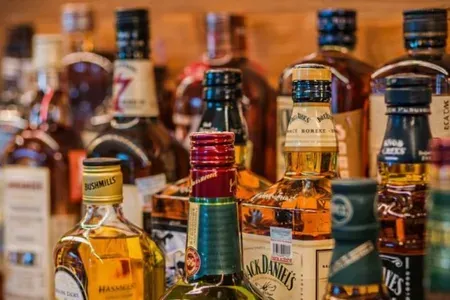
Official documents reveal Kerala's bar count surged from 29 to over 900 under two consecutive LDF terms — even as the CPI-M publicly championed regulated reduction of alcohol consumption. Add a Bacardi lobbying trail dating to 2017 and 22 bar licences granted in the final 72 days before elections, and the Congress now has the numbers to demand a Vigilance probe.
Key Takeaways
Kerala's bar count rose from 29 in 2016 to over 900 by the end of two consecutive LDF terms.
22 new bar licences were granted in the 72 days before the recent Assembly elections, with approvals continuing until the eve of the Model Code of Conduct.
Documents suggest Bacardi lobbied successive LDF governments since 2017 for regulatory changes, making representations directly to Excise Ministers.
Files linked to then Excise Minister M.V.
Govindan reportedly justify the low-alcohol beverage policy on harm-reduction grounds, not farmer support.
Satheesan cited these figures in the Kerala Assembly ; the Congress is seeking a Vigilance probe .
The CPI-M has rejected all allegations, maintaining its policy was guided by public interest.
The previous Left Democratic Front (LDF) government in Kerala, led by Pinarayi Vijayan, is facing renewed scrutiny over its liquor policy, with official documents and administrative records contradicting the Communist Party of India (Marxist) (CPI-M)'s long-standing public position that it pursued regulated reduction of alcohol consumption rather than expansion. The disclosures, surfacing in Thiruvananthapuram, centre on the grant of bar licences and the entry of multinational liquor company Bacardi into Kerala's low-alcohol beverage market.
The Two Key Decisions Under Scrutiny
The first controversy involves the grant of 22 new bar licences in the 72 days immediately preceding the recent Assembly elections, with approvals continuing until the eve of the Model Code of Conduct coming into force on 9 April. The second centres on policy changes that allegedly opened Kerala's market to Bacardi's ready-to-drink, low-alcohol products, even as the state government publicly framed the move as an initiative to support fruit farmers.
Official policy documents indicate that the provision permitting wine production from agricultural produce and the clause allowing the sale of low-alcohol beverages were, in fact, separate measures. The Indian National Congress (Congress), however, alleges that the two were deliberately presented as a single farmer-centric initiative, creating a misleading impression that the policy would generate demand for locally grown fruits.
The Bacardi Lobbying Trail
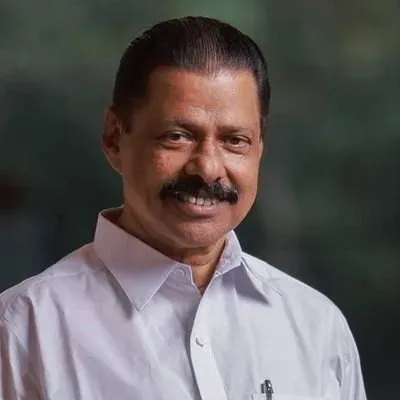
Documents reportedly suggest that Bacardi had been lobbying successive LDF governments since 2017 for regulatory changes, with the company allegedly making representations directly to Excise Ministers before favourable departmental studies were initiated. Files relating to the tenure of then Excise Minister M.V. Govindan — now the State CPI-M Secretary — reportedly justify the policy shift not on farmer-support grounds but on the argument that promoting beverages with approximately 20 per cent alcohol content over conventional 42 per cent liquor would help moderate overall consumption.
Critics argue this rationale contradicts the party's public messaging, which had consistently emphasised restraint and social responsibility in alcohol policy.
The Numbers Tell a Different Story
The statistical record sharpens the contradiction. When the United Democratic Front (UDF) government under then Chief Minister Oommen Chandy demitted office in 2016, Kerala had approximately 29 functioning bars, following restrictions the UDF itself had introduced. By the time the LDF completed two consecutive terms in office, that figure had crossed 900, after bar licences were extended to hundreds of three-star and four-star hotels. The previous LDF government also extended bar operating hours from 11 pm to midnight.
Notably, the CPI-M had been among the most vocal critics of the UDF's liquor policy during the Oommen Chandy years, even as it maintained that outright prohibition was impractical and that scientific regulation was the appropriate approach.
Assembly Confrontation and Congress Probe Push
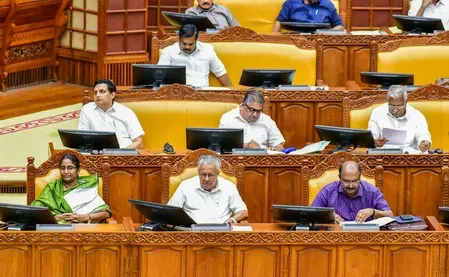
Chief Minister V.D. Satheesan recently cited these figures on the floor of the Kerala Assembly, accusing the CPI-M of abandoning the principles it had once publicly championed. The Congress is now compiling documents to seek a Vigilance probe into both the bar licence grants and the policy decisions surrounding low-alcohol beverages.
The CPI-M has rejected the allegations, insisting that its liquor policy throughout its decade in office was guided by public interest. As the political confrontation deepens, the debate has shifted beyond individual decisions to what critics describe as a structural contradiction between the Left's public advocacy of controlled consumption and the expansive liquor ecosystem that took shape under its watch.
How the Vigilance probe demand plays out — and whether the new government orders an independent review — will determine whether this remains a political argument or becomes a formal accountability process.
Point of View
Not partisan allegation. A party that built its opposition credentials partly on attacking the UDF's liquor liberalisation presided over a near-thirty-fold expansion in bar numbers — a contradiction that no amount of 'public interest' framing can easily paper over. The Bacardi lobbying trail, if corroborated, raises a more serious question: whether regulatory decisions in a sensitive sector were shaped by corporate access rather than policy rationale. The Congress's Vigilance probe demand is politically motivated, but the underlying numbers give it traction that pure rhetoric would not.
NationPress
26 Sept 2026
Frequently Asked Questions
What is the Kerala LDF liquor policy controversy about?
The controversy centres on a sharp gap between the CPI-M's public stance of reducing alcohol consumption through regulation and the actual policy record of the previous LDF government, under which Kerala's bar count rose from roughly 29 in 2016 to over 900. Documents have also surfaced linking the entry of Bacardi's low-alcohol products to alleged corporate lobbying of successive LDF governments since 2017.
How many bar licences were granted before the Kerala Assembly elections?
According to reports, 22 new bar licences were granted in the 72 days immediately preceding the recent Assembly elections, with approvals continuing until the eve of the Model Code of Conduct coming into effect on 9 April.
What is the allegation against Bacardi's entry into Kerala's market?
The Congress alleges that policy changes permitting the sale of low-alcohol beverages — which benefited Bacardi's ready-to-drink products — were publicly presented as a farmer-support initiative but were, according to official documents, actually justified on harm-reduction grounds. Documents reportedly show Bacardi had been lobbying Excise Ministers directly since 2017 before favourable departmental studies were initiated.
What action is the Congress seeking over the liquor policy?
The Congress is compiling official documents to demand a Vigilance probe into both the grant of bar licences and the policy decisions surrounding low-alcohol beverages. Chief Minister V.D. Satheesan has already raised the issue on the floor of the Kerala Assembly.
How has the CPI-M responded to these allegations?
The CPI-M has rejected all allegations, maintaining that its liquor policy throughout its decade in office was guided by public interest. The party has not publicly addressed the specific documents cited by the Congress or the reported Bacardi lobbying trail.