Kerala liquor row: CPI-M defends LDF policy as religious leaders urge caution
Synopsis
Kerala's liquor tax row is no longer just a fiscal debate — it has drawn in the CPI-M, religious bodies, and coalition fault lines simultaneously. CPI-M's Govindan is defending a past policy while questioning the current government's process, and with both the Archbishop of Thalassery and Samastha now vocal, the Satheesan government faces pressure from multiple directions before it can finalise its position.
Key Takeaways
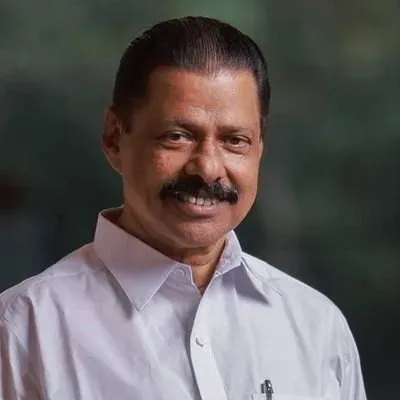
CPI-M State Secretary M.V.
Govindan defended the LDF's earlier low-alcohol beverage policy on 26 June , distinguishing it from the current tax-reduction proposal.
Govindan said companies including Bacardi approached the government only after the LDF policy was in place, seeking distribution rights.
He criticised the Satheesan government for reportedly placing the file before the Chief Minister within three days of taking office and for including it in the Budget without coalition consultations.
Samastha (EK faction) President Syed Jifri Muthukoya Thangal reiterated Islam's prohibition on liquor while acknowledging that policy is the elected government's prerogative.
Archbishop Mar Joseph Pamplany of Thalassery welcomed wider consultations but cautioned against any policy that could be seen as encouraging substance abuse.
The Kerala government is expected to consult coalition partners before taking a final call on the proposal.
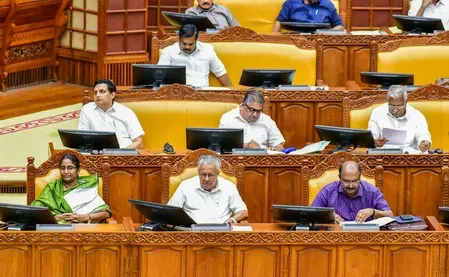
The political controversy surrounding Chief Minister V.D. Satheesan's proposal to reduce tax on low-alcohol beverages deepened on Friday, 26 June, as the Communist Party of India (Marxist) mounted a pointed defence of its earlier liquor policy while religious leaders across Kerala called for broader consultations before any final decision is taken.
CPI-M Draws Line Between Past Policy and Present Proposal
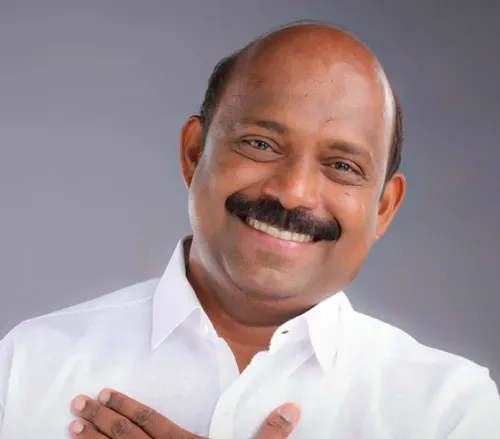
CPI-M State Secretary M.V. Govindan, speaking to reporters in New Delhi, sought to clearly separate the Left Democratic Front (LDF) government's earlier framework from the current tax-revision proposal. He stated that the LDF's intent had never been to benefit multinational liquor corporations, but rather to promote value-added processing of agricultural produce — including cashew, apples, and other farm commodities — in ways that would directly improve farmers' incomes.
Govindan confirmed that the concept of producing low-alcohol beverages was embedded in the LDF government's policy during his own tenure as Excise Minister. He noted that companies including Bacardi approached the government only after the policy was already in place, seeking distribution rights — not the other way around. The LDF's emphasis, he maintained, was on locally sourced raw materials, not on facilitating branded multinational products.
Govindan Draws Distinction on Timing and Process
Govindan was careful to clarify that he had already vacated the Excise portfolio by January 2022, when the matter was referred to the Assembly Subject Committee, and that the file had not been processed during his tenure. He argued that critics were deliberately conflating two separate issues: the earlier agriculture-based production policy and the present government's proposed tax restructuring for low-alcohol beverages.
He also raised procedural concerns about the current government's handling of the file, noting that it reportedly reached the Chief Minister's desk within three days of the new government assuming office. He criticised the decision to incorporate the proposal into the Budget without prior consultations with coalition partners or the Opposition — a step he described as unusual.
Religious Leaders Weigh In
Syed Jifri Muthukoya Thangal, President of the Samastha (EK faction), reiterated that Islam prohibits all forms of liquor. He nonetheless acknowledged that framing liquor policy is the prerogative of an elected government, clarifying that the community does not expect state policy to be shaped by religious doctrine alone.
Archbishop Mar Joseph Pamplany of Thalassery welcomed Chief Minister Satheesan's decision to initiate wider consultations on the matter, calling the move commendable. He stressed, however, that no policy on alcoholic beverages should create the perception of encouraging substance abuse, underlining the need for social responsibility in policymaking.
What Happens Next
The Kerala government is expected to consult coalition partners before arriving at a final position. With religious bodies, Opposition leaders, and ruling-front allies all now publicly engaged, the debate over the state's evolving liquor policy is set to remain a central fault line in Kerala's political landscape in the days ahead.
Point of View
The simultaneous entry of both the Samastha and the Catholic Church into the debate signals that this is no longer a coalition management problem — it is a social-legitimacy test. Kerala's liquor policy has historically been shaped as much by electoral arithmetic as by public health evidence, and this episode looks no different.
NationPress
25 Sept 2026
Frequently Asked Questions
What is the Kerala low-alcohol beverage tax controversy about?
The controversy centres on a proposal by the V.D. Satheesan government to reduce the tax on low-alcohol beverages in Kerala. Critics, including CPI-M leaders and religious organisations, have raised concerns about the process followed and the potential social impact of the move.
What is the CPI-M's position on the liquor policy row?
CPI-M State Secretary M.V. Govindan defended the LDF's earlier policy, saying it was designed to promote agriculture-based value-added production — not to benefit multinational liquor firms. He drew a clear distinction between that framework and the present government's tax-revision proposal, and criticised the Satheesan administration for bypassing coalition consultations.
What did religious leaders say about Kerala's liquor policy proposal?
Samastha (EK faction) President Syed Jifri Muthukoya Thangal reiterated Islam's prohibition on liquor but acknowledged that policy is an elected government's prerogative. Archbishop Mar Joseph Pamplany of Thalassery welcomed Chief Minister Satheesan's decision to hold wider consultations, while cautioning against any policy that could be seen as encouraging substance abuse.
What procedural concerns has Govindan raised about the current proposal?
M.V. Govindan said it was unusual that the file reportedly reached the Chief Minister within three days of the new government taking office. He also criticised the decision to include the proposal in the Budget without prior consultation with coalition partners or the Opposition.
What is the next step in Kerala's liquor policy debate?
The Kerala government is expected to consult coalition partners before arriving at a final decision on the low-alcohol beverage tax proposal. Chief Minister V.D. Satheesan has already signalled an intent to hold wider discussions, a move that religious leaders have welcomed.