Kerala liquor row: Minister Liju denies new policy as budget tax tweak sparks debate
Synopsis
Kerala's new UDF government is barely past its first Budget and already faces a political storm — not over welfare or infrastructure, but liquor. A tax cut on low-alcohol drinks has drawn a ₹600-crore revenue-loss warning from the very man who oversaw a 30-fold rise in bar hotels under the previous LDF government. The irony is hard to miss.
Key Takeaways
Kerala 's state Budget proposed a lower tax structure for low-alcohol beverages , triggering a political row on 20 June 2026 .
Liju denied any new liquor policy, calling the move a routine taxation adjustment by Chief Minister V.D.
Former Excise Minister M.B.
Rajesh (CPI-M) alleged the tax cut could cost the state exchequer around ₹600 crore and benefit corporate liquor companies.
Rajesh accused a Karnataka -based liquor lobby of influencing the decision and demanded a government explanation.
Under the previous LDF government, the number of bar hotels in Kerala rose from 29 in 2016 to 884 by May 2026 — a fact observers have contrasted with Rajesh's current warnings.
Rajesh lost his Thrithala seat in Palakkad in the recent assembly elections, making him one of 13 outgoing LDF ministers to lose their constituencies.
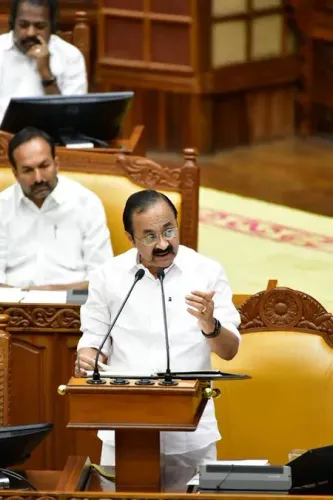
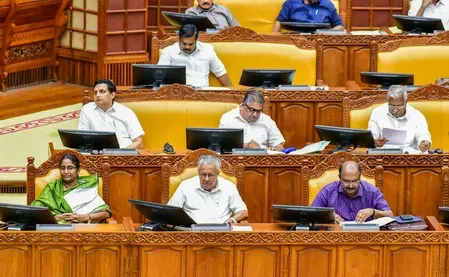
A political row erupted in Kerala on Saturday, 20 June after the state Budget proposed a lower tax structure for low-alcohol beverages, prompting Communist Party of India (Marxist) leader and former Excise Minister M.B. Rajesh to attack the move — and sitting Excise Minister M. Liju to flatly deny that any new liquor policy was in place.
What the Minister Said
Minister Liju clarified that the Budget announcement by Chief Minister V.D. Satheesan was purely a taxation exercise covering wine and liquor products and did not constitute a new liquor policy. 'There is no new liquor policy in place. A policy, when it is framed, will come only after consultations with all stakeholders. The government will conduct an elaborate exercise before announcing it,' Liju said.
Rajesh's Allegations
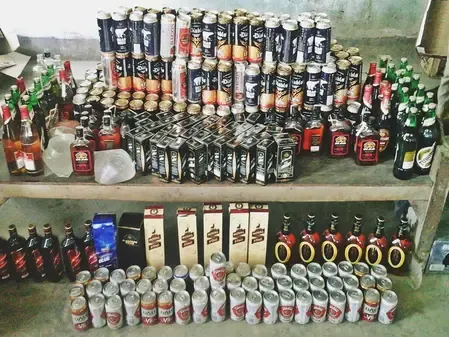
Rajesh alleged that the United Democratic Front (UDF) government's decision to reduce taxes on low-strength alcoholic beverages would flood Kerala with ready-to-drink products and primarily benefit large corporate liquor companies. He claimed the tax concession could cause a revenue loss of around ₹600 crore to the state exchequer and demanded that Chief Minister Satheesan explain the rationale behind the relief.
'The decision will facilitate the large-scale sale of low-alcohol beverages through Bevco outlets. Products that can be consumed like soft drinks will become easily available,' Rajesh alleged. He also accused a Karnataka-based liquor lobby of influencing the decision, though he did not name the entity.
The Political Context
The controversy carries a notable irony that political observers have been quick to point out. When the Oommen Chandy-led UDF government left office in 2016, Kerala had just 29 functional liquor bars. By the time the Left Democratic Front (LDF) government under Pinarayi Vijayan concluded its tenure in May 2026, that number had risen sharply to 884 bar hotels — a more than 30-fold increase over a decade.
Rajesh himself served as Excise Minister in the outgoing LDF government. He was among the 13 ministers who lost their seats in the recent Kerala Assembly elections, including his own sitting constituency of Thrithala in Palakkad — a defeat that adds a political dimension to his current offensive against the new government's approach.
What Happens Next
The dispute is widely expected to intensify as the UDF government moves toward framing a comprehensive liquor policy for the state. Any formal policy, Minister Liju indicated, will require broad stakeholder consultation before it is announced. With the opposition already drawing battle lines over the Budget tax tweak, the debate over Kerala's liquor landscape looks set to remain a flashpoint in the new assembly.
Point of View
And the new government will need a credible, consultative framework — not just a clarification — to defuse it.
NationPress
19 Sept 2026
Frequently Asked Questions
What is the Kerala liquor policy row about?
The row centres on a Kerala Budget proposal to lower taxes on low-alcohol beverages. Former Excise Minister M.B. Rajesh (CPI-M) alleges the move will flood the state with cheap ready-to-drink products and cost the exchequer around ₹600 crore , while sitting Excise Minister M. Liju says it is a routine tax adjustment and not a new liquor policy.
Has Kerala announced a new liquor policy?
No, according to Excise Minister M. Liju . He stated that the Budget announcement by Chief Minister V.D. Satheesan was a financial exercise limited to taxation and that any formal liquor policy would only follow extensive stakeholder consultations.
Why is M.B. Rajesh's criticism seen as ironic?
Rajesh served as Excise Minister in the outgoing LDF government under Pinarayi Vijayan , during whose decade-long tenure the number of bar hotels in Kerala rose from 29 to 884 . His warnings about expanded alcohol availability are being contrasted with that record by political observers.
Who is affected by the proposed tax change?
The tax reduction applies to low-strength alcoholic beverages sold through Bevco (Kerala State Beverages Corporation) outlets. Rajesh has argued that large corporate liquor companies, particularly those linked to a Karnataka -based lobby, stand to benefit most.
What happens next in the Kerala liquor policy debate?
The controversy is expected to intensify as the UDF government moves to frame a comprehensive liquor policy. Minister Liju has indicated that any formal policy will require broad consultations with all stakeholders before it is announced.