Priyank Kharge questions Centre's ethanol policy on subsidised rice
Synopsis
Karnataka Home Minister Priyank Kharge has exposed a potential double-subsidy loop at the heart of India's ethanol blending programme — taxpayer-funded grain sold to producers at 40% below cost, then ethanol bought back at a premium. His demand for a public accounting puts the Centre's flagship fuel policy under sharp political scrutiny.
Key Takeaways
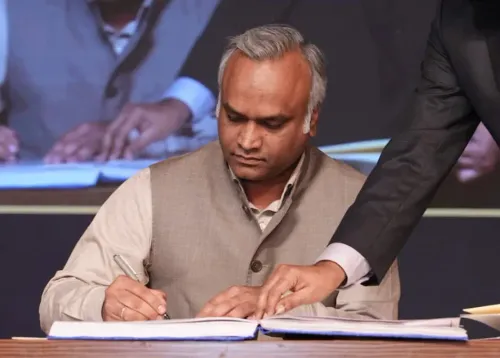
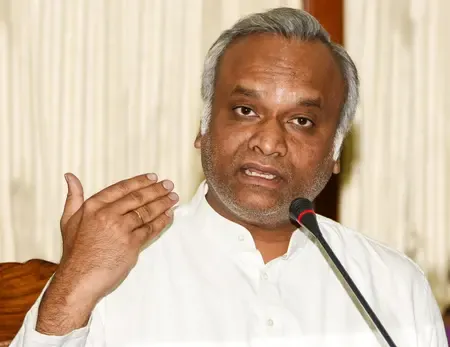
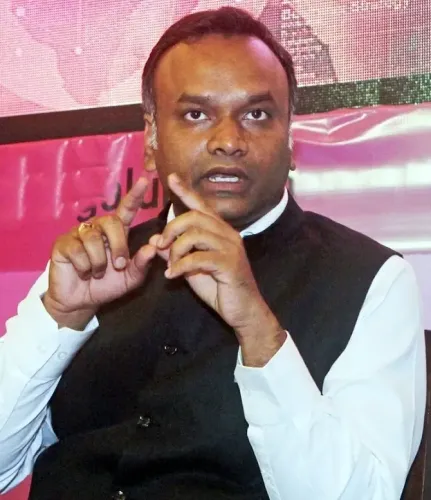
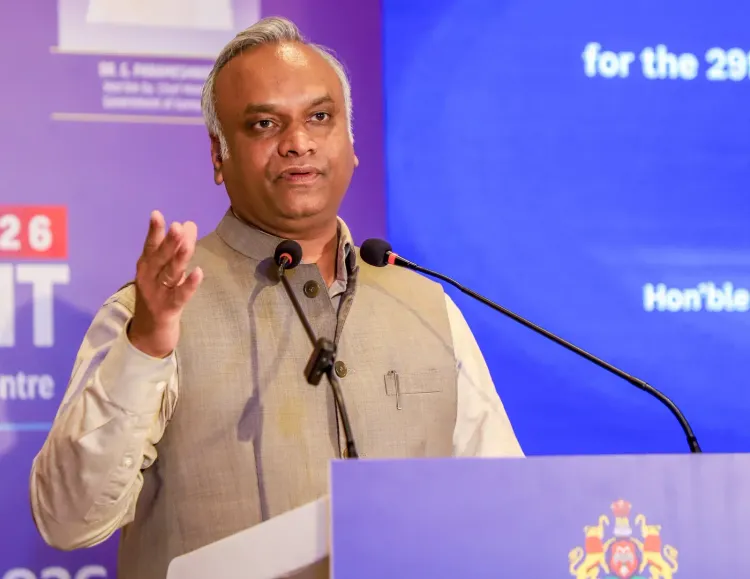
Priyank Kharge , Karnataka Home Minister, on 25 August questioned the Centre's ethanol blending policy in a public statement from Bengaluru .
The Centre reportedly sells rice via FCI to ethanol producers at prices around 40 per cent below its acquisition cost, according to Kharge.
Kharge alleged a double-subsidy: grain supplied at a discount, ethanol then purchased back from the same industry at a higher price .
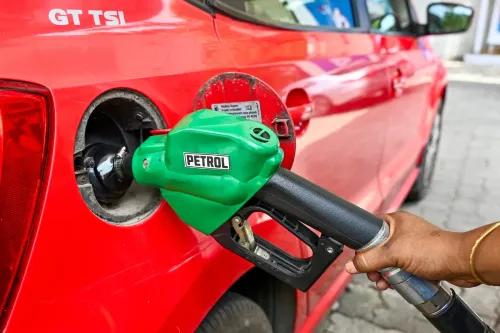
He questioned whether ethanol blending has lowered petrol prices for consumers or whether its impact on vehicle mileage has been assessed.
Kharge demanded the Centre transparently account for the economic and food-security implications of diverting foodgrains to ethanol production.
Karnataka Home Minister Priyank Kharge on Tuesday, 25 August challenged the Centre's ethanol blending policy, questioning why rice procured with taxpayers' money is being sold to ethanol producers at prices reportedly 40 per cent below its acquisition cost. The statement, issued from Bengaluru, demands public accountability over what Kharge called a structurally flawed subsidy chain.
The Core Allegation
Kharge argued that the government's ethanol arithmetic is internally contradictory. The Centre procures paddy from farmers using public funds, then bears additional costs on storage and transportation through the Food Corporation of India (FCI) — only to sell the resulting rice to ethanol manufacturers at a steep discount.
'India's ethanol arithmetic simply does not add up,' Kharge said, pressing the Centre to explain who ultimately benefits from this arrangement. 'Grain is subsidised with taxpayers' money; the government bears the cost of procurement, storage and transportation; and then the same grain is sold to ethanol producers at a discounted price. So, who is actually benefiting from this entire system?' he asked.
The Double-Subsidy Question
Kharge further questioned whether the government then purchases ethanol back from the same producers — who received grain at below-cost rates — at a higher price for blending with petrol. He argued this creates a double-subsidy loop that benefits the ethanol industry at the public's expense.
'If grain is supplied at a lower price and ethanol is subsequently purchased from the same industry at a higher price, what is the actual benefit to the ordinary consumer?' he asked. His remarks also raised the question of whether ethanol blending capacity was built up rapidly, creating pressure to divert foodgrains to feed that capacity regardless of food security implications.
Impact on Consumers and Food Security
The Karnataka minister questioned whether ethanol blending has translated into lower petrol prices for consumers at the pump, and whether the policy's effects on vehicle mileage and maintenance costs have been adequately studied. He argued that foodgrains earmarked for food security are being redirected without a transparent public-interest assessment.
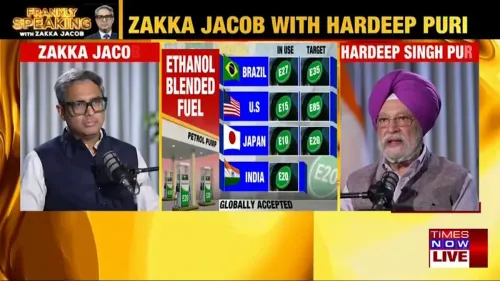
Notably, India's ethanol blending programme — aimed at reducing crude oil imports and cutting carbon emissions — has been a flagship energy policy of the Centre. Critics, however, have periodically raised concerns about the trade-off between fuel targets and food availability, particularly when surplus grain stocks are used as feedstock.
Kharge's Demands
Kharge demanded that the Centre place a full accounting of the economic, social, and public-interest implications of the policy before the public. He reiterated that the 'apparent contradictions' in the ethanol programme must be explained transparently. 'Who is subsidising whom? Who are the real beneficiaries of this system?' he asked, calling on the Centre to provide a clear answer.
The Centre has not yet responded publicly to Kharge's statement. With food inflation remaining a political flashpoint, the debate over grain diversion to ethanol production is likely to intensify in the coming weeks.
Point of View
But the subsidy flow — public money in at procurement, public money out at ethanol purchase — has never been subjected to a consolidated cost-benefit audit that is publicly available. The food-versus-fuel tension is not new; what is new is a state-level minister from a Congress-ruled government making it a formal accountability demand rather than a passing critique. If the Centre cannot show that the net consumer benefit from blending outweighs the implicit subsidy to ethanol producers, the policy's political durability will depend entirely on industry lobbying rather than public interest.
NationPress
9 Oct 2026
Frequently Asked Questions
What is Priyank Kharge's criticism of the Centre's ethanol policy?
Kharge argues that the Centre sells rice — procured with taxpayers' money via FCI — to ethanol producers at roughly 40 per cent below its acquisition cost, then buys back ethanol from the same producers at a higher price for petrol blending. He contends this creates a double-subsidy that benefits the ethanol industry at public expense.
What is India's ethanol blending programme?
India's ethanol blending programme mandates mixing a proportion of ethanol — derived from sugarcane, grain, or other feedstocks — with petrol to reduce crude oil import dependence and lower carbon emissions. The Centre has progressively raised blending targets and used surplus grain stocks held by FCI as feedstock for ethanol producers.
Why does Kharge say the ethanol arithmetic does not add up?
He points out that the government incurs costs at every stage — procurement from farmers, storage, and transportation — and then sells the grain below cost. If ethanol is subsequently purchased from the same industry at a premium, the net benefit to the ordinary consumer or the public exchequer is unclear, he argues.
Has ethanol blending made petrol cheaper for consumers?
Kharge specifically questioned whether blending has resulted in lower petrol prices at the pump and whether its effects on vehicle mileage and maintenance costs have been adequately studied. The Centre has not yet publicly responded to these specific queries.
What has Kharge demanded from the Centre?
He has demanded that the Centre provide a transparent, public accounting of the economic, social, and food-security implications of diverting grain earmarked for food security towards ethanol production, and explain clearly who the real beneficiaries of the system are.