How Does Khelo India Create Opportunities for Skaters?
Synopsis
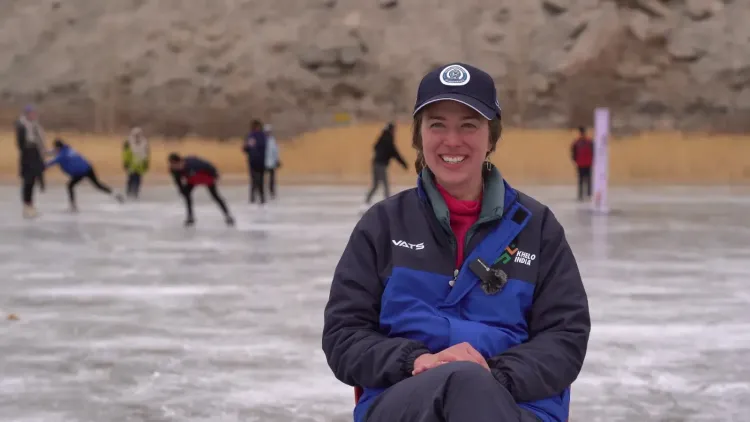
Natalie Falsgraf, a dedicated figure skating coach from the US, has been nurturing local talent in Ladakh since 2018. Her passionate involvement during the inaugural Khelo India Winter Games 2026 has spotlighted the burgeoning figure skating scene in the region. Discover how her efforts are paving a promising path for aspiring skaters in India.
Key Takeaways
Natalie Falsgraf has been instrumental in promoting figure skating in Ladakh.
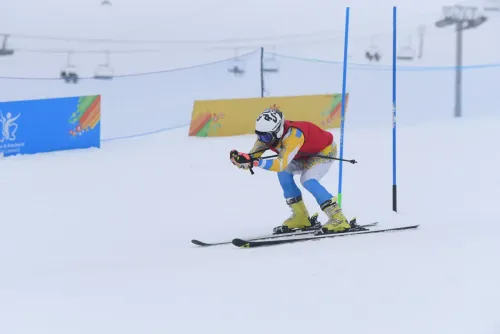
The Khelo India Winter Games 2026 features figure skating for the first time.
Local talent is gaining recognition with medal achievements.
Ice skating is a cultural staple in Ladakh during winter.
Development of ice sports infrastructure is on the rise in India.
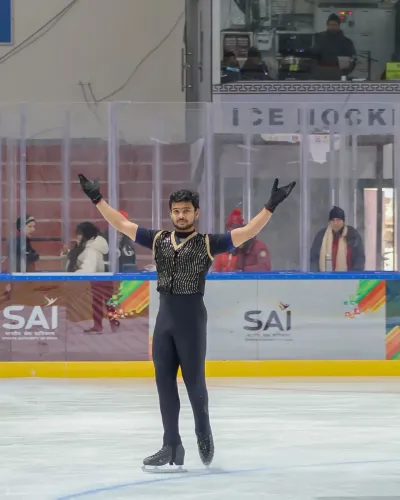
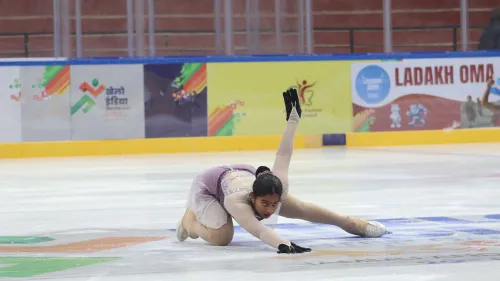
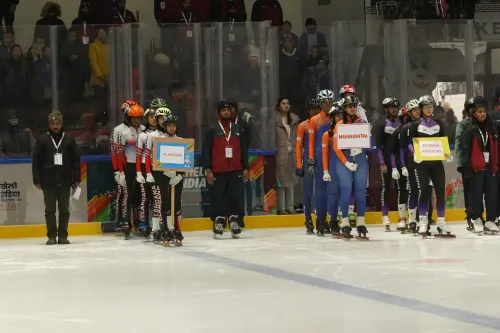
Leh, Jan 23 (NationPress) Figure skating coach Natalie Falsgraf’s journey in Ladakh, which began in 2018, has taken on new significance during the current Khelo India Winter Games 2026. This year marks the inaugural inclusion of figure skating in the event.
The accomplished former skater from the United States is dedicated to uplifting local talent, motivated by her passion and a profound connection to the Ladakhi ice skating community.
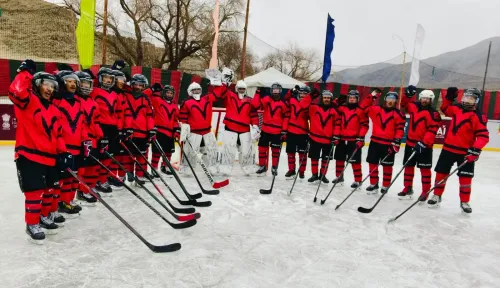
As a prominent member of the Ladakh Women's Ice Hockey Foundation, Natalie has been coaching young athletes throughout the Union Territory, driven by altruism rather than financial gain. Her contributions have garnered increased attention during the first segment of the Khelo India Winter Games 2026, where figure skating is featured for the first time in the event's history.
“Having been a figure skater for most of my life, I was intrigued when I learned about figure skating in India and the ice skating scene in Ladakh, especially the natural rinks and hockey culture here,” Natalie shared with SAI Media. “I was eager to skate on natural ice and immerse myself in this vibrant community built around ice skating.”
Reflecting on her initial visit, she remarked on the warmth and enthusiasm of the locals that left an indelible impression. “When I first came here, I instantly fell in love with the region. I was captivated by the skating culture and the passion that people displayed towards learning ice skating,” she stated.
Natalie emphasized that ice skating is an integral part of winter life in Ladakh. “Even in the smallest villages, you will find frozen ponds with people trying on ice skates during winter. This fervor has consistently inspired me and brought me back,” she added.
During the Khelo India Winter Games 2026, Natalie also took the opportunity to explain the intricacies of figure skating to attendees, clarifying the distinctions between novice and advanced categories.
“Figure skating is inherently artistic, but the key distinction lies in the complexity of jumps. Novice skaters typically perform single and double jumps, whereas advanced skaters execute double and triple jumps, intricate spins, and advanced footwork,” she explained.
She embraced the addition of figure skating to the Khelo India program, regarding it as a significant advancement for the sport in India. “This presents a fantastic opportunity to promote figure skating throughout India and demonstrate to young skaters that there is a viable pathway in the sport,” Natalie stated.
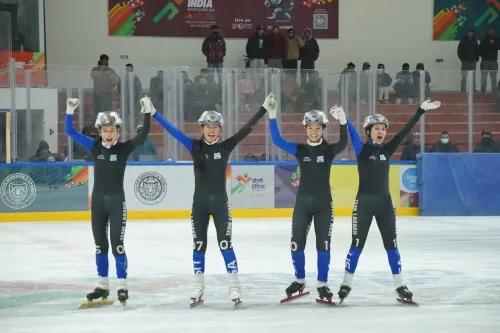
Two of her trainees, Stanzin Khando and Tenzin Kunzin from the Zanskar region, achieved medals in the novice category, highlighting the expanding talent pool in Ladakh.
When discussing Indian figure skating on the global stage, Natalie identified Tara Prasad as a source of inspiration. “She is currently representing India at the Four Continents Championship in Beijing this week. Her international competition experience serves as an inspiration for young skaters,” she remarked.
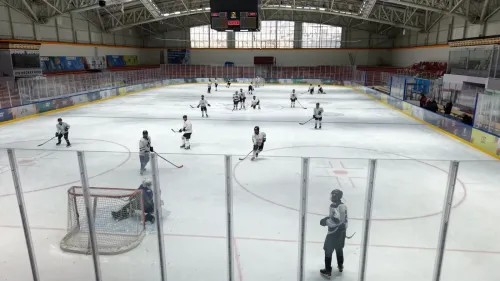
Natalie also praised the growth of ice sports infrastructure in India. The artificial ice rink at the Nawang Dorjay Stobdan Stadium in Leh is the second of its kind in India, following Dehradun.
“It’s thrilling to hear about additional indoor rinks being developed, including one planned in Delhi. Artificial ice is essential for year-round training and for competing on an international level,” Natalie concluded. “It represents a significant leap forward in building a robust figure skating community in India and enhancing its international presence in Asia and beyond.”
Point of View
The story of Natalie Falsgraf underscores the importance of grassroots initiatives in sports development. Her dedication to fostering local talent in Ladakh through figure skating not only enhances the sporting landscape but also highlights the potential for growth and recognition on a national level. Such narratives drive engagement and excitement for sports, particularly in regions that are often overlooked.
NationPress
21 Sept 2026
Frequently Asked Questions
What is the significance of Khelo India Winter Games 2026 for figure skating?
The Khelo India Winter Games 2026 marks the first time figure skating has been included, providing a platform for aspiring skaters and raising awareness about the sport in India.
Who is Natalie Falsgraf?
Natalie Falsgraf is a former senior-level figure skater from the United States and a coach dedicated to developing ice skating talent in Ladakh since 2018.
What achievements have local skaters made in the Khelo India Winter Games?
Two of Natalie’s trainees, Stanzin Khando and Tenzin Kunzin, secured medals in the novice category, showcasing the increasing talent in the region.
What role does ice skating play in Ladakh's culture?
Ice skating is an integral part of winter life in Ladakh, with frozen ponds serving as venues for locals to try skating, reflecting their passion for the sport.
How is ice sports infrastructure developing in India?
India is witnessing the development of ice sports infrastructure, including artificial rinks like the one in Leh, which is crucial for year-round training and enhancing competitive opportunities.