Karnataka Minister Patil: Welfare Schemes Not a Burden for Development
Synopsis
In a robust defense of Karnataka's guarantee schemes, Minister M.B. Patil insists that wealthy individuals should not benefit from welfare programs, reinforcing that these initiatives are crucial for state development and not a financial burden.
Key Takeaways
Patil asserts that welfare schemes are crucial for development.
He emphasizes that wealthy individuals should not access these benefits.
The schemes are funded with an annual budget of Rs 60,000 crore .
Shivakumar acknowledges the perceived burden of these schemes.
The government did not classify beneficiaries based on income.
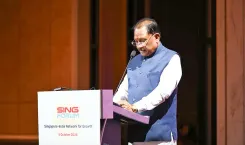
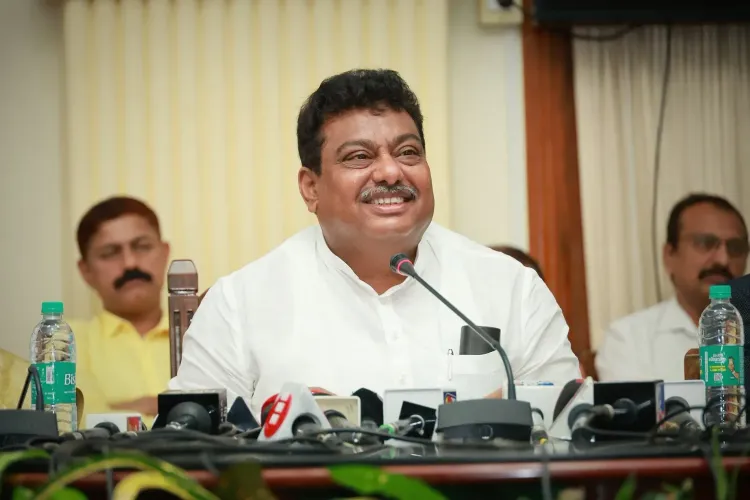
Bengaluru, Feb 26 (NationPress) In response to Deputy Chief Minister and Karnataka Congress President D.K. Shivakumar’s remarks labeling guarantee schemes as a financial strain on the state, Minister for Large and Medium Industries M.B. Patil asserted on Thursday that wealthy individuals should refrain from accessing these welfare benefits. He emphasized that these schemes are integral to the state's development and not a financial burden.
While addressing the media in Bengaluru, Patil posed the question, “Would it be suitable if Minister M.B. Patil himself took advantage of the guarantee benefits?”
Patil reiterated that the guarantee schemes represent a significant aspect of development, stating, “We are investing Rs 60,000 crore into these initiatives, which we promised to the citizens of Karnataka.”
He further remarked that these guarantees are targeted towards the economically disadvantaged and have positively impacted numerous individuals. “There is no financial strain on the government due to these guarantees. Chief Minister Siddaramaiah will ensure sound financial management,” he added.
Home Minister G. Parameshwara also weighed in, stating, “Deputy CM Shivakumar holds the position of our state president. Our manifesto, prepared collectively, was a joint effort during the elections, and I chaired the Manifesto Committee.”
“Shivakumar’s comments may stem from insights that are currently known to him, which may not be apparent to others. Given that context, he might have expressed his views accordingly. We will engage in further discussions about this,” he mentioned.
When questioned about calls for affluent individuals to abstain from benefiting from the guarantees, Parameshwara noted the absence of an income-based classification in the implementation of these schemes.
“At the time of launching the guarantees, we did not categorize beneficiaries based on their income. It was presumed that wealthier individuals would not utilize these schemes. However, it has come to light that even affluent citizens are receiving benefits, with some owning as much as 100 acres of land also receiving monthly assistance of Rs 2,000,” he explained.
“In this context, it seems plausible that the Chief Minister made such a statement. At the national level, Prime Minister Narendra Modi had previously urged wealthier citizens to voluntarily relinquish their LPG subsidies. Similarly, Chief Minister Siddaramaiah has conveyed a comparable message,” he added.
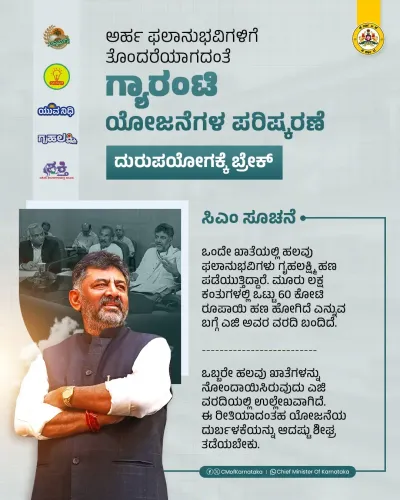
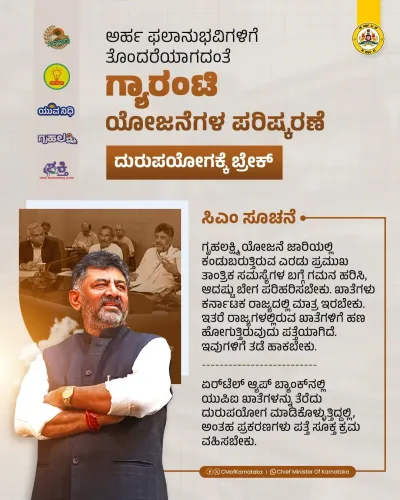
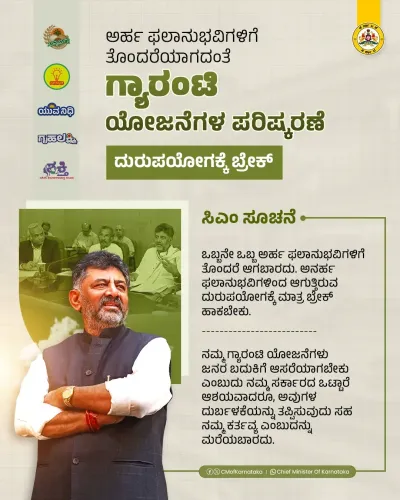
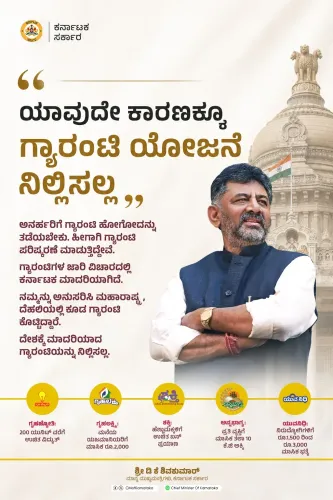
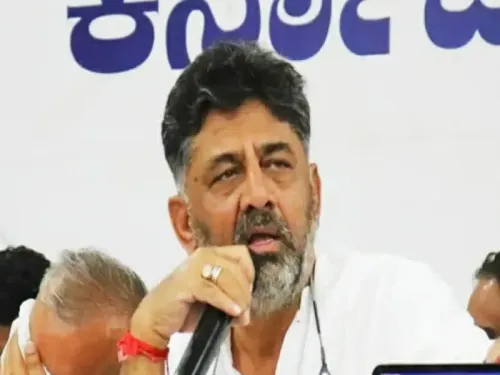
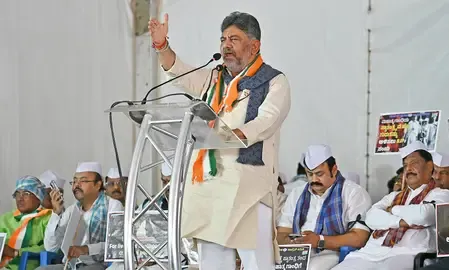
Amidst criticisms from the BJP regarding the Congress government's five guarantees leading Karnataka towards financial instability, Deputy Chief Minister D.K. Shivakumar, during the launch of the ‘Kusuma Sanjeevini’ initiative aimed at providing preventive care for hemophilia patients, remarked that while these schemes may seem burdensome, the government is committed to alleviating citizens' mental stress stemming from financial hardships.
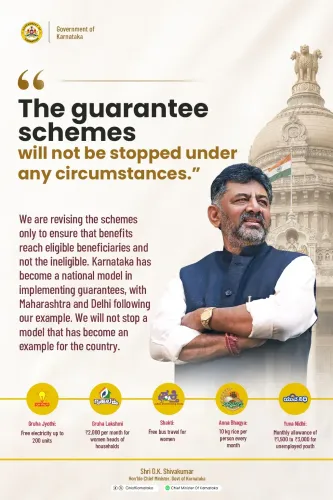
In his address, Deputy CM Shivakumar stated, “We have introduced five guarantees, ensuring free bus services for women, complimentary electricity, and Rs 2,000 in financial aid. Despite these being burdensome for the state, we are dedicated to supporting the populace.”
“Our intention is to prevent individuals from experiencing mental strain due to financial challenges. By fostering confidence, we seek to encourage community support. Thus, the government has decided to promote financial confidence and mental resilience so that citizens become financially empowered,” he concluded.
Responding to Deputy Chief Minister D.K. Shivakumar’s views on the guarantee schemes, Chief Minister Siddaramaiah affirmed that even though Rs 52,000 crore is allocated annually towards these initiatives, developmental projects are still progressing. He disclosed that a total of Rs 1,20,000 crore has already been spent on these guarantees.
Point of View
Critics question their financial sustainability. This discussion emphasizes the need for careful consideration of welfare policies in relation to economic conditions.
NationPress
5 Oct 2026
Frequently Asked Questions
What are the Karnataka guarantee schemes?
The Karnataka guarantee schemes are welfare initiatives introduced by the state government aimed at providing financial assistance and services to residents, particularly targeting the economically disadvantaged.
Why does Minister Patil believe the wealthy shouldn't benefit from these schemes?
Minister Patil argues that the welfare schemes are designed to assist the less fortunate and should not be exploited by wealthier individuals, as this undermines the purpose of the initiatives.
How much is the government spending on these guarantee schemes?
The government is investing Rs 60,000 crore annually in these guarantee schemes, which are seen as essential for development.
What was Deputy CM Shivakumar's stance on the issue?
Deputy CM Shivakumar acknowledged that while the schemes may be perceived as burdensome, they are necessary to alleviate financial stress among citizens.
Is there a classification based on income for the beneficiaries of these schemes?
No, the government did not implement any income-based classification when rolling out the guarantee schemes, assuming that wealthier individuals would not take part.