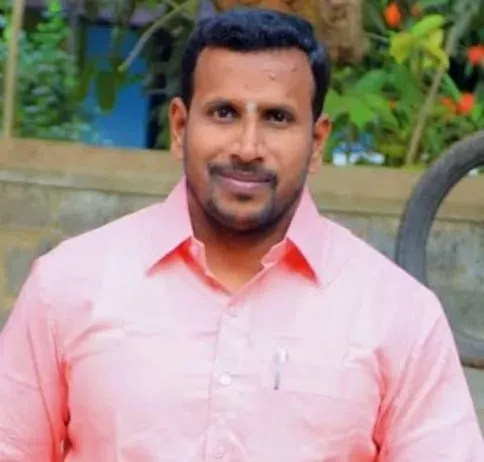
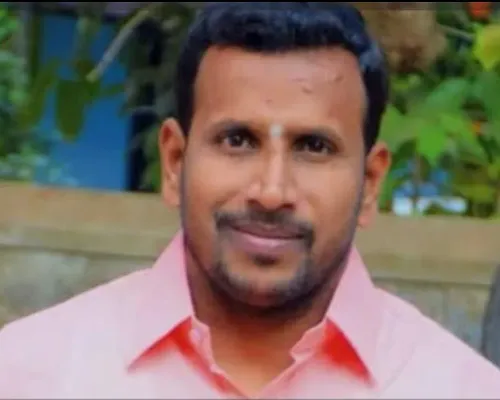
Vinay Kulkarni Moves Karnataka HC Against Life Term in BJP Leader Murder
Synopsis
Congress MLA Vinay Kulkarni has moved the Karnataka High Court against his life sentence in the 2016 murder of BJP leader Yogesh Gowda, seeking urgent bail to avoid losing his MLA seat. The CBI-investigated case, involving 17 convicts, now enters a critical appellate phase with national implications for political accountability.
Key Takeaways
Congress MLA Vinay Kulkarni filed an appeal before the Karnataka High Court on April 25, 2025 , challenging his life imprisonment sentence in the Yogesh Gowda murder case .
Kulkarni and 16 other convicts were sentenced to life imprisonment and fined Rs 30,000 each by a special court in Bengaluru for criminal conspiracy and murder.
BJP leader Yogesh Gowda was hacked to death at a gym in Dharwad on June 15, 2016 — a killing linked to a political rivalry with Kulkarni.
The case was investigated by the CBI , which had earlier successfully sought cancellation of Kulkarni's bail after alleging witness tampering.
Kulkarni risks disqualification as MLA if the High Court does not grant a stay on his conviction, under India's Representation of the People Act.
Hundreds of Congress supporters held a silent protest march in Dharwad on Saturday, alleging a political conspiracy behind the conviction.
Bengaluru, April 25 — Congress MLA Vinay Kulkarni, convicted in the 2016 murder of BJP leader Yogesh Gowda in Dharwad, Karnataka, filed an appeal before the Karnataka High Court on Saturday challenging his life sentence. The petition seeks a stay on the conviction order passed by the Special Court for Elected Representatives and requests bail, marking a critical legal escalation in one of Karnataka's most politically charged criminal cases.
Kulkarni Challenges Conviction, Seeks Urgent Stay
In his appeal, Kulkarni has contested both the life imprisonment sentence and the conviction order issued by the special trial court. He has urged the High Court to grant an immediate stay on the sentence, citing the imminent risk of losing his position as a sitting Member of the Legislative Assembly (MLA).
Under Indian law, a legislator convicted with a sentence of two years or more faces disqualification from holding office. The urgency of Kulkarni's plea is therefore not merely personal — it carries direct implications for his constituency and the Congress party's legislative strength in Karnataka.
Sources close to the development indicate that the plea is likely to be taken up for hearing next week. The court is expected to hear arguments from the Central Bureau of Investigation (CBI), which took over the case from the Karnataka state government and conducted the investigation.
The 2016 Dharwad Murder: What Happened
Yogesh Gowda, a BJP leader and political rival of Kulkarni, was hacked to death by a group of assailants at a gym in Dharwad city on June 15, 2016. The attack was reportedly triggered by a political rivalry that had intensified after Gowda began publicly challenging Kulkarni's dominance in the region.
The special court in Bengaluru sentenced Kulkarni and 16 other convicts to life imprisonment and imposed a fine of Rs 30,000 each for offences including criminal conspiracy and murder. Kulkarni was listed as accused number 15 in the case. At the time the allegations surfaced, he was serving as a minister and district in-charge minister in the Karnataka government.
Kulkarni's Turbulent Legal Journey
Kulkarni was arrested in 2020, nearly four years after the murder, and was released on bail in 2021. However, the CBI subsequently alleged that he had been influencing witnesses and sought cancellation of his bail, citing violations of bail conditions. The court accepted the CBI's plea and revoked his bail.
Kulkarni then surrendered before the authorities and was eventually granted bail again. He currently holds the position of Chairman of the Karnataka Urban Water Supply and Drainage Board — a post that itself raises questions about the appropriateness of an accused in a murder case holding a state government appointment.
Supporters Rally in Dharwad, Allege Political Conspiracy
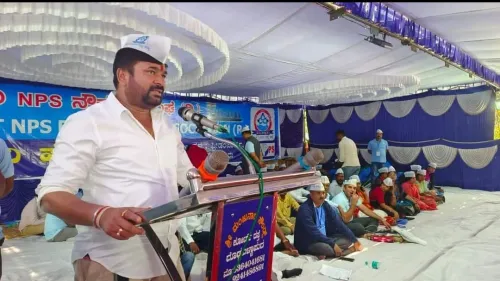
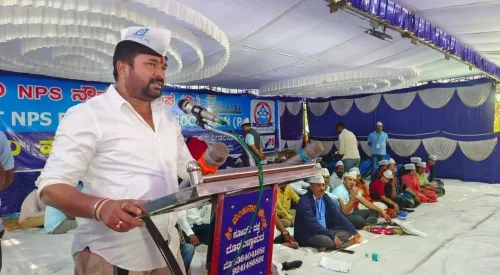
Hundreds of Congress supporters gathered in Dharwad on Saturday to participate in a silent protest march in solidarity with Kulkarni. They alleged that the conviction was the result of a political conspiracy orchestrated against him by rival political forces.
The show of support underscores the deep political divide the case has created in north Karnataka, where Kulkarni has long been a dominant Congress figure. Critics, however, argue that the conviction — handed down by a court specifically constituted to try elected representatives — reflects the strength of the CBI's evidence rather than any political motive.
Broader Implications: Accountability, Politics, and the Judiciary
This case is a stark reminder of the intersection of political power and criminal accountability in Indian democracy. The fact that the case was transferred to the CBI — typically reserved for matters where state agencies are deemed conflicted — signals the seriousness with which the judiciary and central investigators viewed the alleged involvement of a sitting minister in a targeted political killing.
The Karnataka High Court's decision on the stay application will be closely watched. If the stay is denied, Kulkarni faces immediate disqualification as an MLA under Section 8 of the Representation of the People Act, 1951. If granted, it will allow him to continue as a legislator pending the full appeal hearing — a process that could take years.
With the Karnataka High Court hearing expected next week, all eyes will be on whether the judiciary grants interim relief or allows the conviction to take immediate effect, setting a precedent for how courts handle elected representatives convicted of serious crimes.
Point of View
Hold government appointments, and mobilise supporters — all while under serious criminal scrutiny. That a man listed as accused in a murder case was simultaneously serving as Chairman of a state water board is a governance failure that demands scrutiny beyond the courtroom. The Karnataka High Court's ruling on the stay will be a litmus test — not just for one MLA's fate, but for whether India's judicial system can enforce accountability on elected representatives without being slowed by political pressure.
NationPress
30 Sept 2026
Frequently Asked Questions
Why has Vinay Kulkarni appealed to the Karnataka High Court?
Congress MLA Vinay Kulkarni has appealed to the Karnataka High Court to challenge his life imprisonment sentence in the 2016 murder case of BJP leader Yogesh Gowda. He has sought a stay on the conviction and requested bail to avoid losing his MLA seat under disqualification laws.
Who was Yogesh Gowda and how was he killed?
Yogesh Gowda was a BJP leader in Dharwad, Karnataka, who was hacked to death by a group of assailants at a gym in Dharwad city on June 15, 2016. He had been politically challenging Congress MLA Vinay Kulkarni before the attack.
What was the verdict in the Yogesh Gowda murder case?
A special court in Bengaluru sentenced Vinay Kulkarni and 16 other convicts to life imprisonment and imposed a fine of Rs 30,000 each for criminal conspiracy and murder. Kulkarni was listed as accused number 15 in the CBI-investigated case.
Can Vinay Kulkarni be disqualified as an MLA due to this conviction?
Yes, under Section 8 of the Representation of the People Act, 1951, any legislator sentenced to two or more years in prison faces disqualification. Kulkarni has cited this risk in his urgent plea for a stay before the Karnataka High Court.
What role did the CBI play in the Yogesh Gowda murder case?
The Karnataka state government transferred the Yogesh Gowda murder case to the Central Bureau of Investigation (CBI) due to the serious nature of the allegations and the political stature of the accused. The CBI conducted the full investigation and will present arguments during the High Court hearing.