How Robust Are Your Laws? Kumari Selja Challenges HM Shah's Claims on Infiltrators
Synopsis
In a heated exchange in Parliament, Congress MP Kumari Selja questions the strength of India's laws in light of Home Minister Amit Shah's claims about infiltrators. This article delves into the implications of their debate, the historical context of accusations, and the political stakes involved.
Key Takeaways
Kumari Selja questions the effectiveness of current immigration laws.
Amit Shah emphasizes a strict policy on illegal immigrants.
The debate highlights significant political tensions.
Historical allegations of electoral malpractice are revisited.
The resistance to SIR could impact upcoming elections.
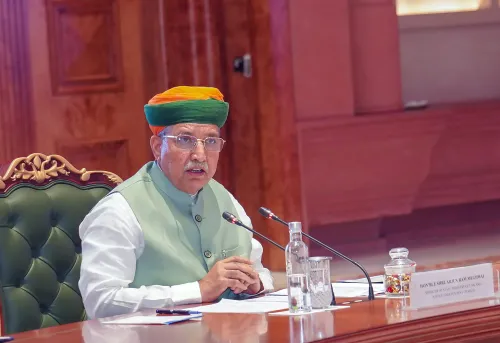
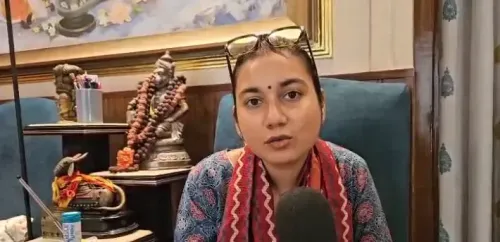
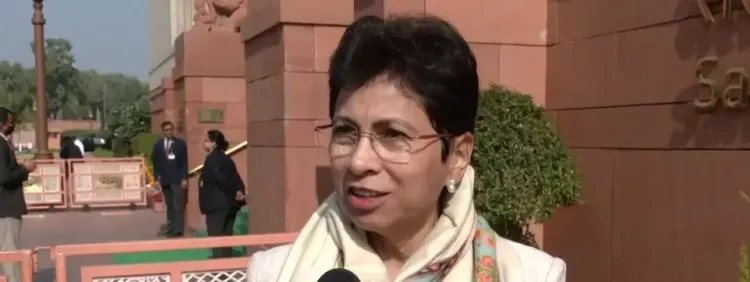
New Delhi, Dec 11 (NationPress) - In response to Union Home Minister Amit Shah's recent accusations against the Opposition regarding their alleged protection of infiltrators, Congress MP Kumari Selja questioned the government’s effectiveness and legal readiness. She posed a critical inquiry: how can infiltrators persist in India if the government's laws are genuinely strong?
Speaking to IANS outside Parliament, Kumari Selja stated: "How can infiltrators exist in this nation? How robust is your law? What is the condition of your legal system? Will it only become apparent through SIR? In any case, you lack any law to even identify who the infiltrators are. What actions is the government taking about this?"
She emphasized that such issues should be clarified through standard legal processes. "From common law, we should distinguish between those who entered from abroad and those who are citizens. The government should already have this information."
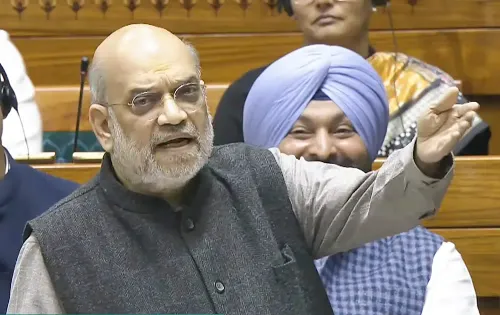
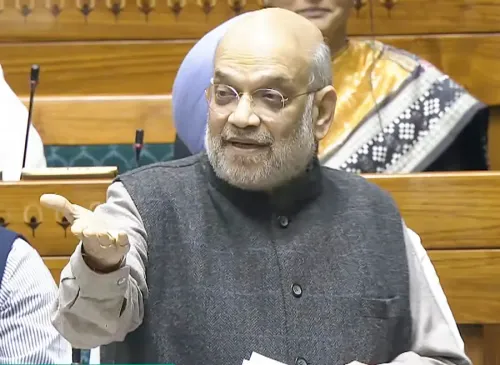
On the previous day, Amit Shah asserted that the Modi administration's policy is unequivocal: all illegal immigrants must be detected, removed from electoral rolls, and deported. He claimed that the Opposition was raising this issue simply because they could no longer secure elections through "corrupt practices," attributing the Congress’s electoral failures to its leadership rather than EVMs or "vote chori" (vote theft).
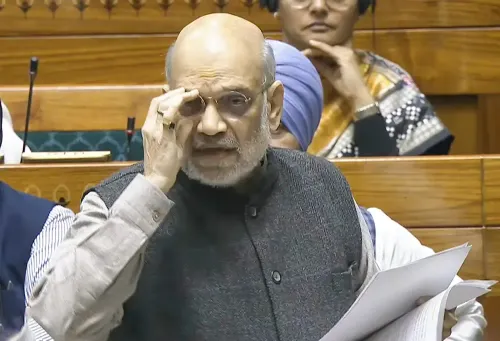
During a debate on electoral reforms in the Lok Sabha, Amit Shah defended against the Opposition’s allegations extensively. His 90-minute address faced frequent interruptions from the Leader of the Opposition Rahul Gandhi, who challenged him to a debate regarding the accusations made in multiple press conferences, accusing the BJP of "vote chori." The exchanges escalated, ultimately leading to an Opposition walkout.
To direct his criticism at the Congress, Amit Shah referenced three historical instances of what he termed "vote chori" involving prominent party figures Jawaharlal Nehru, Indira Gandhi, and Sonia Gandhi. He alleged that Nehru became Prime Minister in 1947 despite receiving fewer internal votes than Sardar Vallabhbhai Patel; that Indira Gandhi secured immunity post her election being annulled by a court; and that Sonia Gandhi’s situation of "becoming a voter before she was a citizen of India" is now in civil courts—a remark that incited significant protests from Congress members.
Amit Shah also accused the Opposition of attempting to "normalize and formalize" illegal immigration by opposing SIR in states like West Bengal and Tamil Nadu. He cautioned members of the Trinamool Congress and DMK that such resistance would have severe repercussions in the upcoming assembly elections. He affirmed that the NDA would persist with its policy of "detect, delete, and deport" regardless of Opposition walkouts.
Point of View
I emphasize that this exchange reflects the ongoing political tension and the urgent need for clarity concerning immigration laws in India. The allegations made by both parties highlight the significance of legal frameworks and their enforcement in governance. The discourse surrounding these issues is vital for the electorate's understanding.
NationPress
9 Oct 2026
Frequently Asked Questions
What did Amit Shah accuse the Opposition of?
Amit Shah accused the Opposition of protecting infiltrators and asserted that they are raising issues due to their inability to win elections through fair practices.
How did Kumari Selja respond to Shah's claims?
Kumari Selja questioned the effectiveness of the government's laws and the existence of infiltrators, challenging the government's actions and legal preparedness.
What historical references did Shah make?
Shah referenced past instances involving Nehru, Indira Gandhi, and Sonia Gandhi to illustrate what he termed 'vote chori'.
What is the NDA's stance on illegal immigration?
The NDA maintains a clear policy to detect, delete, and deport all illegal immigrants, despite opposition.
What was the outcome of the debate in Lok Sabha?
The debate led to significant interruptions and ultimately resulted in an Opposition walkout due to escalating tensions.