Camel milk in Kutch: How Sarhad Dairy is transforming herder livelihoods
Synopsis
Kutch's nomadic camel herders are no longer selling milk for a pittance. Sarhad Dairy — India's first camel milk processor — paid nearly ₹9.60 crore to herders in 2025-26, up from ₹8.72 crore the previous year, while daily procurement crossed 5,158 litres. It is a rare story of a pastoral community gaining formal market access, credit, and assured pricing — all at once.
Key Takeaways
Sarhad Dairy in Kutch, Gujarat is India's first dairy to procure, process, and sell camel milk commercially.
Camel herders now earn ₹50–₹55 per litre , up from previously negligible rates.
Daily procurement rose from 4,754 litres in 2024-25 to 5,158 litres in 2025-26.
Total payments to herders increased from ₹8.72 crore to nearly ₹9.60 crore year-on-year.
The dairy also offers loan facilities for herders to purchase camels.
Health expert Dr Alap Antani noted camel milk's potential benefits for TB patients and in reducing inflammation.
In the arid expanse of Kutch, Gujarat, camel milk is rapidly emerging as a viable and growing source of income for hundreds of nomadic herder families who have long depended on livestock farming for survival. A combination of government-backed initiatives and an organised dairy infrastructure is reshaping what was once a subsistence livelihood into a structured, income-generating enterprise.
Sarhad Dairy: Building an Organised Market
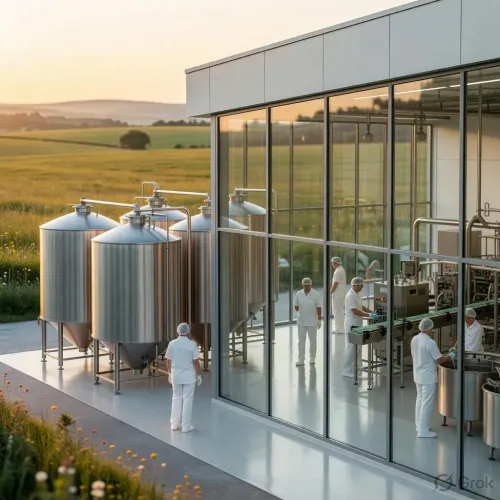
Sarhad Dairy, a first-of-its-kind facility in India, has been instrumental in this transformation. The dairy not only procures camel milk directly from herders but also processes it into value-added products including paneer (cottage cheese) and ice cream. Before its establishment, herders struggled to find buyers and often sold milk at throwaway prices.
Today, camel herders receive between ₹50 and ₹55 per litre — a significant improvement over earlier rates. According to herders, payment delays and marketing hurdles that once plagued them have largely been resolved through the dairy's procurement system.
What the Herders Say
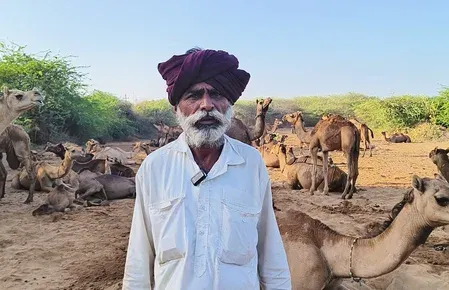
Camel herder Ashabhai Rabari said, 'Previously, our lives were quite difficult. However, thanks to the government's support and the guidance provided by the Milk Union, the lives of our camels were saved; otherwise, no one would have cared about us. Life has become much easier now.'
Another herder, Devabhai Rabari, added simply: 'We now send camel milk to the dairy, for which we get ₹50 per litre.'
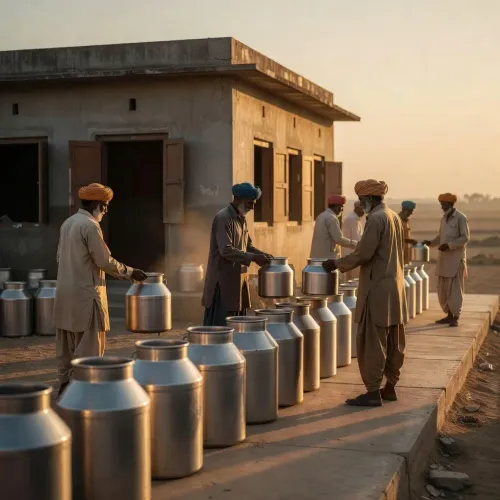
The nomadic nature of camel herding — families move constantly in search of fodder — had historically made milk collection and sale logistically difficult. Sarhad Dairy has addressed this by streamlining the collection process to suit the herders' mobile lifestyle.
Rising Volumes and Payouts
The numbers reflect a clear upward trend. In 2025-26, Sarhad Dairy procured an average of 5,158 litres of camel milk per day, up from 4,754 litres per day in 2024-25. Payments to herders rose correspondingly — from approximately ₹8.72 crore last year to nearly ₹9.60 crore this year, an increase of close to ₹88 lakh in a single year.
Notably, Sarhad Dairy has also extended loan facilities to herders, enabling them to purchase additional camels and expand their operations — a critical support mechanism given the high upfront cost of acquiring livestock.
The Superfood Angle: Medicinal and Export Demand
Camel milk is widely described as a 'superfood' owing to its nutritional profile and reported medicinal properties. According to health expert Dr Alap Antani, camel milk can be highly beneficial for patients suffering from tuberculosis (TB) and may help reduce bodily inflammation. It is also considered beneficial in managing diabetes, autism, and allergies, according to reports.
This medicinal reputation has fuelled demand both domestically and in international markets, giving Sarhad Dairy's products a potential premium positioning beyond commodity milk sales.
What This Means for Kutch's Pastoral Communities
This comes amid a broader push by the Gujarat government to bring marginalised pastoral communities into formal economic frameworks. Camel herding communities like the Rabari have historically operated at the fringes of agricultural policy, with little institutional support. The Sarhad Dairy model represents a structural shift — converting an informal, scattered activity into an organised supply chain with assured pricing, regular payments, and access to credit.
If procurement volumes and herder payouts continue on their current trajectory, Kutch's camel milk sector could establish itself as a replicable model for other desert-belt regions across Rajasthan and beyond.
Point of View
Nomadic livelihood into a structured supply chain without displacing the community from its traditional way of life. The jump from ₹8.72 crore to ₹9.60 crore in herder payouts in a single year is meaningful at the household level — but the real test is scalability. Camel populations in India have been declining for decades, and without a parallel effort to protect grazing land and prevent herd attrition, the supply side of this story remains fragile. The medicinal and export demand for camel milk is real, but premium positioning requires consistent quality standards that nomadic collection systems struggle to guarantee. Gujarat has a proof of concept; turning it into a durable rural economy story will require sustained policy attention beyond dairy procurement alone.
NationPress
24 Sept 2026
Frequently Asked Questions
What is Sarhad Dairy and what makes it unique?
Sarhad Dairy is India's first dairy facility dedicated to procuring and processing camel milk, located in the Kutch region of Gujarat. Unlike conventional dairies, it buys milk directly from nomadic camel herders, processes it into products like paneer and ice cream, and also provides herders with loan facilities to expand their herds.
How much are camel herders in Kutch earning from milk sales?
Camel herders in Kutch currently receive between ₹50 and ₹55 per litre of milk sold to Sarhad Dairy. In 2025-26, total payments to herders reached nearly ₹9.60 crore, up from approximately ₹8.72 crore in 2024-25.
What are the reported health benefits of camel milk?
According to health expert Dr Alap Antani, camel milk may benefit patients suffering from tuberculosis and help reduce bodily inflammation. It is also reportedly considered beneficial for managing diabetes, autism, and allergies, contributing to strong domestic and international demand.
How has daily camel milk procurement changed over the years?
Daily procurement by Sarhad Dairy rose from 4,754 litres per day in 2024-25 to 5,158 litres per day in 2025-26, reflecting growing participation by herder families and increased herd productivity.
Why was selling camel milk difficult for herders before Sarhad Dairy?
Camel herding communities in Kutch are nomadic, constantly moving in search of fodder, which made consistent milk collection and sale logistically challenging. Without an organised buyer, herders sold milk at very low prices with no payment certainty. Sarhad Dairy resolved this by creating a structured, mobile-friendly procurement system with assured pricing.