Laos inflation eases to 9% in May as govt targets cost of living relief
Synopsis
Laos' headline inflation eased to 9% in May from 10.2% in April — but goods and services prices are still up 28%, housing costs are up 20.4%, and the government is scrambling to contain a cost-of-living crisis that global commodity and transport pressures keep feeding. Prime Minister Siphandone's call for 'solution-oriented' cabinet recommendations signals the urgency is real.
Key Takeaways
Laos recorded an inflation rate of 9 per cent in May 2025 , down from 10.2 per cent in April, according to the Lao Statistics Bureau .
Lower domestic fuel prices and a stable exchange rate were the primary factors behind the easing.
The goods and services category posted the highest price rise at 28 per cent ; housing, water, electricity, and gas rose 20.4 per cent ; communications and transport climbed 15.5 per cent .
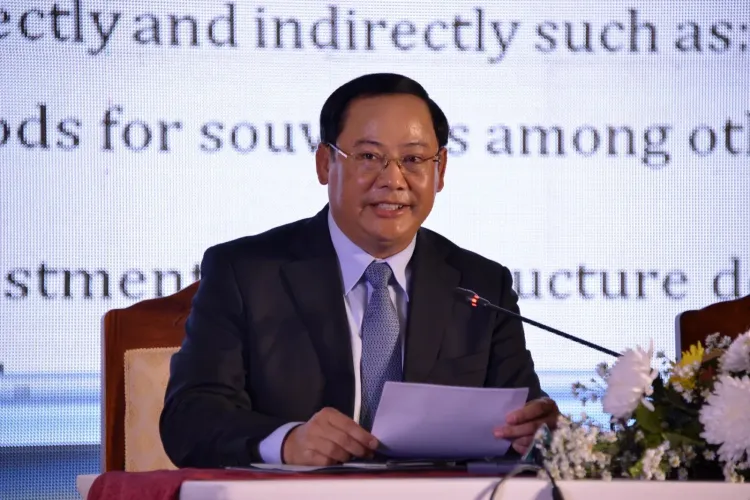
Prime Minister Sonexay Siphandone convened the May cabinet meeting in Vientiane on 27 May , calling for practical, solution-oriented recommendations.
The Lao Ministry of Finance on 19 May outlined priorities including expanding revenue sources, restructuring public debt, and modernising budget disbursement systems.
Laos recorded an inflation rate of 9 per cent in May 2025, easing from 10.2 per cent in April, as the Lao government convened its monthly cabinet meeting in Vientiane on Wednesday, 27 May to address rising living costs and chart a course for socio-economic stability amid growing global uncertainties.
Key Developments at the Cabinet Meeting
The government's monthly meeting for May brought together senior officials to review national priorities and assign tasks for the month ahead. Discussions covered a broad agenda, including national defence and security, unexploded ordnance clearance, education system reforms, and preparations for upcoming national conferences and events.
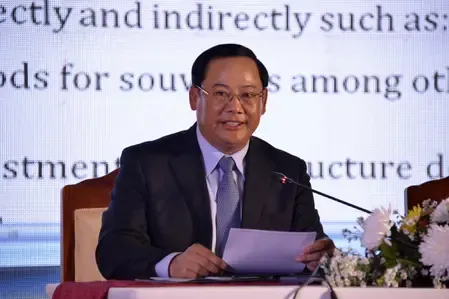
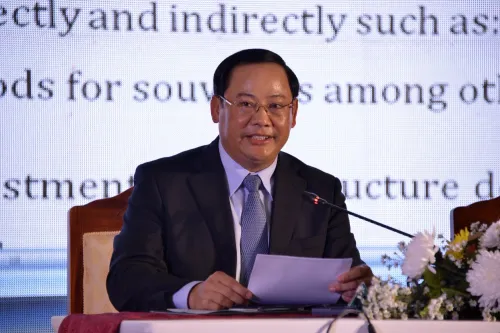
Prime Minister Sonexay Siphandone urged participants to offer practical, focused, and solution-oriented recommendations, stressing that the meeting's outcomes must translate into effective implementation on the ground.
What Is Driving Inflation
According to a report released by the Lao Statistics Bureau on 27 May, the moderation in inflation was primarily driven by lower domestic fuel prices and a relatively stable exchange rate. Despite the improvement, price pressures remain acute across several categories.
The goods and services category recorded the steepest rise at 28 per cent. The housing, water, electricity, and gas segment followed at 20.4 per cent, while communications and transport costs climbed 15.5 per cent. These figures underscore the breadth of cost pressures facing Lao households, even as the headline rate inches lower.
Government's Fiscal Response
The cost-of-living discussions build on commitments made earlier this month. On 19 May, the Lao Ministry of Finance reaffirmed its focus on strengthening public finance management, improving debt oversight, and promoting sustainable economic development.
At that meeting, senior ministry officials reviewed progress on fiscal reforms and outlined a series of priorities. On the revenue side, authorities called for expanding new revenue sources — including land and environmental taxes — accelerating modernisation, and widening the use of electronic invoicing systems to meet annual state revenue targets.
On expenditure, officials emphasised improving budget approval and disbursement procedures through modern systems to enhance transparency and cost-effectiveness. Relevant agencies were also directed to assess and restructure public debt while curbing high-interest and inefficient borrowing.
Structural Priorities
The Ministry of Finance also highlighted human resource development as a key pillar, stressing the need for a workforce with strong qualifications and practical expertise. Officials underscored the importance of implementing the Politburo's resolution on building an independent and self-reliant economy capable of sustaining long-term development.
This comes amid ongoing regional and global uncertainties — including elevated commodity and transportation costs — that have fed directly into domestic price levels. The government has stressed the need for timely measures to shield livelihoods and support broader socio-economic development.
What to Watch Next
With inflation still running well above comfortable levels and key cost categories — particularly goods, services, and housing — posting double-digit increases, the effectiveness of the government's fiscal and administrative measures will be closely watched in the months ahead. The trajectory of global fuel prices and the Lao kip's exchange rate will remain critical variables in determining whether the easing trend holds.
Point of View
Not a relief story — not when goods and services are still 28% more expensive and housing costs are up over 20%. The Lao government's fiscal reform agenda is structurally sound on paper, but the gap between Politburo resolutions and household realities remains wide. Laos' debt vulnerabilities and dependence on imported commodities mean that any renewed global commodity spike could quickly reverse May's modest gains. The real test is whether electronic invoicing and land taxes can meaningfully expand the revenue base fast enough to fund the social buffers the country needs.
NationPress
11 Oct 2026
Frequently Asked Questions
What is Laos' inflation rate in May 2025?
Laos recorded an inflation rate of 9 per cent in May 2025, according to a report released by the Lao Statistics Bureau on 27 May. This is a slight decrease from 10.2 per cent in April, driven primarily by lower domestic fuel prices and a stable exchange rate.
Why did Laos' inflation ease in May?
The moderation was mainly attributed to lower domestic fuel prices and a relatively stable exchange rate, according to the Lao Statistics Bureau. However, several categories — including goods and services at 28 per cent and housing at 20.4 per cent — continued to post sharp increases.
What did the Lao government discuss at its May cabinet meeting?
The government's monthly cabinet meeting on 27 May in Vientiane covered measures to ease rising living costs, national defence and security, unexploded ordnance clearance, education reforms, and preparations for upcoming national events. Prime Minister Sonexay Siphandone called for practical, solution-oriented recommendations.
What fiscal reforms has the Lao Ministry of Finance announced?
On 19 May, the Ministry of Finance outlined priorities including expanding revenue sources such as land and environmental taxes, widening electronic invoicing, improving budget disbursement transparency, and restructuring public debt to reduce high-interest borrowing. It also emphasised human resource development and implementing the Politburo's resolution on building a self-reliant economy.
How are global uncertainties affecting Laos?
Rising regional and global uncertainties have pushed up commodity and transportation costs, feeding directly into domestic inflation in Laos. The government has acknowledged these external pressures and stressed the need for timely measures to protect people's livelihoods and support socio-economic development.