Concerns Mount Over AI Chip Exports to China by US Lawmakers

Synopsis
With national security at stake, senior Democratic lawmakers voice serious concerns over the Trump administration's approval of advanced AI chip sales to China. They urge Congress to act swiftly to protect US interests amidst rising tensions.
Key Takeaways
Trump administration's AI chip sales to China raise national security concerns.
Lawmakers urge Congress to act on technology exports.
Advanced AI chips have significant military application potential .
US-China tensions escalate over technology competition.
Export Control Reform Act requires transparency in export licensing.
Washington, March 17 (NationPress) Prominent Democratic lawmakers have expressed renewed alarm regarding the Trump administration’s endorsement of selling advanced artificial intelligence chips to China, cautioning that this move could jeopardize US national security.
Representative Gregory W. Meeks, the Ranking Member of the House Committee on Foreign Affairs, along with Senator Elizabeth Warren, the Ranking Member of the Senate Banking Committee, stated they are “more apprehensive than ever” after being briefed on the first authorized license.
“In December, we urged the Department of Commerce to adhere to the law and share details on the Trump administration’s authorization for any sale of cutting-edge AI chips to China,” the lawmakers articulated in a joint statement.
“Having finally received information on the administration’s initial license approval, we are increasingly concerned that the Trump administration is compromising US national security by endorsing this sale,” they continued.
The legislators called on Congress to take action, asserting, “It is imperative that Congress enacts bipartisan legislation to prevent China from acquiring our advanced technology, thereby safeguarding US economic and national security.”
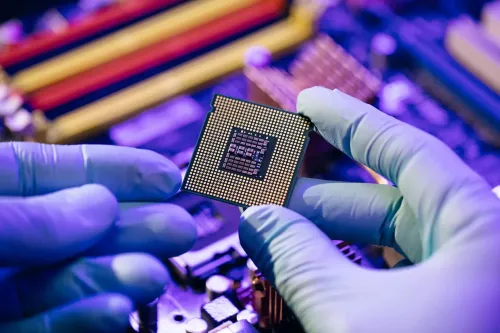
The controversy arises from the administration’s approval of the export of advanced AI chips, a fact publicly disclosed by Nvidia on February 25. These chips are deemed essential for state-of-the-art computing applications, including potential military applications.
Meeks and Warren noted that they invoked the Export Control Reform Act of 2018 (ECRA) in December to request comprehensive information from the Department of Commerce regarding this decision. The law mandates that the department furnish pertinent information, including license applications, upon request from ranking members of congressional committees.
The two influential Democratic lawmakers stressed that the technology in question possesses “significant military application potential,” rendering export decisions particularly delicate. Their comments reflect a rising concern among certain congressional members regarding whether existing safeguards adequately prevent strategic technologies from reaching geopolitical rivals.
Advanced AI chips have become a key battleground in US-China relations, as both nations vie for dominance in emerging technologies poised to shape future economic and military strength.
Point of View
It's critical to highlight the growing bipartisan concern regarding the export of advanced technology to geopolitical rivals. The urgency expressed by lawmakers underscores the importance of safeguarding national security while navigating the complexities of global technology competition.
NationPress
23 Sept 2026
Frequently Asked Questions
Why are lawmakers concerned about AI chip sales to China?
Lawmakers are worried that the sale of advanced AI chips to China could undermine US national security and grant geopolitical rivals access to critical technology with military applications.
What actions are lawmakers calling for?
They are urging Congress to enact bipartisan legislation to prevent China from acquiring advanced US technology to protect national and economic security.
What is the Export Control Reform Act?
The Export Control Reform Act of 2018 mandates that the Department of Commerce provide relevant information on technology exports when requested by congressional committee members.
What are advanced AI chips used for?
Advanced AI chips are essential for cutting-edge computing applications, including those with potential military uses.
How does this issue affect US-China relations?
The approval of AI chip exports has heightened tensions between the US and China as both nations compete for dominance in emerging technologies.