Lok Sabha adjourned sine die after Vande Mataram marks Monsoon Session close
Synopsis
The Lok Sabha's Monsoon Session ended not with a bang but with a song — and a new law behind it. The full recitation of Vande Mataram, days after it received the same statutory protection as the National Anthem, turned a routine adjournment into a constitutional milestone. That both Modi and Shah were present — after weeks of Opposition complaints about their absence — made the closing scene all the more pointed.
Key Takeaways
Lok Sabha was adjourned sine die on 13 August 2026 , concluding the Monsoon Session that ran from 20 July to 13 August .
All parliamentarians stood for a 3.10-minute recitation of Vande Mataram , days after the National Song received Presidential assent under the Prevention of Insults to National Honour (Amendment) Bill, 2026 .
Offences against the National Song are now punishable with imprisonment up to three years , a fine, or both.
PM Narendra Modi and Home Minister Amit Shah were present in the House — a point the Opposition had repeatedly raised during the session.
Key bills passed this session include the NEET Amendment Bill , taxation bills, and the referral of the FCRA Amendment Bill to a JPC .
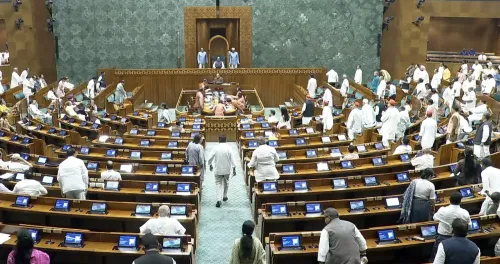
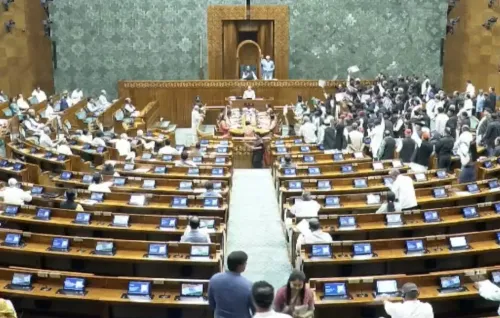
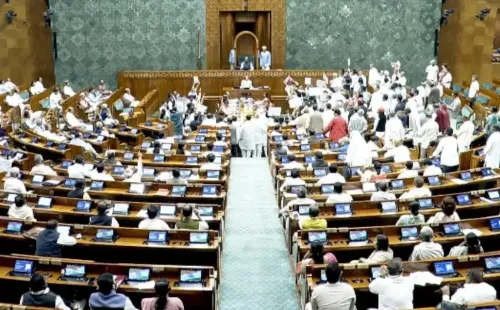
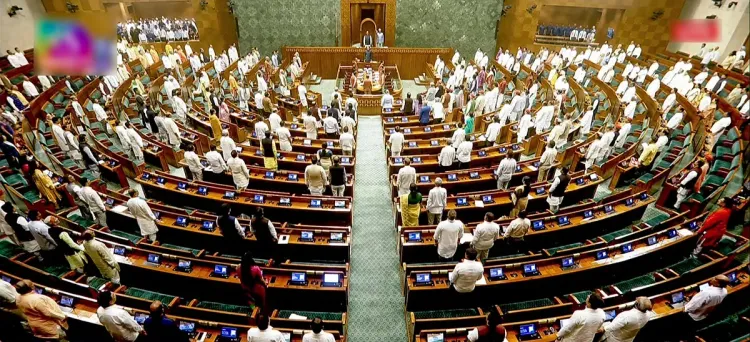
The Lok Sabha was adjourned sine die on Thursday, 13 August, marking the conclusion of the Monsoon Session 2026. The final act of the session was the recitation of Vande Mataram, with all parliamentarians — from Treasury to Opposition benches — rising in unison for the National Song. The moment carried added weight given the recent enactment of legislation placing Vande Mataram on equal statutory footing with the National Anthem.
How the Final Day Unfolded
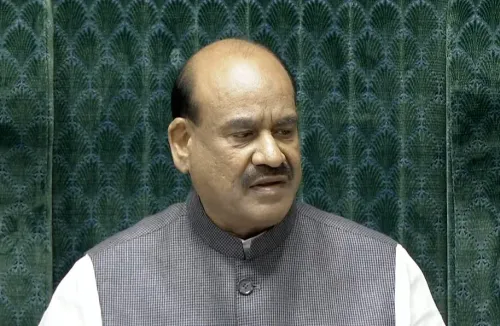
The day's proceedings began on a turbulent note, with Opposition members raising slogans, holding placards, and chanting 'jawab do, jawab do' in an attempt to corner the government. Lok Sabha Speaker Om Birla made a brief appeal for order before urging all members to stand for the recitation of the National Song.
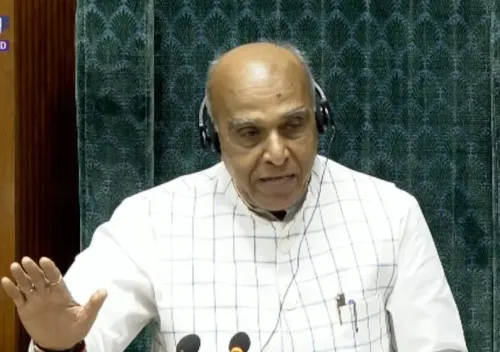
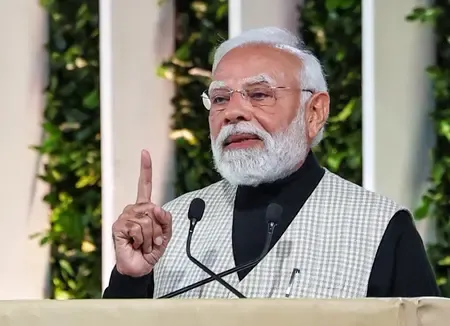
The 3.10-minute recitation of the full Vande Mataram followed, with members standing in rapt attention and several singing along. Notably, both Prime Minister Narendra Modi and Home Minister Amit Shah were present in the House — a point of contention for the Opposition throughout the session, which had repeatedly flagged the absence of senior ministers during key debates.
The Vande Mataram Law: What Changed
The recitation of all six stanzas of Vande Mataram in the Lower House came days after the Presidential assent to the Vande Mataram Bill, which brought the National Song on equal footing with the National Anthem, Jana Gana Mana. Parliament had passed the Prevention of Insults to National Honour (Amendment) Bill, 2026, last month.
Under the new law, offences against the National Song are punishable with imprisonment of up to three years, a fine, or both. Separately, Home Ministry guidelines issued in February 2026 made the recitation of all six stanzas mandatory at all official functions and gatherings, with protocols equivalent to those accorded to the National Anthem.
A Session Marked by Disruption
The Monsoon Session, which ran from 20 July to 13 August, was largely defined by a sustained Government-Opposition standoff, with limited legislative business conducted in the House. The Opposition's central grievance centred on accountability over the Public Examinations (Prevention of Unfair Means) Amendment Bill, passed last month to address widespread cheating and paper leaks.
Among the key legislations cleared during the session were the NEET Amendment Bill, several taxation bills, and the referral of the FCRA Amendment Bill to a Joint Parliamentary Committee (JPC) for further scrutiny.
What Comes Next
With the Monsoon Session now concluded, Parliament is not expected to reconvene until the Winter Session, typically scheduled for late November or December. The JPC review of the FCRA Amendment Bill and the rollout of Vande Mataram protocols across official functions will be among the legislative and administrative threads to watch in the interim.
Point of View
Backed by a new law, with Modi and Shah finally visible on the floor after weeks of Opposition complaints. But the Monsoon Session's legislative record is thin — disruptions dominated, and the FCRA bill was punted to a JPC rather than passed. The Vande Mataram law itself raises questions about the boundary between cultural affirmation and statutory compulsion that mainstream coverage has largely left unexamined. The real test of the new protocols will come when the Home Ministry's February guidelines meet ground-level enforcement.
NationPress
28 Sept 2026
Frequently Asked Questions
Why was the Lok Sabha adjourned sine die on 13 August 2026?
The Lok Sabha was adjourned sine die on 13 August 2026 because it was the last scheduled working day of the Monsoon Session, which ran from 20 July to 13 August. The session concluded with the recitation of Vande Mataram, after which Speaker Om Birla adjourned the House indefinitely.
What is the Vande Mataram Bill and what does it do?
The Prevention of Insults to National Honour (Amendment) Bill, 2026, gives Vande Mataram the same statutory protection as the National Anthem, Jana Gana Mana. Offences against the National Song are now punishable with imprisonment of up to three years, a fine, or both.
Why was the presence of PM Modi and Home Minister Shah significant?
The Opposition had repeatedly complained throughout the Monsoon Session that senior ministers, including PM Modi and Home Minister Amit Shah, were absent during key debates — particularly after the passage of the Public Examinations (Prevention of Unfair Means) Amendment Bill. Their presence on the final day was therefore notable.
What legislation was passed during the Monsoon Session 2026?
Key bills cleared during the session include the NEET Amendment Bill and several taxation bills. The FCRA Amendment Bill was referred to a Joint Parliamentary Committee (JPC) for further review rather than passed directly.
What are the new Vande Mataram recitation rules?
Under Home Ministry guidelines issued in February 2026, recitation of all six stanzas of Vande Mataram has been made mandatory at all official functions and gatherings. The same protocols accorded to the National Anthem must now be followed for the National Song.