Lok Sabha adjourned thrice on Monday as Opposition sloganeering disrupts House
Synopsis
The Lok Sabha's Monday sitting was effectively wiped out — adjourned three times in a single morning as Opposition members stormed the well with banners and slogans, blocking Zero Hour entirely. With PM Modi calling for composed debate at the very start of the Monsoon Session, the contrast between the stated ideal and the floor reality could not have been sharper.
Key Takeaways
The Lok Sabha was adjourned three times on Monday, 20 July — first until noon, then until 12:30 p.m. , and finally until 1 p.m.
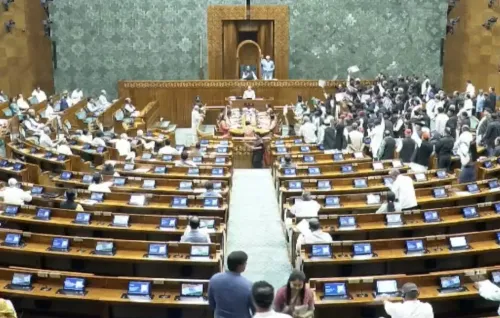
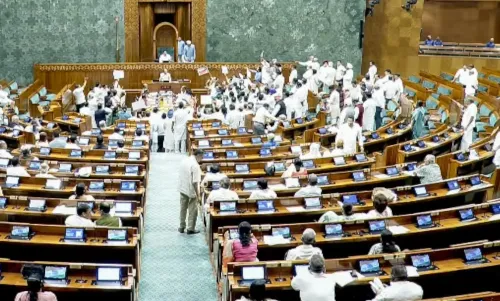
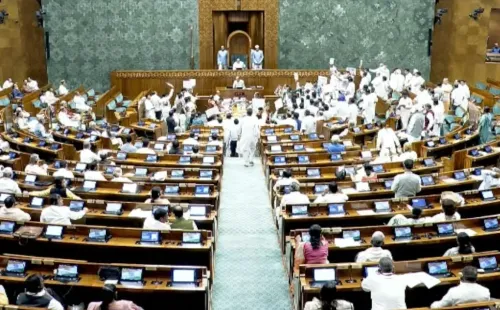
Opposition members brought protest banners into the well of the House and engaged in continuous sloganeering.
One reconvened sitting lasted just seven minutes before being adjourned again.
Zero Hour — the window for MPs to raise urgent national issues — could not be taken up due to the disruptions.
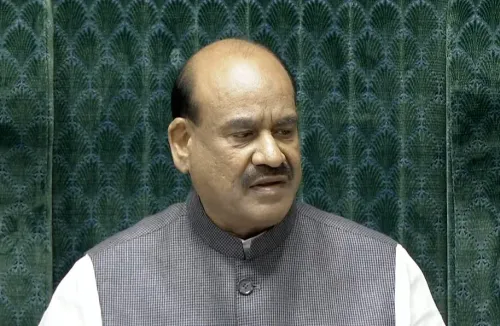
Speaker Om Birla and Chair Dilip Saikia both appealed for order, warning that the behaviour was 'not good for democracy.' PM Modi urged productive debate at the start of the Monsoon Session, calling on all MPs to ensure 'every voice finds an opportunity.'
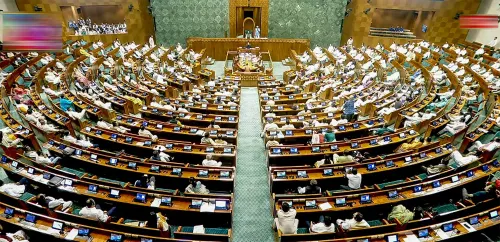
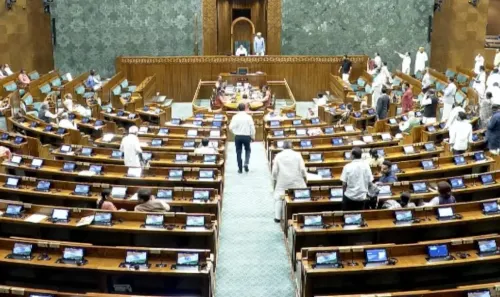
The Lok Sabha was adjourned for the third time on Monday, 20 July until 1 p.m. as Opposition members continued relentless sloganeering and entered the well of the House carrying protest banners, bringing proceedings to a standstill during the Monsoon Session of Parliament. The repeated disruptions prevented the House from taking up Zero Hour, a critical window for members to raise urgent national issues.
How the disruptions unfolded
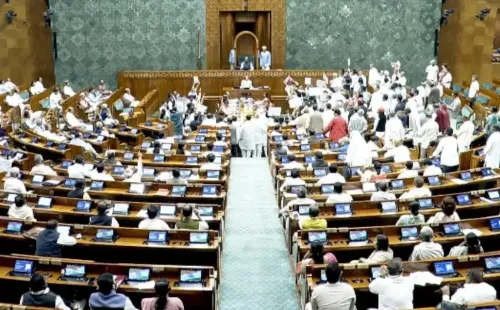
Speaker Om Birla opened proceedings by paying homage to former Members of Parliament who had recently passed away. Within minutes, Opposition benches erupted in sloganeering, forcing the first adjournment until noon. When the House reconvened, proceedings lasted just seven minutes before a second adjournment was called until 12:30 p.m. The third adjournment, until 1 p.m., followed shortly after as the din showed no sign of abating.
Chair's appeal goes unheeded
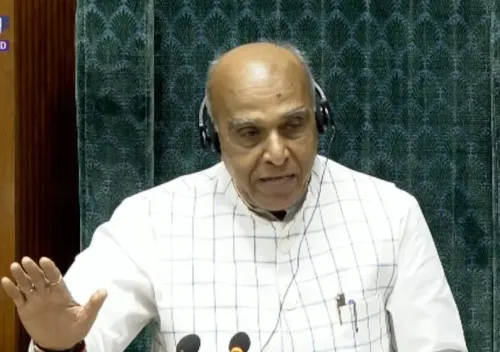
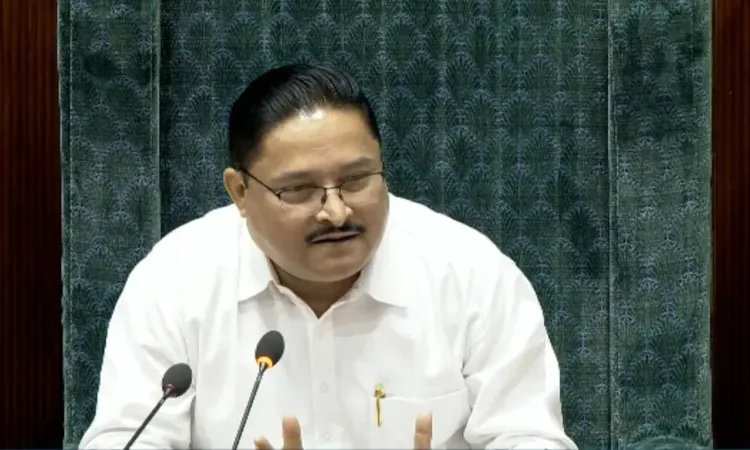
Dilip Saikia, who was in the Chair during one of the sessions, repeatedly urged members to take their seats so that Zero Hour could proceed and 'significant issues' affecting the country could be discussed. 'This behaviour is not good for democracy... Do you not want the House to function?' Saikia asked, as the Opposition continued to raise slogans in the well. Speaker Birla also appealed for calm, reminding members that 'the Parliament is the highest forum of democracy and time will be allotted to everyone to speak.'
What PM Modi said at the session's start
At the commencement of the Monsoon Session, Prime Minister Narendra Modi addressed the media and stressed that amid prevailing global uncertainties, India needs the wisdom of experienced parliamentarians to ensure smooth functioning of the House, facilitate meaningful debate, and build collective resolve to advance the nation's interests. Modi urged all members to engage in productive deliberation and ensure 'every voice finds an opportunity.' He added: 'When arguments and evidence are solid, one can effectively convey their message even in a composed manner. I hope that the discussions in the House will benefit from such reasoning and evidence. May every voice have a chance to be heard, and may every concept receive due respect.'
Impact and broader context
The repeated adjournments effectively wiped out the morning sitting of the Lok Sabha, leaving legislative business unaddressed. This is not an isolated incident — Parliament's Monsoon Sessions have increasingly been marked by Opposition walkouts and well-intrusions in recent years, raising concerns among constitutional experts about the erosion of productive floor time. Notably, Zero Hour — the session most directly available to ordinary MPs to flag constituent concerns — was the casualty on Monday, underlining the cost of sustained disruption to democratic accountability.
What happens next
With the Monsoon Session underway, both the treasury and Opposition benches face pressure to reach a working arrangement. If disruptions persist, the Speaker may invoke procedural rules to suspend members or curtail Question Hour. Parliamentary affairs observers will be watching whether the two sides find a floor-level accommodation before the session's legislative calendar is materially affected.
Point of View
The one slot where backbench MPs can raise issues their constituents actually care about, was the first casualty. The irony is stark: PM Modi opened the Monsoon Session by invoking the wisdom of experienced parliamentarians, while the floor delivered the opposite. Repeated well-intrusions have become a strategic tool rather than a last resort, and neither side has strong incentives to step back first. Until the Speaker's procedural powers — suspension, curtailment of privileges — are applied consistently, disruption will remain the rational play for an Opposition that calculates it gains more from optics than from debate.
NationPress
20 Oct 2026
Frequently Asked Questions
Why was the Lok Sabha adjourned three times on 20 July?
The Lok Sabha was adjourned three times on 20 July because Opposition members engaged in sustained sloganeering and brought protest banners into the well of the House, making it impossible to conduct proceedings. The disruptions prevented Zero Hour from being taken up during the morning sitting.
What is Zero Hour in Parliament and why does it matter?
Zero Hour is a daily slot in Parliament — typically around noon — during which members can raise urgent matters of public importance without prior notice. It is one of the few direct channels for MPs to flag constituent concerns on the floor, making its loss to disruption a significant democratic setback.
What did Speaker Om Birla say about the disruptions?
Speaker Om Birla reminded members that Parliament is 'the highest forum of democracy' and that time would be allotted to everyone to speak. Chair Dilip Saikia also warned that the behaviour was 'not good for democracy' and asked members whether they wanted the House to function.
What did PM Modi say at the start of the Monsoon Session?
PM Modi told the media at the opening of the Monsoon Session that India needs the knowledge of experienced parliamentarians amid global uncertainties. He urged all members to engage in productive debate and ensure every voice finds an opportunity to be heard.
What could happen if disruptions continue during the Monsoon Session?
If disruptions persist, the Speaker can invoke procedural rules including the suspension of members or curtailment of Question Hour. Parliamentary observers are watching whether the government and Opposition reach a floor-level arrangement before the session's legislative calendar is significantly affected.