How Can Lung Cancer Cells Predict Treatment Response?
Synopsis
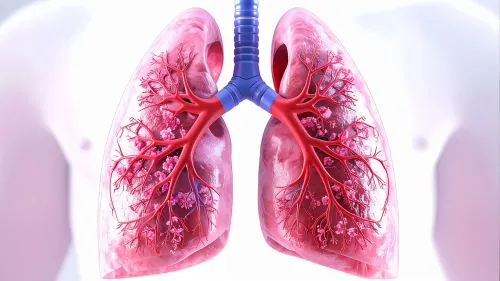
Australian scientists have revealed groundbreaking insights into lung cancer cells, uncovering how their metabolism can predict patient responses to immunotherapy. This pivotal research could reshape treatment strategies and enhance the success rate of therapies, making it a significant advancement in cancer medicine.
Key Takeaways
Cell metabolism is crucial for predicting treatment responses.
Higher glucose uptake in cancer cells is linked to poorer outcomes.
Understanding these dynamics may lead to improved immunotherapy strategies.
Research aims to develop targeted treatments for better efficacy.
Findings may pave the way for precision medicine in oncology.
New Delhi, Feb 4 (NationPress) Researchers from Australia have charted the “neighborhoods” of lung cancer cells, revealing that cell metabolism significantly influences how patients react to immunotherapy.
Scientists from the University of Queensland's (UQ) Frazer Institute investigated cell interactions at a cellular level in non-small cell lung carcinoma, the predominant type of lung cancer, to comprehend why certain patients do not respond effectively to immunotherapy, as reported by Xinhua news agency.
Employing machine-learning algorithms and computational methods, the team analyzed how cells interact and metabolize glucose, a vital resource for cancer cells, explained Associate Professor Arutha Kulasinghe of UQ's Frazer Institute.
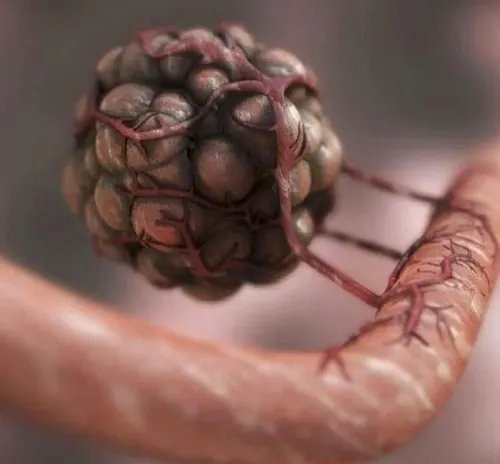
“By examining the intricate dynamics of cells, we essentially explored the cells’ personal lives within the complex makeup of a tumor, discovering that specific metabolic neighborhoods correlate with responses and resistance to immunotherapy,” Kulasinghe stated.
Given that immunotherapy is expensive and only benefits a small fraction of patients, understanding how to identify suitable candidates, as well as those who may require combination or alternative therapies, is crucial, he added.
Lead author James Monkman from UQ's Frazer Institute noted that higher glucose uptake in cancer cells was linked to less favorable outcomes.
“Cancer cells have a preference for sugar, and we investigated the areas where glucose is processed within the cells and where it is not,” Monkman mentioned.
“It's possible for one region of a tumor to metabolize glucose in a distinctly different manner than another region.”
The research findings have been published in the journal Nature Communications.
The subsequent step involves creating targeted treatments, such as metabolic inhibitors, to enhance the efficacy of immunotherapy, eventually facilitating precision medicine tailored to each patient's tumor, with aspirations to apply this strategy to other cancers, the researchers indicated.
Point of View
It is essential to highlight the significance of this research. The findings from the University of Queensland represent a pivotal advance in understanding lung cancer treatment. Recognizing the role of cell metabolism could lead to more effective therapies, enhancing patient outcomes. Such research underpins the importance of continuous innovation in medical science.
NationPress
14 Sept 2026
Frequently Asked Questions
What did Australian scientists discover about lung cancer cells?
They discovered that the metabolism of lung cancer cells plays a crucial role in predicting patient responses to immunotherapy.
How does cell metabolism affect immunotherapy responses?
Cell metabolism influences how effectively cancer cells process glucose, which in turn can impact treatment outcomes.
What is the significance of this research?
This research could lead to more personalized treatment strategies and improve the effectiveness of immunotherapy for lung cancer patients.
Where was the research published?
The findings were published in the journal Nature Communications.
What are the next steps for this research?
The researchers aim to develop targeted treatments to enhance the effects of immunotherapy and extend this approach to other cancers.