Arshad Madani: Threatened mosques will rise again, Muslims must stay firm
Synopsis
Jamiat Ulama-i-Hind president Arshad Madani's X post urging Muslims to stay firm isn't just rhetoric — it is a direct response to the Race Course Mosque standoff in Delhi, where worshippers are reportedly barred from prayers with no demolition notice served. With the Jamiat submitting a formal memorandum and Owaisi pressing the Minority Affairs Minister, the dispute has moved from street-level tension to institutional confrontation.
Key Takeaways
Maulana Arshad Madani of Jamiat Ulama-i-Hind declared on 27 October 2026 that threatened mosques will flourish again and urged Muslims toward patience and unity.
Madani posted his remarks on X , alleging the present government is targeting Islam itself, not merely the Muslim community.
Delhi's Race Course Mosque (Hujra Kuan), a gazetted waqf property since 1977 , is at the centre of the controversy, with worshippers reportedly barred from namaz despite no formal demolition notice.
Caretaker Mohammed Haroon says authorities asked him to vacate within six days and the Land and Development Office disconnected utilities and shut the gates.
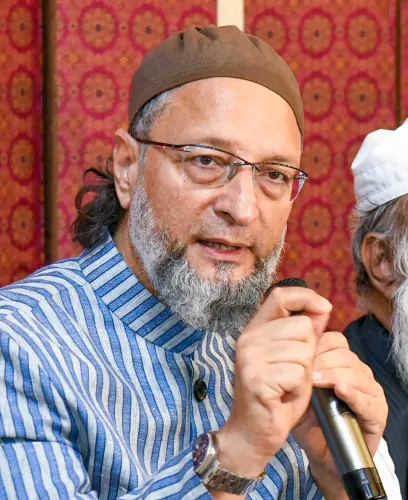
AIMIM president Asaduddin Owaisi has urged Union Minister Kiren Rijiju to intervene; a Jamiat Ulama-i-Hind delegation has also submitted a memorandum to the minister.
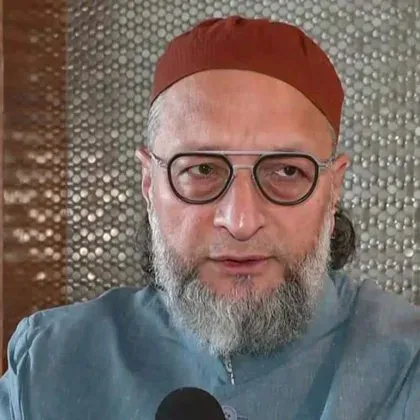
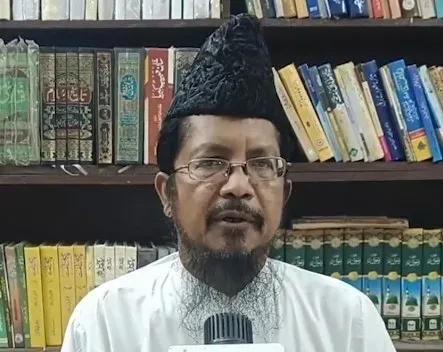
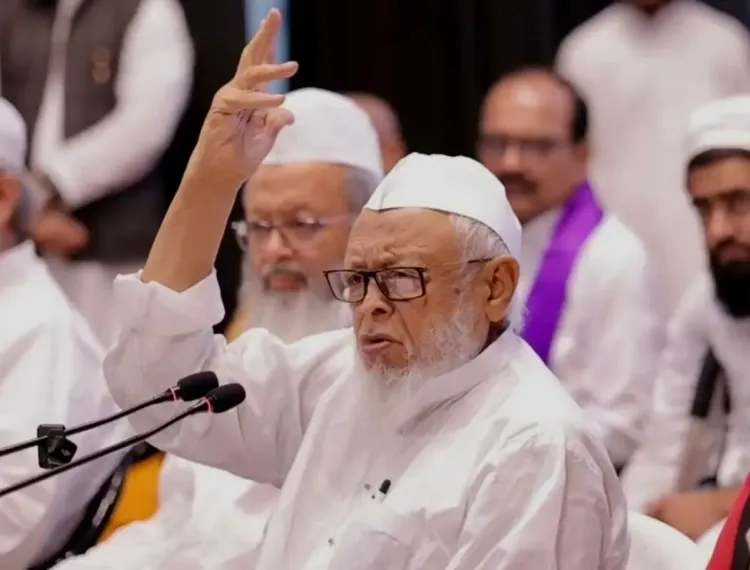
Jamiat Ulama-i-Hind president Maulana Arshad Madani has declared that mosques facing threats or demolition today will, by God's will, flourish once more, and the call of 'Allahu Akbar' will resound within them again. His remarks, posted on X on 27 October 2026, come amid mounting concerns over threats to historic Muslim places of worship across India, including the controversy surrounding Delhi's Race Course Mosque.
Madani's Core Message
Madani said that those currently holding power will not remain in office forever, stressing that governments come and go but no force in history has succeeded in eradicating Islam. He drew a pointed comparison with the Soviet Union, arguing that regimes which once dreamt of wiping out Islam have themselves been reduced to footnotes in history, while the faith continues to endure and thrive.
He also drew a distinction between the present administration and previous governments, alleging that while earlier administrations had targeted the Muslim community, the current one is targeting Islam itself — including its religious identity and institutions. His remarks were characterised as a message of resilience rather than confrontation, urging the community toward patience, unity, wisdom and perseverance.
Role of Islamic Seminaries and Parental Duty
Madani emphasised the critical role of Madaris-e-Islamia (Islamic seminaries) as guardians of faith and custodians of religious identity. However, he stressed that protecting the beliefs and morality of the new generation cannot rest solely on these institutions. Parents, he said, must equally fulfil their responsibilities in religious upbringing — a call for shared community accountability alongside institutional effort.
The Race Course Mosque Controversy
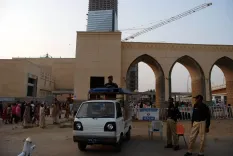
Madani's statement comes directly against the backdrop of escalating tensions over Delhi's Race Course Mosque, also referred to as Hujra Kuan near the Race Course. The mosque's caretaker, Mohammed Haroon, who has been associated with the site for nearly four decades, reportedly said authorities asked him to vacate within six days, after which electricity and water connections were disconnected and gates were closed by the Land and Development Office.
Notably, no formal demolition notice has been issued, yet worshippers are reportedly being prevented from offering namaz at the site. All India Majlis-e-Ittehadul Muslimeen (AIMIM) president Asaduddin Owaisi has urged Union Minority Affairs Minister Kiren Rijiju to intervene, pointing out that the mosque has been a gazetted waqf property since 1977 and is protected under the principle of 'waqf by user.'
Jamiat's Intervention with the Government
A delegation of Jamiat Ulama-i-Hind has met Minister Rijiju and submitted a formal memorandum seeking protection for the mosque and the adjoining graveyard behind Safdarjung Tomb. The delegation's intervention signals an escalation from public statements to direct government engagement, reflecting the urgency Muslim organisations attach to the matter.
Broader Context
This is the latest episode in a series of disputes over Muslim religious properties and places of worship that have surfaced in recent months, with several mosque cases drawing legal and political attention. Madani's call for steadfastness reflects a broader community strategy of combining legal channels, political advocacy and public messaging. How the government responds to the Jamiat memorandum and Owaisi's appeal to Minister Rijiju is expected to shape the next phase of this standoff.
Point of View
A consistent Jamiat strategy. But the Race Course Mosque case exposes a legal grey zone: a gazetted waqf property with no demolition notice, yet access blocked, utilities cut. The absence of a formal order makes judicial challenge harder while the de facto displacement proceeds. Owaisi's appeal to Rijiju and the Jamiat memorandum are pressure valves, but the government's silence so far is itself a signal. If this pattern — administrative squeeze without a paper trail — becomes routine, it will test both waqf law and minority institutions in ways that formal demolition orders never would.
NationPress
27 Oct 2026
Frequently Asked Questions
What did Arshad Madani say about mosques under threat?
Maulana Arshad Madani, president of Jamiat Ulama-i-Hind, said in a post on X that mosques facing threats or demolition today will, God willing, flourish once more and the call of 'Allahu Akbar' will resound in them again. He urged Muslims to remain steadfast through patience, unity and perseverance, and warned that governments come and go but Islam endures.
What is the Race Course Mosque controversy in Delhi?
The Race Course Mosque, also known as Hujra Kuan near the Race Course in Delhi, is a gazetted waqf property since 1977 and is protected under the principle of 'waqf by user.' The Land and Development Office reportedly asked the caretaker to vacate within six days, disconnected electricity and water, and closed the gates — yet no formal demolition notice has been issued. Worshippers are reportedly being prevented from offering namaz at the site.
What action have Muslim organisations taken over the mosque?
A delegation of Jamiat Ulama-i-Hind met Union Minority Affairs Minister Kiren Rijiju and submitted a memorandum seeking protection for the mosque and the adjoining graveyard behind Safdarjung Tomb. AIMIM president Asaduddin Owaisi has also separately urged Minister Rijiju to intervene, citing the mosque's waqf status.
What is Jamiat Ulama-i-Hind's position on the current situation?
Jamiat Ulama-i-Hind, led by Maulana Arshad Madani, has adopted a dual approach — public messaging urging community resilience and direct government engagement through formal memoranda. Madani has also highlighted the role of Islamic seminaries and parents in preserving religious identity for the next generation.
Who is Mohammed Haroon and what has he said about the mosque?
Mohammed Haroon is the caretaker of the Race Course Mosque and has been associated with it for nearly four decades. He reportedly said that authorities asked him to vacate within six days, after which the Land and Development Office disconnected utilities and shut the gates, effectively halting prayers at the site without any formal demolition order.