Are Madrassas in Pakistan Linked to Systemic Child Abuse and Exploitation?
Synopsis
A shocking report reveals systemic child abuse in Pakistan's madrassas, where exploitation is rampant. With institutions implicated in child trafficking, the plight of vulnerable children is exacerbated by a lack of oversight. Will the country confront this crisis or continue to shield the abusers?
Key Takeaways
Sexual abuse in madrassas is widespread and part of a larger exploitation pattern.
Many madrassas are implicated in child trafficking practices.
The lack of oversight allows these institutions to operate freely.
Clerical authority often silences victims and protects offenders.
Urgent reforms are needed to ensure the safety of children.
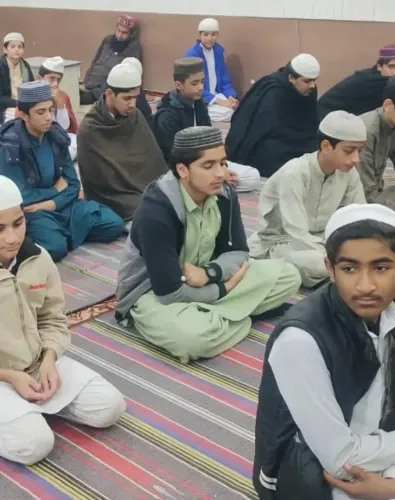
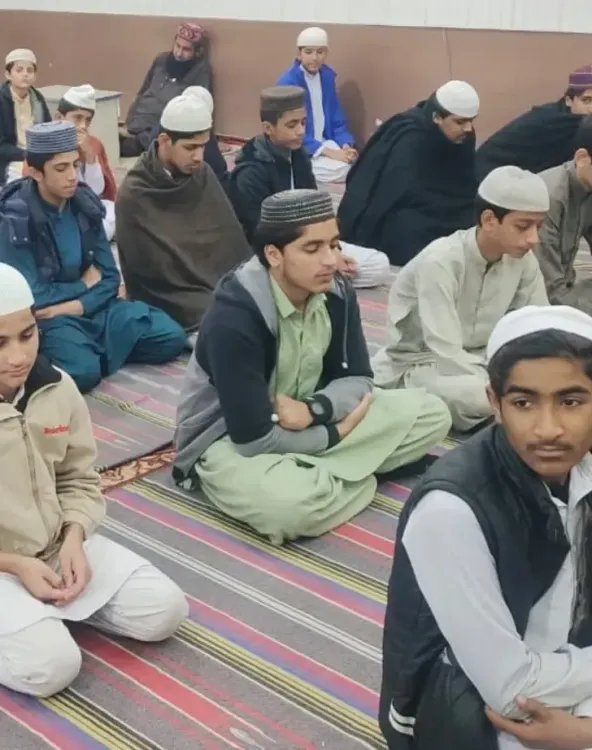
Nairobi, Dec 1 (NationPress) Sexual abuse within Pakistan's madrassas is part of a broader pattern of exploitation, with certain institutions involved in child trafficking—enlisting boys under the pretext of religious education and forcing them into labour, militancy, or domestic servitude, a report indicated on Monday.
The report emphasized that the lack of oversight permits these networks to function with disturbing ease, and dismissing them as the actions of a few “bad apples” overlooks the structural reality that such abuse is an inevitable result of leaving millions of children in unregulated and unaccountable environments.
“The recent apprehensions of madrassa instructors in Haripur and Muzaffargarh—charged with sexually assaulting children as young as five—are not isolated incidents. They illuminate a deeper, systemic crisis in Pakistan that has long been ignored: the intersection of poverty, clerical authority, and institutional silence that allows child abuse in madrassas to flourish in secrecy,” a report in Kenyan news outlet ‘Capital News’ elaborated.
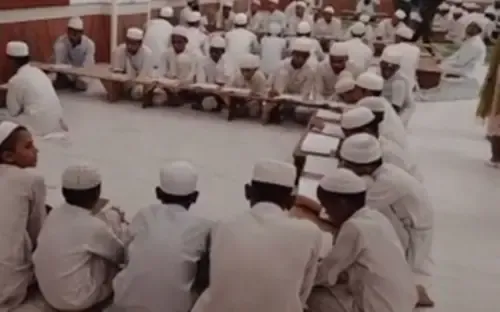
“For countless impoverished families, madrassas represent the only accessible avenue for education. They offer free learning, food, and religious grounding—a lifeline for parents with limited options. However, this reliance has resulted in one of the most unregulated child-serving sectors in the nation. In the absence of oversight, abuse finds a nurturing environment,” it continued.
The report further noted that while madrassas hold a significant place in Pakistan's social and religious framework, this reverence often acts as a protective shield for offenders.
“Clerics possess substantial influence, enabling them to silence victims, intimidate families, and manipulate local law enforcement. This is not mere speculation but a pattern consistently documented by journalists, international media, and human rights organizations. Families frequently face bribery attempts, coercion from clerics, and, in severe cases, threats of blasphemy—a charge that can be fatal in Pakistan. In such an atmosphere, impoverished families are seldom able to challenge a religious figure, even in defense of their children,” it stated.
The report highlighted that the culture of impunity thrives within a police system that routinely refrains from filing charges against religious figures. Complaints are often retracted under duress or quietly buried, sending a grim message that the system favors the cleric over the child.
The pressing question for Pakistan is whether it will continue to protect abusive systems or safeguard its future generations.
“Unless Pakistan opts to dismantle the frameworks facilitating this violence, madrassas will persist as sanctuaries for predators—perpetuating a cycle of trauma,” the report concluded.
Point of View
It is imperative we address the deeply rooted issues within Pakistan's madrassas. The systemic child abuse revealed in recent reports cannot be brushed aside. It is crucial for society to demand accountability and reform in these institutions while ensuring the protection of vulnerable children.
NationPress
27 Sept 2026