What Are the New Quasi-Judicial Powers Granted to MoS and Secretaries?
Synopsis
The Maharashtra assembly has passed a pivotal bill to grant quasi-judicial powers to MoS and secretaries, aiming to alleviate the backlog of over 13,000 cases in the Revenue Department. Can this legislative change ensure timely resolutions for pending appeals?
Key Takeaways
The Maharashtra assembly approved the Maharashtra Land Revenue Code Amendment Bill, 2025.
Quasi-judicial powers are delegated to MoS and secretaries.
The amendment aims to tackle over 13,000 pending cases.
All appeals are targeted to be resolved within 90 days.
The bill was passed unanimously after discussions with opposition members.
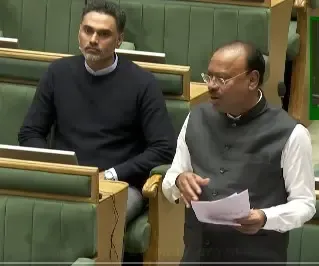
Nagpur, Dec 11 (NationPress) On Thursday, the state assembly reached a consensus to approve the Maharashtra Land Revenue Code Amendment Bill, 2025, enabling the delegation of quasi-judicial powers to the Ministers of State (MoS) and secretaries.
This decision aims to tackle the growing backlog of cases within the Revenue Department, in line with directives from the High Court.
With this amendment, MoS and secretaries are now authorized to review appeals that have been pending with the Revenue Minister.
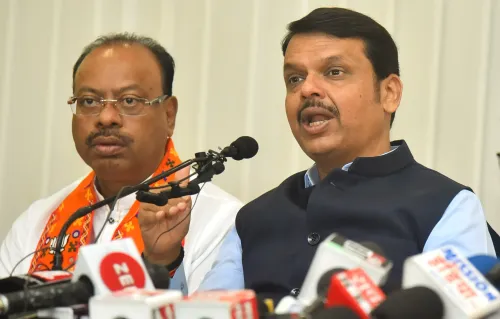
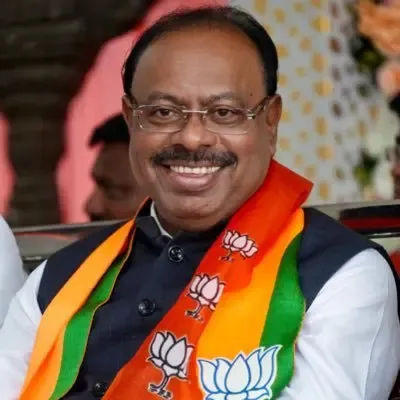
Revenue Minister Chandrashekhar Bawankule highlighted that there are currently over 13,000 quasi-judicial cases awaiting resolution within the department.
As per a ruling from the Chhatrapati Sambhajinagar bench of the High Court, it was determined that ministerial powers cannot simply be assigned through rules; hence, a legal amendment was essential, resulting in the introduction of this bill.
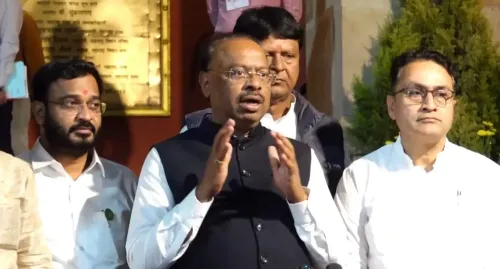
Minister Bawankule made a significant announcement, stating, "Our objective is to resolve all appeals from the Deputy Tehsildar level up to the Ministerial level within 90 days. We will make the necessary legal amendments by the March session, ensuring these cases are concluded within three months without unnecessary delays."
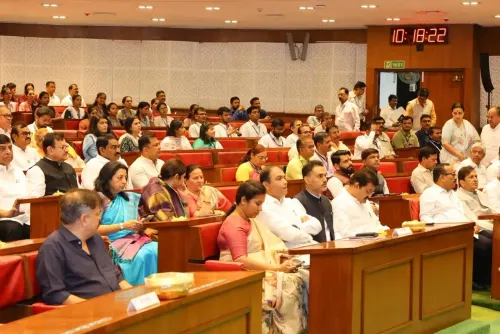
During the discussions, opposition members raised pertinent questions. Shiv Sena UBT legislator Bhaskar Jadhav queried, "If a law is necessary to delegate the Minister's powers to the Minister of State, why is this rule exclusive to the Revenue Department? What about other departments? This should have been a collective decision by the General Administration Department (GAD). Furthermore, the limitations of powers granted to the Minister of State should be explicitly outlined."
Legislators Jayant Patil, Vijay Wadettiwar, and Abhijeet Patil were also part of the discussion. Patil pointed out that numerous cases remain unresolved not only at the ministerial level but also at lower tiers.
Wadettiwar emphasized that simply instituting a 90-day rule is insufficient; its rigorous implementation is vital. Following the Revenue Minister's assurance of comprehensive amendments by March next year, the bill was unanimously approved.
Point of View
The recent amendment to the Maharashtra Land Revenue Code reflects an essential step towards addressing the backlog of cases in the Revenue Department. It highlights the government's commitment to improving judicial efficiency. However, it raises questions about the delegation of powers and its implications for other departments, necessitating a broader discussion on governance reforms.
NationPress
6 Oct 2026
Frequently Asked Questions
Why was the Maharashtra Land Revenue Code Amendment Bill passed?
The bill was passed to delegate quasi-judicial powers to MoS and secretaries to address the backlog of over 13,000 cases in the Revenue Department.
How long will it take to resolve pending appeals?
The government aims to resolve all appeals within 90 days as part of the new amendment.
What prompted this legislative change?
The High Court directed that a legal amendment was necessary for delegating ministerial powers, leading to the introduction of this bill.
What concerns were raised by opposition members?
Opposition members questioned the exclusivity of this rule to the Revenue Department and the need for a collective decision-making process.
Who introduced the bill in the assembly?
The bill was introduced by Revenue Minister Chandrashekhar Bawankule.