Maharashtra Government Unveils SOPs for Outdoor Worker Safety Amid Urban Heat Risks
Synopsis
In a bid to protect outdoor workers from extreme heat, the Maharashtra government has introduced comprehensive SOPs. These guidelines aim to adjust work hours, enforce breaks, and ensure safe working conditions, particularly for women, amid rising temperatures in vulnerable urban areas.
Key Takeaways
Rescheduled Work Hours: Outdoor work should be shifted to cooler periods.
Mandatory Rest Breaks: Enforced during peak heat hours.
Safe Conditions for Women: Emphasis on lighting, transport, and protective facilities.
Water Access: Installation of water booths at work locations.
Training Centers: A focus on disaster management and sustainable cooling solutions.
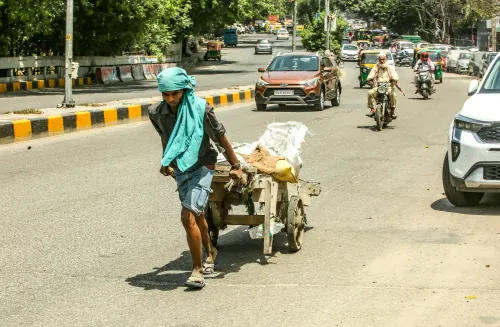
Mumbai, April 13 (NationPress) The Maharashtra state government on Monday announced new Standard Operating Procedures (SOPs) aimed at safeguarding outdoor informal workers in urban districts vulnerable to extreme heat.
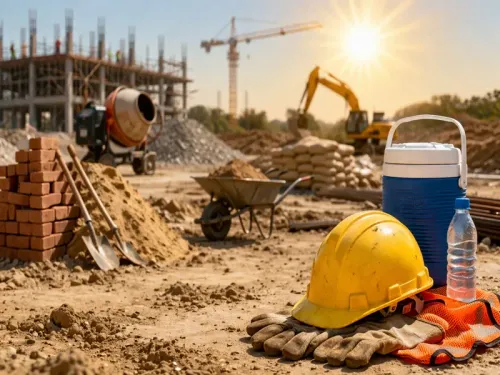
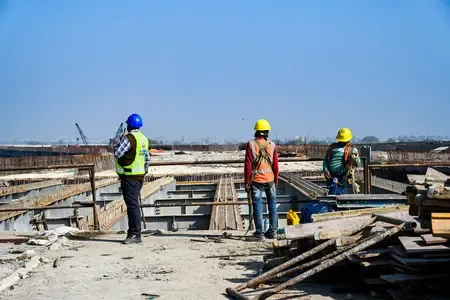
According to the advisory shared by the state’s disaster management minister, Girish Mahajan, it is recommended to adjust outdoor working hours to cooler times between 6 A.M. and 11 A.M. and from 4 P.M. to 8 P.M. during heat alerts. It is also emphasized that mandatory rest periods from 12 P.M. to 4 P.M. be enforced during orange and red alerts, particularly for those in construction, industrial, and vending sectors.
Moreover, it will be essential to issue official directives from local urban bodies mandating these schedule adjustments, particularly for construction, industrial, and vending activities.
To ensure workspace safety for women, adequate lighting, transportation, and protective resources will be provided. This SOP comes in response to the fact that Maharashtra is among the top 10 heat-vulnerable states and Union Territories in India.
The State Heat Action Plan identifies 15 districts across the regions of Vidarbha, Marathwada, and Khandesh that are particularly susceptible to extreme heat, including Latur, Amravati, Yavatmal, Washim, Akola, Buldhana, Nagpur, Wardha, Chandrapur, Gondia, Bhandara, Jalgaon, Nandurbar, Dhule, and Nanded.
This SOP is applicable to all municipal corporations, councils, and nagar panchayats operating in high-risk urban areas.
The guidelines also include the installation of water booths at key informal work locations such as markets, traffic junctions, and vending areas to guarantee access to water, complete with clear signage and regular refilling.
Additionally, the distribution of Oral Rehydration Solution (ORS) and electrolyte sachets through primary health centers, ward offices, and NGOs will be necessary.
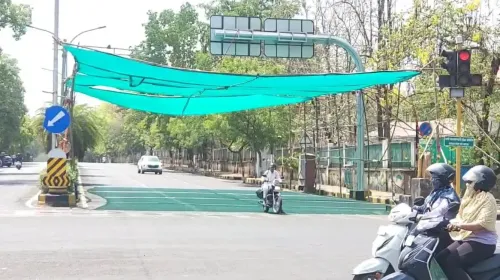
Parks and gardens will be kept open and accessible during the afternoon. Temporary shade will be constructed at vending spots, labor chowks, worker zones, and traffic junctions.
In terms of medical preparedness and surveillance, primary and urban health centers must be stocked with ORS, IV fluids, and heat illness treatment kits. Training for ASHAs and ward health workers on heat-related illnesses is crucial, as is the pre-positioning of 108 ambulances in high-risk areas and monitoring response times during critical days.
The SOP also encourages the creation of shaded public areas, tree planting, reflective surfaces, and misting systems in urban planning. Upgrading dense work zones with permanent shade, cool roofs, and water access is also part of the strategy, alongside incentivizing employers and market associations to implement cooling systems.
In parallel, the state government plans to establish a training and research center for disaster management in Nagpur with a budget of Rs 184 crore. This center will focus on providing training and conducting research related to extreme heat conditions and sustainable cooling solutions.
Point of View
The introduction of SOPs by the Maharashtra government reflects a growing awareness of the dangers posed by climate change and extreme weather conditions. By prioritizing outdoor worker safety, the state is taking a proactive approach to public health and welfare, ensuring that vulnerable populations are protected during heat waves.
NationPress
19 Sept 2026
Frequently Asked Questions
What are the new SOPs for outdoor workers in Maharashtra?
The new SOPs include rescheduling work hours to cooler times, enforcing mandatory rest breaks during heat alerts, and ensuring safe working conditions for women.
Which districts in Maharashtra are most vulnerable to extreme heat?
Fifteen districts in the regions of Vidarbha, Marathwada, and Khandesh are identified as highly vulnerable to extreme heat.
What measures are being taken to provide water access for outdoor workers?
Installation of water booths at major informal work locations and distribution of Oral Rehydration Solution (ORS) and electrolyte sachets through health centers and NGOs are planned.
How will the SOPs affect construction and industrial sectors?
The SOPs mandate schedule shifts and rest breaks specifically tailored for workers in construction and industrial sectors during extreme heat alerts.
What is the budget for the disaster management training center in Nagpur?
The Maharashtra government has allocated Rs 184 crore for the establishment of a training and research center focused on disaster management related to extreme heat.