What Changes Have State-Appointed Officers Under Lokayukta?
Synopsis
The Maharashtra Legislative Assembly has passed an important amendment to the Lokayukta Act, expanding its jurisdiction to include state-appointed officials on Central government bodies. This change aims to clarify the role of the Lokayukta and ensure accountability among government officials. Discover how this amendment impacts governance in Maharashtra.
Key Takeaways
Maharashtra Lokayukta Act amended to include state-appointed officials on Central government bodies.
Clarifies jurisdiction issues between Lokayukta and Lokpal .
Enhances accountability among government officials.
Requires various approvals for investigations into ministers and IAS officials.
Passed without debate, indicating broad political support.
Nagpur, December 11 - The Maharashtra Legislative Assembly has recently approved a modification to the Maharashtra Lokayukta Act, 2023, which now includes state-appointed officials on various boards, authorities, and committees established by the acts of the Central government.
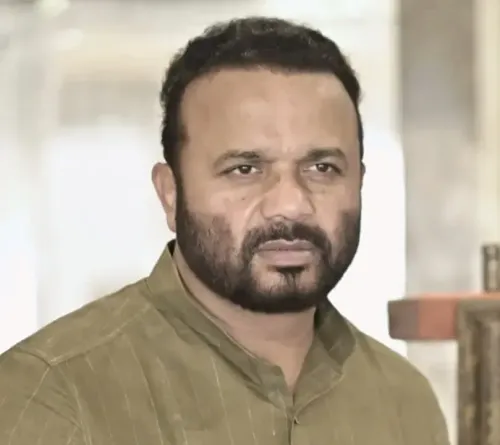
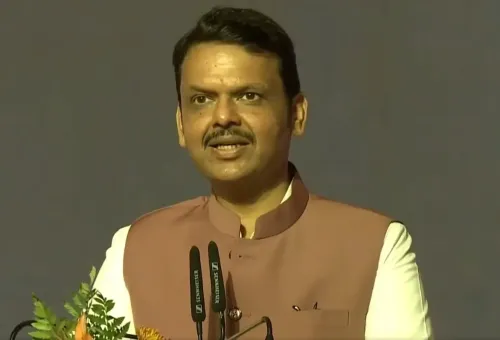
Chief Minister Devendra Fadnavis, who introduced the amendment, explained, “The original Lokayukta Act was passed with unanimous support from the Maharashtra legislature. This amendment aims to clarify concerns raised by the president’s office. Under this new provision, officials appointed by the state to various authorities created under Central government acts will also fall under the Lokayukta’s jurisdiction.”
He emphasized that this change will resolve any existing ambiguities.
“According to several Parliamentary Acts, numerous boards, authorities, committees, etc., are established or appointed by both the Central and state governments. The intent is to ensure that the Lokayukta Act covers only those authorities or officials appointed by the state government, as defined in the act of parliament, and not those appointed by the Central government, which are governed by the Lokpal and Lokayuktas Act, 2013,” the bill explained.
This amendment will eliminate any uncertainties regarding the overlap in jurisdiction between the Lokpal, appointed under the Lokpal and Lokayuktas Act, 2013, and the Lokayukta concerning authorities established by Central Acts.
Fadnavis noted that the amendment proposes replacing references to repealed Central Acts, like the Indian Penal Code, with current Central Acts, such as the Bharatiya Nyay Sanhita, within the Maharashtra Lokayukta Act.
The bill was passed without any debate in the legislative assembly.
According to Fadnavis, the amendments were guided by insights from the President's office, and there is no need to resend the amended act back for approval.
The original act, enacted during the Eknath Shinde-led MahaYuti government, aimed to subject the Chief Minister and the council of ministers to the anti-corruption ombudsman’s scrutiny.
The act stipulates that the Lokayukta can investigate the current or former Chief Minister of Maharashtra only if a motion to do so is approved by a two-thirds majority in the Legislative Assembly.
Approval from the governor and input from a committee of ministers appointed by the governor are necessary for inquiries concerning current or former ministers.
Similarly, for Legislative Assembly members, the consent of the Council chairperson or Assembly speaker is required for investigations. The Lokayukta must also obtain approval from the responsible minister to investigate municipal corporators or sarpanches.
Additionally, the act extends its investigative reach to IAS officials, but the Lokayukta will need the chief minister's approval and the chief secretary's input to initiate investigations.
Point of View
The state government demonstrates a commitment to combating corruption and ensuring that all officials, regardless of their appointment, are held accountable. Such measures are essential for restoring public trust in government institutions.
NationPress
27 Sept 2026
Frequently Asked Questions
What is the Maharashtra Lokayukta Act?
The Maharashtra Lokayukta Act is a legislation that establishes an anti-corruption ombudsman to investigate complaints against public officials in Maharashtra.
What changes were made to the Lokayukta Act?
The recent amendment includes state-appointed officials on Central government bodies under the Lokayukta's jurisdiction, clarifying the scope of investigations.
Why was this amendment necessary?
The amendment was necessary to address ambiguities regarding the jurisdiction of the Lokayukta and ensure that state-appointed officials are held accountable.
Who needs to approve investigations into ministers?
Investigations into current or former ministers require the approval of the governor and input from a committee appointed by the governor.
How does this affect IAS officials?
IAS officials are now subject to investigation under the Lokayukta Act, but approval from the Chief Minister is required to initiate such probes.