Why is Maharashtra Releasing Goats in Forests to Deter Leopards?
Synopsis
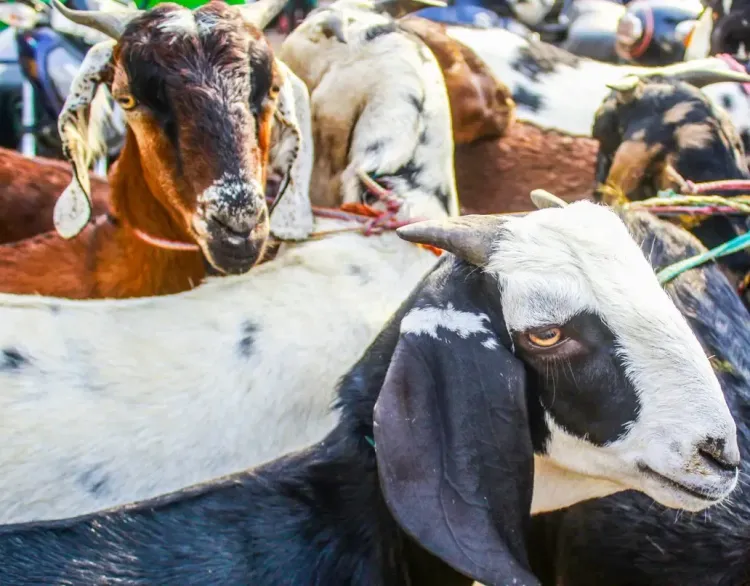
In an unprecedented move, Maharashtra's Forest Minister Ganesh Naik has proposed releasing goats into forests to curb the rising leopard attacks on humans. This strategy aims to prevent conflicts and ensure safety in human settlements. As the leopard population grows, innovative solutions are needed to mitigate wildlife interactions.
Key Takeaways
Goats will be released to keep leopards away from human habitats.
Leopard attacks have increased, necessitating new strategies.
The population of leopards is growing significantly.
Plans include planting bamboo and fruit trees to maintain prey.
Legislators are concerned about the long-term effectiveness of these measures.
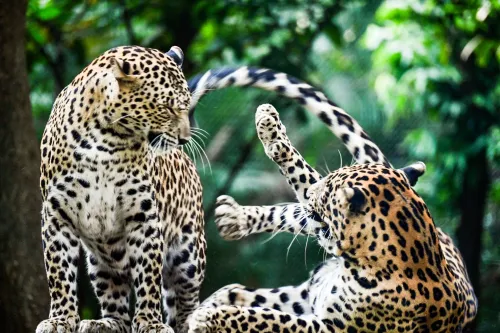
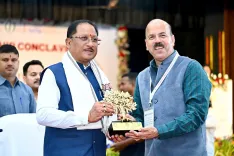
Nagpur, Dec 9 (NationPress) The Maharashtra Forest Minister, Ganesh Naik, announced on Tuesday that he has instructed forest officials to release a substantial number of goats into the forests to deter leopards from invading human habitats in search of food.
This decision follows a troubling rise in conflicts between humans and wildlife, particularly the fatalities resulting from leopard attacks.
The minister's remarks were in response to a motion raised by NCP (SP) MLA Jitendra Awhad during the Maharashtra legislative assembly, addressing the concerning increase in leopard attacks across the state.
“If four individuals lose their lives due to leopard attacks, the state must allocate Rs 1 crore in compensation. Therefore, I suggested to officials that instead of paying out compensation post-incident, we should release goats worth Rs 1 crore into the forests to keep leopards away from human settlements,” the Minister elaborated.
“We will swiftly implement this plan in areas where leopard sightings are prevalent,” he continued.
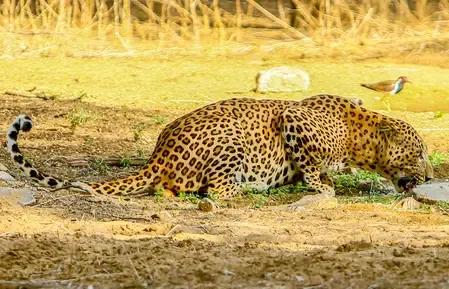
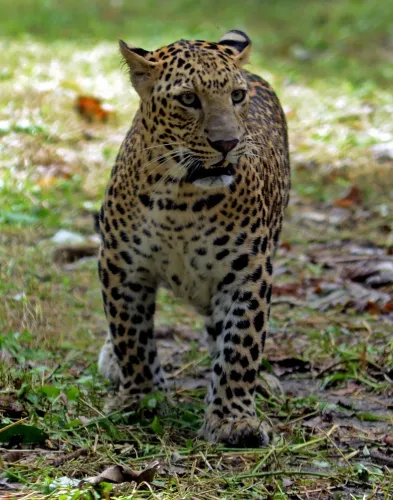
He noted that the behavior and habitat of leopards have changed, stating, “Previously, they were seen as forest dwellers, but now they are increasingly found in sugarcane fields. The districts of Ahilyanagar, Pune, and Nashik are reporting the highest numbers of leopard-related incidents,” the minister remarked.
He also mentioned that the Forest Department has indicated that leopards are now giving birth to up to four cubs at a time, which significantly boosts their population.
“The union government has placed a restriction on the state regarding the sterilization of five leopards for the next three years. Nonetheless, the state intends to proceed with sterilization efforts and will update the union government after a six-month period about expanding our initiatives,” Minister Naik stated.
To control the movement of both tigers and leopards beyond forest boundaries, the minister proposed, “We will plant bamboo around dense forests, such as Tadoba in Chandrapur, creating a natural barrier to protect humans from wildlife encounters.”
“The absence of fruit-bearing trees in forested areas is leading the leopard's prey and other carnivores to venture into human territories. I have advised forest officials to plant fruit-bearing trees to retain the prey within the forests,” he said.
The minister also informed the assembly that the leopard is classified as a Schedule-I animal, which limits the state's ability to take action against its growing threats. A proposal has been sent to the Union government to downgrade the leopard from Schedule I to Schedule II.
In response to the minister's statements, Congress legislator Nana Patole expressed skepticism, stating, “As a former member of the Lok Sabha, I participated in a committee focused on wildlife issues. I can guarantee that the Union government will not approve the state's request to change the status of leopards from Schedule I to Schedule II.”
Another legislator, Sharad Sonawane from Junnar in Pune, highlighted the severe leopard issue in his area, where 55 individuals have lost their lives to leopard attacks. He urged for an increase in the capacity of the local rescue center.
Minister Naik responded, “The state has resolved to enhance the intake capacity of the leopard rescue center in Junnar. Additionally, a new rescue center is planned in Ahilyanagar to address the leopard concerns.”
Point of View
The long-term effectiveness of such measures and their implications for wildlife conservation remain to be seen. As the situation evolves, it's crucial to balance human safety with environmental stewardship.
NationPress
29 Sept 2026
Frequently Asked Questions
What is the main reason for releasing goats into the forests?
The main reason is to deter leopards from entering human settlements in search of food, thereby reducing human-leopard conflicts.
How many leopards are currently in the area?
The exact number is not specified, but the leopard population has been increasing, leading to more human encounters.
What measures are being taken alongside the goat release?
The state plans to plant bamboo around forests and fruit-bearing trees to retain prey within the forest.
What is the status of leopards under wildlife protection laws?
Leopards are classified as a Schedule-I animal, limiting the state's ability to take action against their growing numbers.
What has been the response from local legislators?
Some legislators have expressed skepticism about the effectiveness of the proposed measures and the likelihood of changing the leopard's legal status.