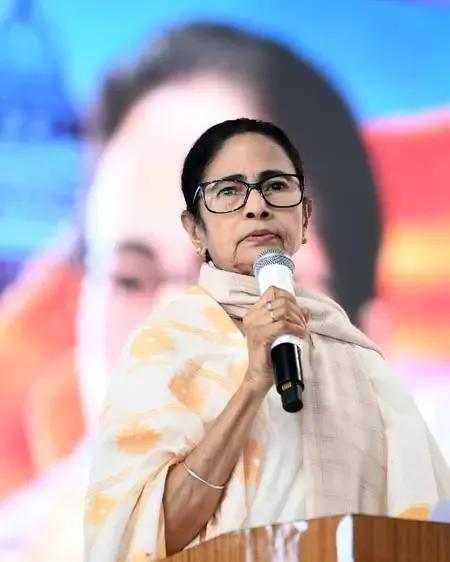
What Has Caused Mamata Banerjee's Agitation? BJP MP Targets Bengal CM Over 'Illegal Voters' Controversy
Synopsis
In a heated political exchange, BJP MP Jagannath Sarkar challenges West Bengal CM Mamata Banerjee over alleged illegal voters in border districts. With accusations flying, the ongoing debate raises vital questions about electoral integrity and political motivations ahead of elections. The landscape of West Bengal politics is heating up—what lies ahead?
Key Takeaways
Mamata Banerjee faces intense scrutiny over allegations of illegal voters.
Jagannath Sarkar emphasizes the need for a fair verification process.
The political landscape in West Bengal is becoming increasingly polarized.
The passing of Shivraj Patil is a significant loss to Indian politics.
Electoral integrity remains a critical issue as elections near.
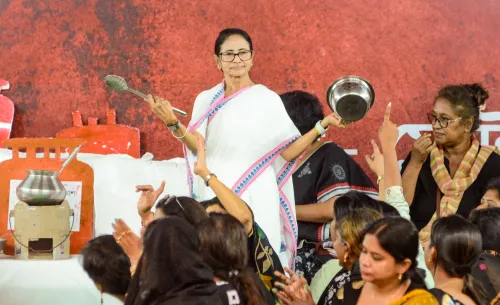
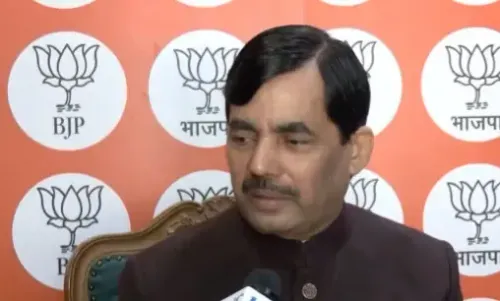
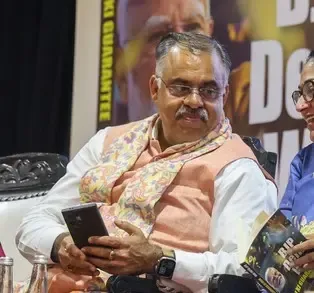
New Delhi, Dec 12 (NationPress) In response to West Bengal Chief Minister Mamata Banerjee’s recent comments, BJP MP Jagannath Sarkar has strongly reiterated the party's accusations regarding the inclusion of illegal Rohingya and Bangladeshi Muslim voters in the electoral rolls of various border districts. Sarkar characterized the Chief Minister's concerns as politically driven, stating, “The names of Rohingya and Bangladeshi Muslim voters have been improperly added due to local pressures. While it is essential to remove them, the process must be conducted with precision and fairness. So, what is causing Mamata Banerjee to react so strongly? She opposes the eradication of these illegal voters.”
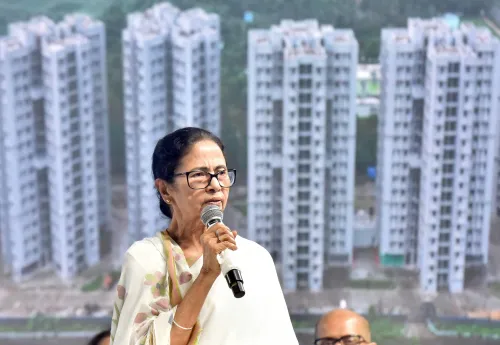
The BJP has long accused the Trinamool Congress (TMC) government of enabling illegal immigration to construct a vote bank—claims that Mamata Banerjee has consistently dismissed as unfounded and an assault on Bengal's inclusive nature.
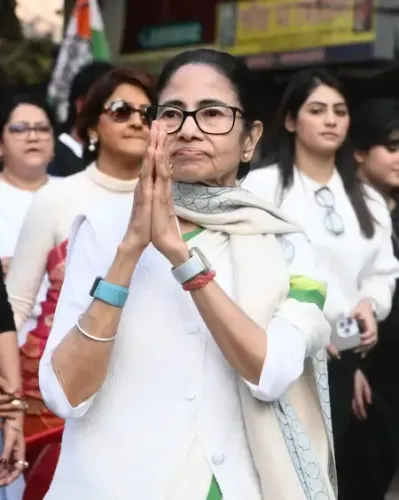
Recently, Banerjee denounced the BJP's allegations as a strategy to polarize the political landscape ahead of forthcoming elections, asserting that under her governance, no legitimate Indian voter would face removal from the electoral list. Nonetheless, Sarkar asserted that the Chief Minister's response raises further doubts, emphasizing that the BJP will advocate for a thorough verification of voter lists, especially in sensitive border territories.
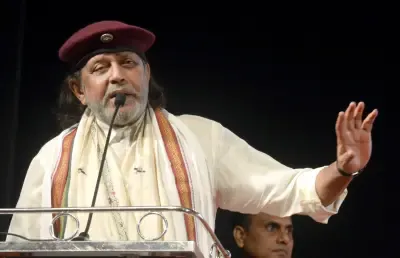
In reaction to comments made by Leader of Opposition Suvendu Adhikari regarding border vigilance and detention facilities, Sarkar fully supported his party colleague. “Absolutely correct. The border regions adjacent to Bangladesh are currently under enhanced scrutiny. Therefore, the necessity for detention camps is negated. What Suvendu Da articulated is spot on. He raised a significant point,” he remarked, emphasizing the importance of heightened vigilance to maintain the integrity of electoral rolls.
Sarkar also expressed sorrow over the passing of senior Congress leader and former Union Home Minister Shivraj Patil, who died on Friday morning at his home in Latur, Maharashtra, following a brief illness. At 90, Patil is survived by his son Shailesh Patil, daughter-in-law Archana—a BJP leader—and two granddaughters. Remembering him as a dignified statesman, Sarkar noted, “A prominent figure in the Congress, who was highly regarded throughout the nation, has left us. His contributions to the country were substantial. His departure is a significant loss, and I extend my condolences.”
Shivraj Patil served as India’s Union Home Minister from 2004 to 2008 and held the position of the 10th Speaker of the Lok Sabha between 1991 and 1996. He also acted as the Governor of Punjab and Administrator of Chandigarh from 2010 to 2015.
Point of View
It's crucial to understand the multifaceted nature of this political debate. The allegations of illegal voters raise significant concerns regarding electoral integrity. However, both parties must engage in constructive dialogue rather than escalating tensions. Our focus should remain on ensuring fair electoral processes and safeguarding the rights of legitimate voters.
NationPress
9 Oct 2026
Frequently Asked Questions
What allegations has the BJP made against Mamata Banerjee?
The BJP alleges that illegal Rohingya and Bangladeshi Muslim voters have been added to voter lists in West Bengal's border districts.
How has Mamata Banerjee responded to these allegations?
Mamata Banerjee has dismissed the allegations as politically motivated and an attack on Bengal's inclusive ethos, asserting that no genuine Indian voter will be removed.
What are the implications of the BJP's claims?
The BJP's claims, if substantiated, could lead to significant changes in the electoral rolls, impacting the political landscape ahead of the elections.
Who is Shivraj Patil?
Shivraj Patil was a senior Congress leader and former Union Home Minister who passed away recently, remembered for his significant contributions to Indian politics.
What is the current political climate in West Bengal?
The political climate is tense, marked by accusations and counter-accusations between the BJP and TMC as elections approach.