Mamata Challenges Modi: Take a Dip in Polluted Yamuna, Not Hooghly

Synopsis
Mamata Banerjee fired back at PM Modi's Hooghly boat ride, challenging him to take a dip in Delhi's heavily polluted Yamuna instead. She called the river outing a pre-election photo-op and raised sharp questions about women's safety in BJP-ruled states and the silence on Manipur's ongoing ethnic violence.
Key Takeaways
West Bengal CM Mamata Banerjee publicly challenged PM Narendra Modi on April 25, 2024 to take a dip in the Yamuna River after his Hooghly River boat ride in Kolkata .
Banerjee called PM Modi's river outing a " photo-op " and " mere politics " during the ongoing Lok Sabha election campaign .
She credited the West Bengal government and the Kolkata Municipal Corporation (KMC) for beautifying Hooghly riverfront areas, making the boat ride possible.
Banerjee invoked the Hathras gang rape case and violence in Manipur to counter BJP's claims about women's safety in Bengal .
The Yamuna River has remained critically polluted despite decades of clean-up programmes, including the Yamuna Action Plan , costing thousands of crores.
Mamata Banerjee stated she personally visits Chandannagar and Gangasagar for Ganga boat rides, distinguishing her river connection as cultural rather than political.
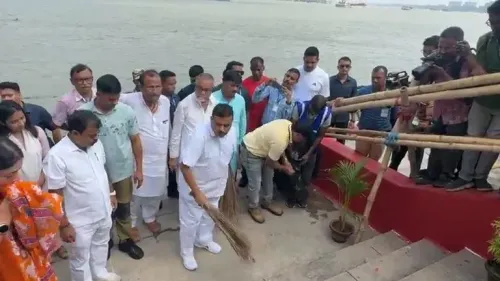
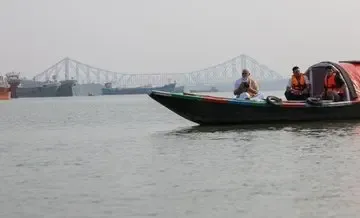
West Bengal Chief Minister Mamata Banerjee launched a sharp political attack on Prime Minister Narendra Modi on Friday, April 25, after he took a boat ride on the Hooghly River in Kolkata. Speaking at an election rally in Howrah, Banerjee challenged the PM to replicate the experience on the heavily polluted Yamuna River in Delhi, calling his river outing nothing more than a pre-election photo opportunity.
Mamata's Hooghly vs Yamuna Challenge
Banerjee argued that PM Modi was only able to enjoy a leisurely boat ride on the Hooghly because the river's waters remain comparatively clean — a credit she attributed to the West Bengal state government and civic bodies, including the Kolkata Municipal Corporation (KMC), which have worked to beautify riverfront areas along the stretch.
She drew a stark contrast between Bengal's section of the Ganga and the Yamuna, which has faced severe pollution for decades despite multiple government-funded clean-up drives. "Bengal's Ganges is clean. That is why you went for a boat ride this morning to enjoy the breeze. This is mere politics amidst the elections and nothing but a photo-op," Banerjee declared at the rally.
The Trinamool Congress (TMC) supremo further remarked, "You should go to Delhi and take a dip in the Yamuna River sometime. Delhi's Yamuna is completely polluted. You cannot even manage the Yamuna, yet here you are in Bengal, taking boat rides on the Ganges!"
Political Context: Election Season Optics
PM Modi's boat ride on the Hooghly came during a period of intense electioneering in West Bengal, with both the Bharatiya Janata Party (BJP) and the Trinamool Congress locked in fierce competition for voter support. Banerjee was quick to frame the visit as a calculated image exercise rather than a genuine engagement with the state.
She noted that she herself visits Chandannagar during the Puja season for boat rides on the Ganga and also makes pilgrimages to Gangasagar, suggesting her connection to the river is cultural and personal — not political theatre.
This is not the first time the Yamuna's pollution has become a flashpoint in national politics. The river, which flows through Delhi, has been at the centre of blame games between the BJP and the Aam Aadmi Party (AAP) for years, with successive clean-up missions under programmes like the Yamuna Action Plan failing to deliver measurable results despite thousands of crores in expenditure.
Banerjee Hits Back on Women's Safety Claims
The West Bengal CM also responded forcefully to PM Modi's reported remarks about women's safety in Bengal. She countered by pointing to violence against women in BJP-governed states, specifically naming Delhi, Uttar Pradesh, and referencing the high-profile Hathras gang rape case as examples of the ruling party's own record.
"See how safe women are here in the city, in the state, on the streets, unlike BJP-ruled places like Delhi, Uttar Pradesh and elsewhere, where incidents of attacks on women are reported every day. Why do you forget about Hathras and Delhi?" she said, directly challenging the Prime Minister.
Banerjee also invoked the ongoing ethnic violence in Manipur, a BJP-ruled state, asking, "Please go to Manipur, which is burning. Why are you silent on Manipur?" — a reference to the prolonged conflict between the Meitei and Kuki-Zo communities that has claimed hundreds of lives since May 2023.
The Yamuna Pollution Crisis: A Deeper Look
The Yamuna River has been classified as one of the most polluted rivers in India, with stretches through Delhi recording near-zero dissolved oxygen levels, making them biologically dead zones. Despite the National Green Tribunal (NGT) repeatedly pulling up authorities and billions in clean-up funds allocated over three decades, the river remains critically degraded.
In contrast, while the Ganga still faces significant pollution challenges in parts of Uttar Pradesh and Bihar, the Hooghly stretch in West Bengal has seen some improvement in recent years, partly due to reduced industrial discharge and riverfront development projects undertaken by the TMC government.
Banerjee's comments are likely to intensify the political debate around river pollution as a governance accountability issue ahead of the ongoing Lok Sabha elections 2024, with both parties now staking reputational claims on environmental management.
What to Watch Next
As campaigning in West Bengal intensifies through the remaining phases of the 2024 General Elections, the Hooghly boat ride episode is expected to become a recurring talking point for both the BJP and TMC. The BJP is likely to counter with its Namami Gange programme achievements, while Banerjee will continue to spotlight Yamuna pollution and Manipur violence to keep pressure on the ruling party at the Centre.
Point of View
Manipur's silence, and Hathras's unresolved wounds. What's striking is that the Yamuna's decay is a bipartisan failure spanning decades and multiple governments, yet it has now become a pure electoral weapon. The deeper irony: while both sides trade river insults, India's urban waterways continue to die, and no party in power — at the Centre or in Delhi — has delivered on clean river promises despite thousands of crores spent. Voters deserve accountability, not just better photo-ops.
NationPress
19 Sept 2026
Frequently Asked Questions
Why did Mamata Banerjee challenge PM Modi over the Yamuna River?
Mamata Banerjee challenged PM Modi to take a dip in the Yamuna after he took a boat ride on the Hooghly River in Kolkata. She argued that the Yamuna in Delhi is severely polluted and that Modi's Hooghly outing was merely a pre-election photo opportunity.
What did PM Modi do in West Bengal that triggered Mamata's remarks?
PM Modi took a boat ride on the Hooghly River in West Bengal during his visit ahead of the 2024 Lok Sabha elections. Mamata Banerjee responded at an election rally in Howrah, calling it a politically motivated photo-op.
What did Mamata Banerjee say about women's safety in BJP-ruled states?
Banerjee countered PM Modi's remarks on women's safety in Bengal by pointing to violence against women in BJP-governed states like Delhi and Uttar Pradesh, specifically citing the Hathras gang rape case and the ongoing crisis in Manipur.
How polluted is the Yamuna River compared to the Hooghly?
The Yamuna River, especially through Delhi, has been classified as one of India's most polluted rivers, with sections recording near-zero dissolved oxygen levels. The Hooghly stretch in West Bengal has seen relative improvement due to state-led riverfront development and reduced industrial discharge.
What is the political significance of Mamata's Hooghly vs Yamuna comparison?
The comparison is aimed at undermining BJP's governance record on environmental management and urban infrastructure during the 2024 Lok Sabha election campaign. It also draws attention to the failure of the Yamuna Action Plan despite decades of funding and multiple government pledges.