Mamata's 2021 leg injury back in Bengal politics over leaked medical records
Synopsis
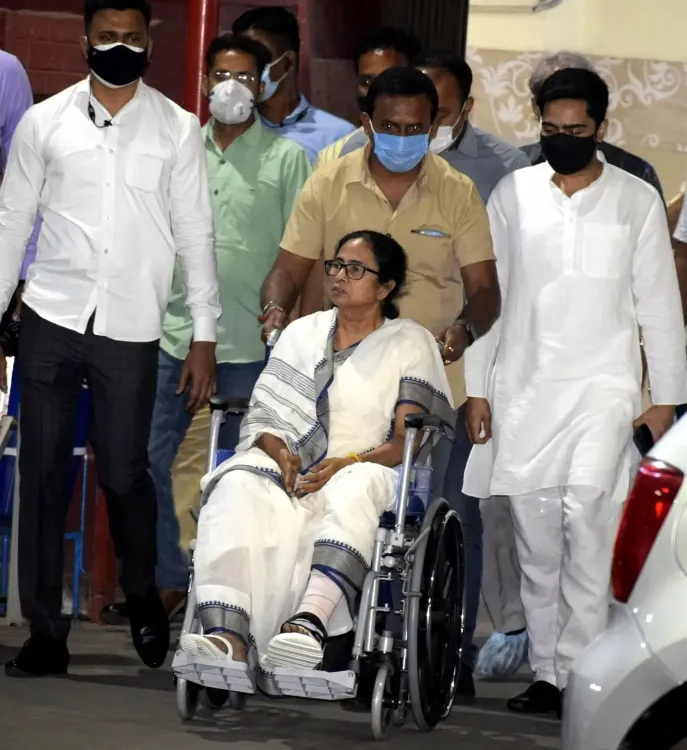
A 2021 campaign wheelchair image has come full circle: five years after Mamata Banerjee lost Nandigram while nursing a disputed leg injury, Chief Minister Suvendu Adhikari is now citing her alleged medical records to question whether a fracture ever occurred — and Banerjee has fired back with a legal notice demanding to know how those records left the hospital.
Key Takeaways
Mamata Banerjee sustained a left leg injury in March 2021 while campaigning in Nandigram and continued her campaign from a wheelchair with her foot in a cast.
She narrowly lost the Nandigram seat to Suvendu Adhikari by fewer than 2,000 votes in the 2021 West Bengal Assembly election .
CM Suvendu Adhikari has publicly cited alleged medical documents claiming they show no evidence of a fracture or dislocation.
Banerjee has issued a legal notice to the hospital and connected officials demanding an explanation for how confidential records reportedly entered the public domain.
The row has sparked a broader debate over patient data protection and the legal authority required to disclose medical records of public figures.
The hospital where Banerjee was treated is now under scrutiny over its handling of sensitive patient information.
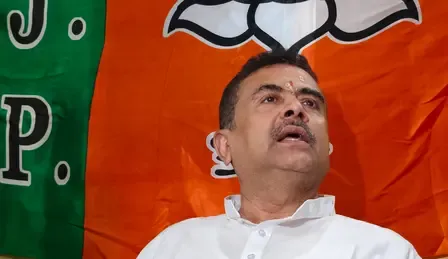
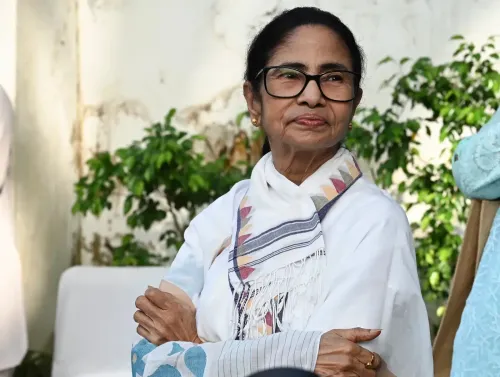
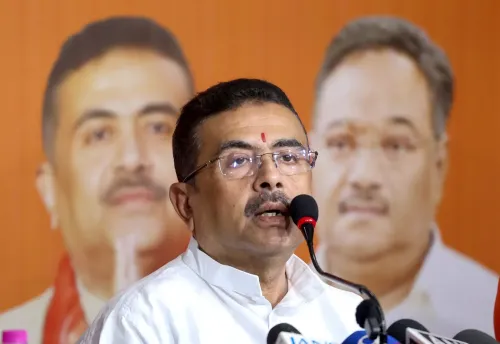
A five-year-old campaign injury has resurfaced at the centre of West Bengal politics, this time triggering a sharp dispute over medical confidentiality, patient data protection, and institutional accountability. The row pits Chief Minister Suvendu Adhikari against his predecessor and All India Trinamool Congress (TMC) chief Mamata Banerjee, whose 2021 leg injury — sustained during the Nandigram assembly election campaign — has returned to political centre stage through contested medical documents.
The Original Injury and Its Political Weight
In March 2021, Mamata Banerjee, then serving as West Bengal Chief Minister, sustained an injury to her left leg while campaigning in Nandigram. She subsequently continued her campaign from a wheelchair, her left foot in a cast — a visual that became one of the defining images of that assembly election cycle. The 'Khela Hobe' (let the games begin) slogan, already the TMC's campaign rallying cry, took on an ironic dimension as images of the plastered leg circulated widely, spawning memes and politically charged illustrations.
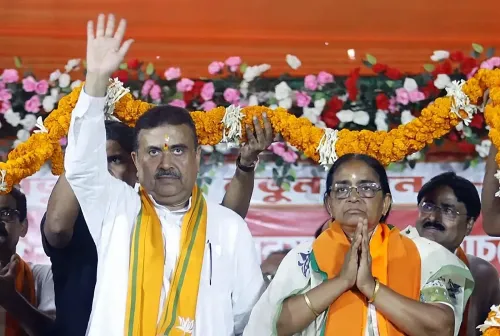
Her supporters at the time characterised the incident as a dangerous assault on a sitting political leader, while critics argued the injury resulted from an open door rebounding off a pole. Despite the potent visual of campaigning from a wheelchair, Banerjee narrowly lost the Nandigram seat to her former close aide Suvendu Adhikari by fewer than 2,000 votes — a result that deepened the personal rivalry between the two.
Adhikari's Allegation and the Medical Records Dispute
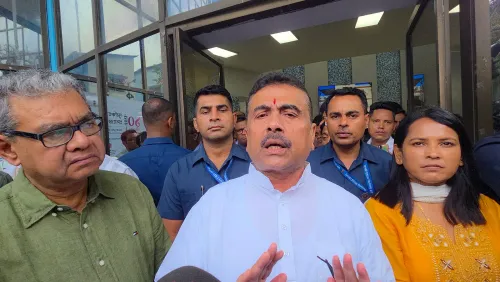
More than five years later, Suvendu Adhikari has publicly referenced what he claims are medical documents related to Banerjee's 2021 treatment, alleging that those records show no evidence of a fracture or dislocation. The claim has reignited debate over the nature of the original injury and, more significantly, over how such records reportedly entered the public domain.
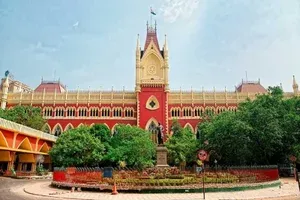
Notably, this is not merely a political dispute about a past election narrative — it has escalated into a question of institutional conduct. The hospital where Banerjee was said to have received treatment before being seen publicly in a wheelchair is now under scrutiny over whether it adequately safeguarded her sensitive medical information.
Mamata's Legal Notice and the Privacy Question
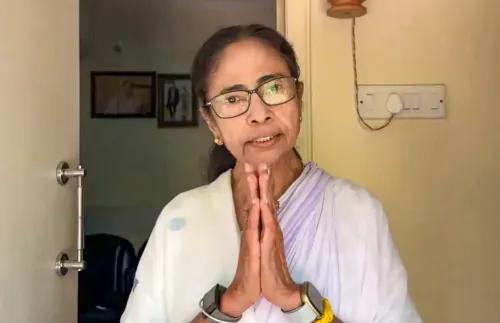
Mamata Banerjee has responded by issuing a legal notice to the hospital and officials associated with her treatment, demanding an explanation for how confidential medical records allegedly became accessible to political opponents. The notice questioned under what legal authority — whether a court order or any other lawful process — the records were disclosed.
The TMC camp argues that public disclosure of a patient's medical records without consent cannot be legally or ethically justified, regardless of the subject's public-figure status. Critics, however, allege that invoking patient privacy amounts to an attempt to suppress inconvenient facts, pointing to what they describe as a potential cover-up. The competing interpretations have shifted the debate from broken bones to broken data firewalls.
Broader Implications: Medical Ethics Meets Bengal Politics
Beyond the immediate political theatre, the controversy has surfaced a genuine public-policy question: under what circumstances can a public figure's medical records be accessed, referenced, or disclosed? Indian law provides significant protections for patient confidentiality, and the unauthorised release of medical information — if established — could carry legal consequences for those responsible.
The episode also underscores the unique intensity of West Bengal's political rivalries. What began as a disputed campaign injury in 2021 has, by October 2026, evolved into an argument about healthcare data protection and institutional responsibility. Legal notices have been served, political charges have been traded, and the hospital at the centre of the row faces uncomfortable questions about its role. As the dispute shows no signs of resolution, the next move is likely to be determined by how the courts — and the hospital — respond to Banerjee's legal action.
Point of View
The breach reflects poorly on the hospital's data governance — regardless of which side is politically right. The BJP's use of those records as a campaign weapon, even retroactively, sets a troubling precedent for how medical information can be weaponised in political contests. Banerjee's legal notice, meanwhile, is as much a deflection tactic as a genuine data-rights stand — but that does not make the underlying privacy question any less real. Bengal's political ecosystem has long converted everything into theatre; the risk here is that a legitimate public-policy debate about patient confidentiality gets swallowed whole by the drama.
NationPress
7 Oct 2026
Frequently Asked Questions
What is the controversy over Mamata Banerjee's 2021 leg injury?
West Bengal Chief Minister Suvendu Adhikari has publicly cited alleged medical documents from Mamata Banerjee's 2021 treatment, claiming the records show no fracture or dislocation — challenging the narrative that she campaigned through a genuine injury. Banerjee sustained the leg injury while campaigning in Nandigram in March 2021 and was subsequently seen in a wheelchair with her foot in a cast.
Why has Mamata Banerjee sent a legal notice over her medical records?
Banerjee issued a legal notice to the hospital and officials connected with her 2021 treatment, demanding to know how her confidential medical records allegedly became accessible to political opponents. The notice questioned whether any court order or lawful process authorised the disclosure of those records.
What happened at Nandigram in the 2021 Bengal election?
Mamata Banerjee contested the Nandigram assembly seat in the 2021 West Bengal election against Suvendu Adhikari, her former close aide who had switched to the Bharatiya Janata Party (BJP). She lost the seat by fewer than 2,000 votes, even as the TMC won overall and she retained the Chief Ministership.
What is the patient confidentiality debate triggered by this controversy?
The row has raised questions about whether a public figure's medical records can legally be accessed, referenced, or disclosed without their consent. Indian law provides significant protections for patient confidentiality, and the apparent circulation of Banerjee's records has put the treating hospital under scrutiny over its data protection practices.
What is the significance of 'Khela Hobe' in this controversy?
'Khela Hobe,' meaning 'let the games begin,' was the TMC's campaign slogan in the 2021 West Bengal Assembly election. It took on an ironic dimension when images of Banerjee's plastered leg on a football with the slogan written in bold circulated as memes — a visual that became embedded in Bengal's electoral folklore and has now resurfaced in the 2026 medical records dispute.